How Dirty Is Too Dirty? Dirty vs Extra Dirty vs Filthy Martinis
Approx. 7 min read

Dirty vs extra dirty vs filthy Martini: the quick answer
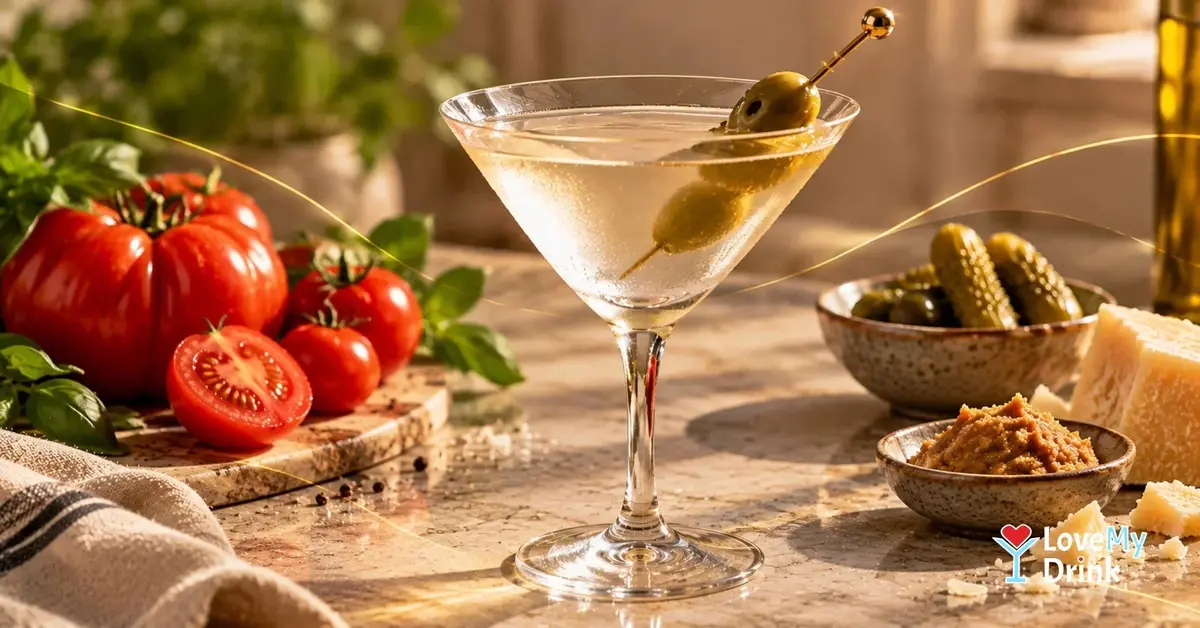
All three are Martinis with olive brine. The difference is how much brine you add, and how much of the finished drink tastes of olives rather than gin, vodka and vermouth.
- Dirty: Start with 7.5 ml (0.25 oz) olive brine. Savoury, with the Martini still firmly in charge.
- Extra dirty: Try 15 ml (0.5 oz). The olive flavour moves to the front without completely covering the spirit.
- Filthy: Try 30 ml (1 oz). Boldly salty, briny and unapologetically olive-forward.
Think of this as the Love My Drink Brine Dial: three repeatable starting points. Begin gently and turn up the olive flavour next time if you want more.
Is there an official Dirty Martini scale?
No. One bartender's extra dirty can be another's filthy, and olive brines vary in saltiness and acidity. An exact pour tells you more than the label alone.
And one more distinction matters: dry and dirty are not opposites. Dry describes how little vermouth you use; dirty means you've added olive brine. You can order a dry, extra dirty Martini if that is what you enjoy.
The Love My Drink Dirty Martini Brine Dial
Use the same 4:1 Martini base each time and change only the olive brine. That way, you can taste the difference. Make one version at a time, or prepare smaller tasting portions if you want to compare all three.
Base recipe: one Martini
- 60 ml (2 oz) gin or vodka
- 15 ml (0.5 oz) dry vermouth
- Olive brine: choose 7.5 ml (0.25 oz), 15 ml (0.5 oz) or 30 ml (1 oz) from the dial below
- Plenty of fresh ice
- 2–3 green olives, to garnish
Prep time: About 3 minutes. Tools: Jigger, mixing glass or sturdy glass, spoon and strainer. Serve: One chilled Martini or coupe glass, with no ice in the finished drink.
How to make it
- Chill your serving glass while you prepare the drink.
- Measure the gin or vodka and dry vermouth into a mixing glass. Add one chosen amount of olive brine.
- Fill with fresh ice and stir for about 20–30 seconds, until properly cold.
- Strain into the chilled glass, garnish with olives and taste before deciding whether the next one needs more or less brine.
Stirring gives you a consistent starting point for this comparison. Prefer a shaken Dirty Martini? Shake it, but remember that shaking can make it appear cloudier and change the texture. Keep the method the same whenever you compare brine amounts.
Dirty: 7.5 ml (0.25 oz) brine
A gentle introduction: the first sip still tastes like a Martini, followed by a salty olive finish. Start here if you enjoy the classic but want a savoury edge.
Extra dirty: 15 ml (0.5 oz) brine
Now the olive flavour has a proper speaking part. You still notice the spirit, but each sip is saltier and distinctly dirty. A good middle setting for olive lovers.
Filthy: 30 ml (1 oz) brine
For the person who looks at an olive jar and thinks, yes, more of that. Brine becomes a major ingredient: the drink tastes much saltier, and the spirit takes a back seat.
Affiliate disclosure: Some product links in this guide are affiliate links. As an Amazon Associate, we earn from qualifying purchases.
If filthy is your regular order, a consistent bottled brine makes the result easier to repeat. One option to explore is FILTHY olive brine (affiliate link). Taste any new brine first: 30 ml (1 oz) of one brand can be much saltier than another.
How dirty is too dirty?
Too dirty is when the olive brine stops adding flavour and starts hiding everything else. That point depends on your palate and the brine in your glass.
- All salt, no Martini? Reduce the brine next time, rather than adding more olives to the glass.
- Watery or flat? Check how long you stir and whether the brine is weak. Extra liquid changes the balance as well as the salt level.
- No gin or vodka character left? Move down one setting on the dial.
- Too sharp or vinegary? Try a different olive brine instead of automatically using less vermouth.
Love My Drink tip: Write down the spirit, vermouth and brine amounts when you hit your favourite combination. Numbers are easier to repeat than the words 'extra dirty'.
Gin or vodka for a Dirty Martini?
Vodka gives the brine a relatively clean canvas, so the olive flavour can be especially clear. It is a lovely place to start if you want to focus on the difference between dirty and filthy.
Gin brings botanical aroma and character. Juniper and herbal notes can be delicious against the olives, but very generous brine may cover the qualities you bought that gin for in the first place.
Neither is the correct answer for everyone. If you want to choose your base first, our Classic Martini guide compares gin, vodka and the 2:1, 4:1 and 6:1 vermouth ratios.
Better brine, olives and tools
Fresh ice, a chilled glass and a way to measure 7.5 ml (0.25 oz) accurately matter more than fancy equipment. A marked jigger or measuring cup both work.
For the garnish, choose firm green olives you enjoy eating. DIVINA olives (affiliate link) are one option to explore. Two or three on a pick are plenty.
Using brine from your olive jar? Taste it first. Strongly flavoured marinades can make the Martini taste garlicky or herbal rather than simply savoury.
How to order the Martini you actually want
A concrete description beats a vague label. Name your spirit, say whether you want vermouth, and describe how olive-forward you like the drink.
- A little dirty: 'Gin Martini, lightly dirty, please — just a little olive brine.'
- Extra dirty: 'Vodka Martini, extra dirty, with a clear olive flavour but not overwhelmingly salty.'
- Filthy: 'Vodka Martini, very dirty — around an ounce of brine if that's possible.'
That last number is a preference, not a demand that every bar follow your recipe. It simply gives the bartender something more useful than a dramatic adjective.
Dirty Martini FAQ
Is filthy the same as extra dirty?
Not necessarily. Filthy usually suggests an even heavier pour of brine, but neither term has a universal measurement.
Does a Dirty Martini still contain vermouth?
Usually, yes. Dry vermouth helps round out the spirit and adds its own aroma. Some people prefer very little or none, but leaving it out is a separate choice from how dirty you make the drink.
Should you shake or stir a Dirty Martini?
Both work. Stir for a smoother texture; shake for more aeration and often more cloudiness. Use the same method each time you compare.
Can olive brine make a Martini too salty?
Absolutely. The brine can dominate, particularly when it is strongly salted or pickled. Start with a smaller amount, taste and increase it in the next drink if you want more.
Find your dirty number
The right amount of olive brine is the one that makes you want another sip, not the one with the boldest name. Once you find it, you have your own house Dirty Martini.
And if Martini night calls for a little snack, try our guide to Martinis and potato chips. Want something you can pour straight from a cold bottle next time? Explore the Freezer Martini too.