Tonic Water vs Soda Water: Which Is Better for Mocktails?
Approx. 8 min read
Tonic water vs soda water: the quick difference
Two clear mixers can take the same mocktail in very different directions. Soda water gives your lime, fruit and herbs the spotlight. Tonic brings its own bittersweet flavour, often with a touch of citrus or botanicals. Suddenly, the glass that tasted like a fresh afternoon pick-me-up feels a little more like aperitivo hour.
At a glance: tonic vs soda water
- Taste: Soda water — clean, crisp and neutral. Tonic water — bittersweet, often with citrus or botanical notes.
- Sugar: Plain soda water — normally none. Regular tonic water — usually sweetened; low-sugar and zero-sugar versions also exist.
- What gives it flavour: Soda water — mainly carbonation, sometimes with added mineral salts. Tonic water — quinine for bitterness, often alongside sweetener and flavourings.
- Best in a mocktail: Soda water — when fruit, herbs, tea or cordial should shine. Tonic water — when you want a more bittersweet, aperitif-style finish.
- Easy middle ground: Mix half soda and half tonic for a little bitter character without letting tonic take over.
Here is the detail people often miss: bitter does not mean sugar-free. Regular tonic can taste pleasantly dry at the finish while still containing sugar. If sugar matters to you, check the label rather than judging by the taste.
The easy decision: Want your cucumber, citrus or tea to be the star? Start with soda. Want an extra layer of bitter, botanical character? Try tonic. Not sure? Make the same drink both ways.
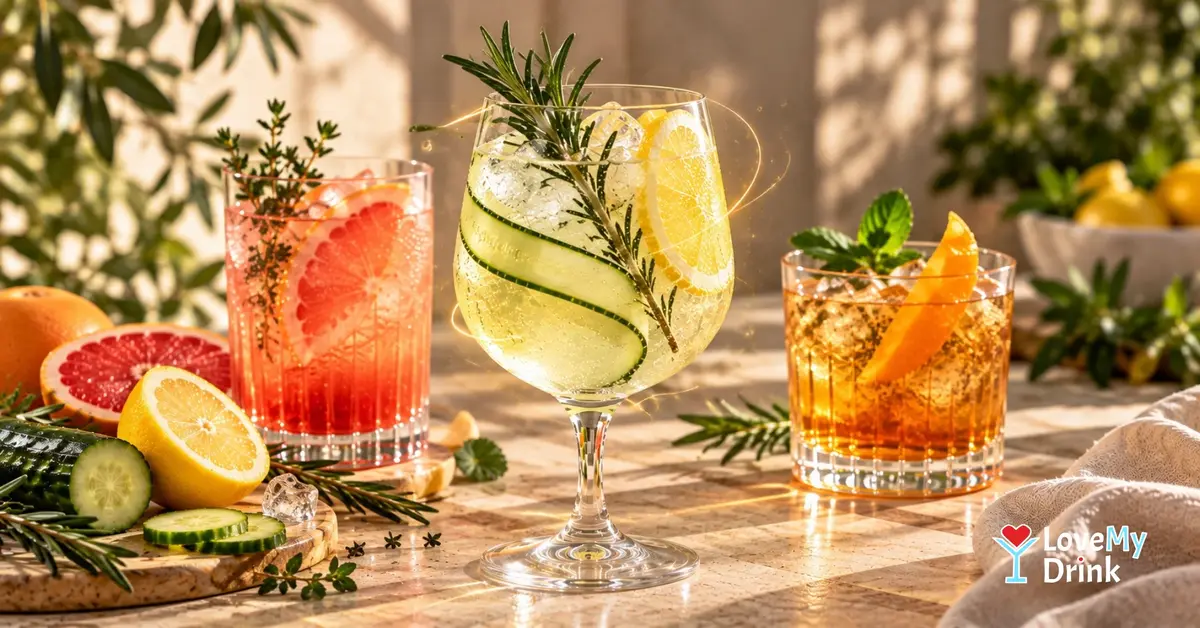
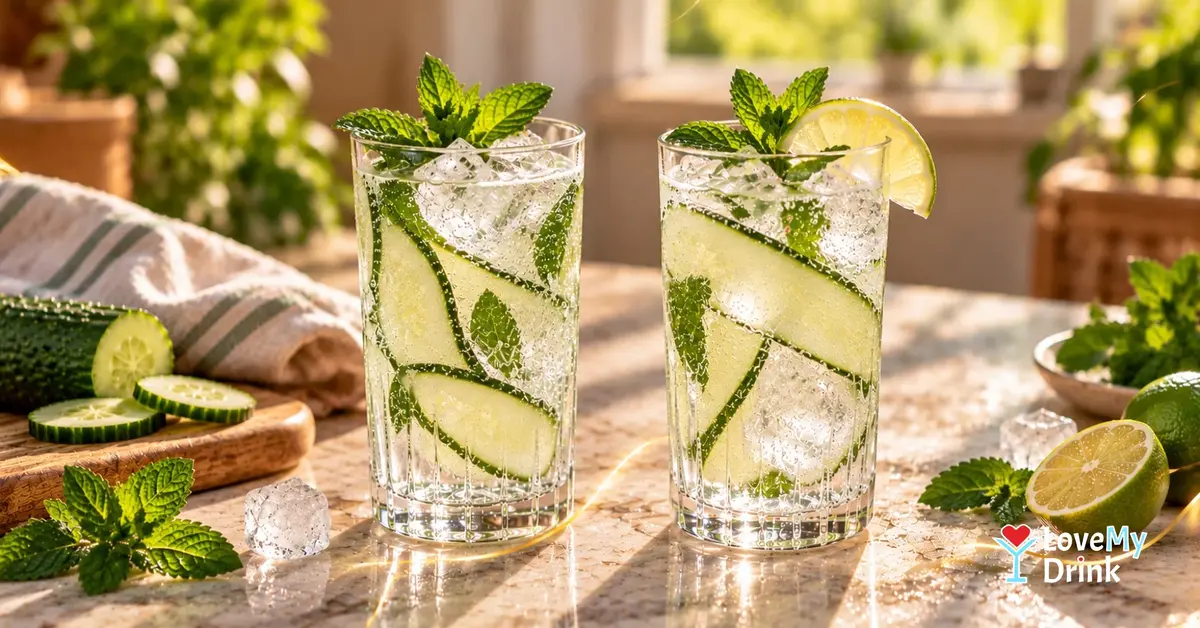
One cucumber-lime mocktail, two completely different finishes
Try this when you have five minutes and two glasses. No shaker, alcohol-free spirit or homemade syrup required. Make the same cucumber-lime base twice, then let the mixer do the talking. It is a tiny kitchen experiment with a useful payoff: the next time a mocktail tastes not quite right, you will have a better idea which bottle to reach for.
Ingredients (makes two tasting glasses)
- 2 long cucumber ribbons (1 per glass), or 6 thin cucumber slices (3 per glass)
- 30 ml fresh lime juice (1 oz total; 15 ml / 0.5 oz per glass)
- 8 small fresh mint leaves (4 per glass)
- 120 ml chilled plain soda water (4 oz)
- 120 ml chilled regular tonic water (4 oz)
- Plenty of ice
- Optional: 5–10 ml simple syrup (0.2–0.3 oz), only if the soda version needs a little sweetness
How to make both glasses
- Tuck one cucumber ribbon (or three thin slices) into each highball glass. Press gently once or twice with the back of a spoon for a fresh cucumber aroma. Do not crush it into pulp.
- Add 15 ml fresh lime juice (0.5 oz) and four mint leaves to each glass. Give the mint a light tap between your hands first rather than grinding it.
- Fill both glasses generously with ice.
- Top the first glass with 120 ml chilled soda water (4 oz). Top the second with 120 ml chilled tonic water (4 oz). Stir each just once or twice.
- Taste the soda glass first, then the tonic glass. Leave out syrup until you have tasted both versions as they are.

What to notice in each sip
- With soda water: Notice how clearly the cucumber and mint come through, and how direct the lime tastes. The finish is clean, but it may be quite tart without any sweetener. If you would like it softer, add 5 ml simple syrup (0.2 oz), taste and decide whether it needs any more.
- With tonic water: Look for a rounder, often sweeter first impression followed by the tonic's bitter finish. The cucumber may slip into the background. Most regular tonics will not need extra syrup, although brands vary a lot.
Neither glass has to win. One feels like something to sip in the garden; the other belongs beside a bowl of olives before dinner. That is the point: the mixer changes the mood, not just the fizz.
A fun little twist: Make it a blind taste test with someone. Serve the two versions in matching glasses, without saying which mixer is which. Ask which one they would choose for a sunny afternoon and which for pre-dinner drinks. Reveal the mixers afterwards. It is an easy way to discover a favourite without asking anyone to learn cocktail jargon.
Which mixer works best with your mocktail ingredients?
The best mixer is the one that adds something your drink is missing. Before you pour, look at what is already in the glass.
- Sweet fruit or cordial: start with soda. Mango, pineapple nectar and elderflower cordial can bring plenty of sweetness. Plain soda makes them lighter without piling on more. Add a squeeze of lime if they taste too soft.
- Grapefruit, lemon or lime: either can work. Soda keeps the citrus sharp and refreshing. Tonic can give the same fruit a more bittersweet, aperitif-like finish. Grapefruit is an especially good ingredient for comparing the two.
- Cucumber, delicate herbs or floral tea: give soda the first pour. These flavours are easily overshadowed. If the finished drink feels too simple, replace just a quarter of the soda with tonic rather than switching the whole glass.
- Ginger, rosemary or tart cranberry: try a little tonic. They have enough character to stand beside a bitter mixer. Start with a partial tonic pour, especially if your base is already sharp or bitter.
One useful check: taste the tonic straight from the fridge before using it. Some are lightly citrusy; others are strongly bitter, floral or quite sweet. There is no single tonic flavour that works with every recipe.
How to swap tonic and soda without spoiling the balance
You can replace one with the other in the same volume, but do not expect the same drink. Here is how to make the switch feel intentional instead of accidental.
- Switching from soda to tonic? Keep the mixer quantity the same but skip any automatic syrup. Taste first. If the result is too sweet, brighten it with 5 ml fresh lime juice (0.2 oz) at a time, or use less tonic next round. If it is too bitter, start by reducing the tonic rather than burying the taste under sugar.
- Switching from tonic to soda? You lose the tonic's bitterness and usually its sweetness too. If the drink now tastes too tart, add 5 ml simple syrup (0.2 oz) and taste again. If it is pleasant but a little flat, try a fresh citrus peel or a fragrant herb before reaching for more sugar.
- Want a safer halfway swap? Use 60 ml tonic water (2 oz) plus 60 ml soda water (2 oz) in place of 120 ml tonic (4 oz). You keep the total pour the same while softening both its sweetness and bitter finish.
- Keep the bubbles alive. Chill both mixers, use plenty of fresh ice, add the fizz last and stir gently. Never shake a drink after adding carbonated water.
A small trick worth remembering: When a mocktail tastes too sweet, more bitterness does not remove the sugar. A splash of soda lowers the proportion of tonic in the glass; a little fresh citrus can make the sweetness feel better balanced. They solve slightly different problems.
Tonic vs soda water: quick questions
Is tonic water the same as soda water?
No. Both are fizzy, but tonic contains quinine, which gives it a characteristic bitter taste, and regular tonic is generally sweetened. Plain soda water is mainly there for carbonation, without the same bittersweet flavour.
Does tonic water have more sugar than soda water?
Regular tonic often does. Plain, unsweetened soda water typically has no sugar, while standard tonic usually contains sugar or another sweetener. Light and zero-sugar tonics exist, so compare the nutrition labels on the bottles you actually use. Bitterness alone tells you nothing reliable about sugar content.
Can I use club soda, seltzer or sparkling water instead?
Usually, yes, if they are plain and unsweetened. Names vary by country: club soda commonly includes added mineral salts, while seltzer is typically just carbonated water. Those mineral differences may slightly affect taste, but all can work as a neutral, fizzy base for a mocktail. Check the label if you want to avoid extra flavours or sweeteners.
Which mixer is better without an alcohol-free spirit?
Tonic can be useful when you want bitterness and complexity from the mixer itself. Soda is just as good when your fruit, tea, herbs or citrus already have enough personality. You do not need a zero-proof spirit to make either version feel like a proper drink.
The next time you want a mocktail that feels a little special, start with the feeling you want in the glass: bright and clean, bittersweet and layered, or comfortably in between. You might be one small pour away from a new favourite. And you do not need to buy another bottle of alcohol-free spirit to find it.
Want a drink to try next? Our non-alcoholic Paloma starts with grapefruit, lime and soda, while these seven tonic water mocktails show the more bittersweet side. If you are pouring for friends, the make-ahead mocktail guide helps you save the bubbles until serving time.