Whiskey Highball Recipe: 1:2 vs 1:3 Ratio
Approx. 9 min read
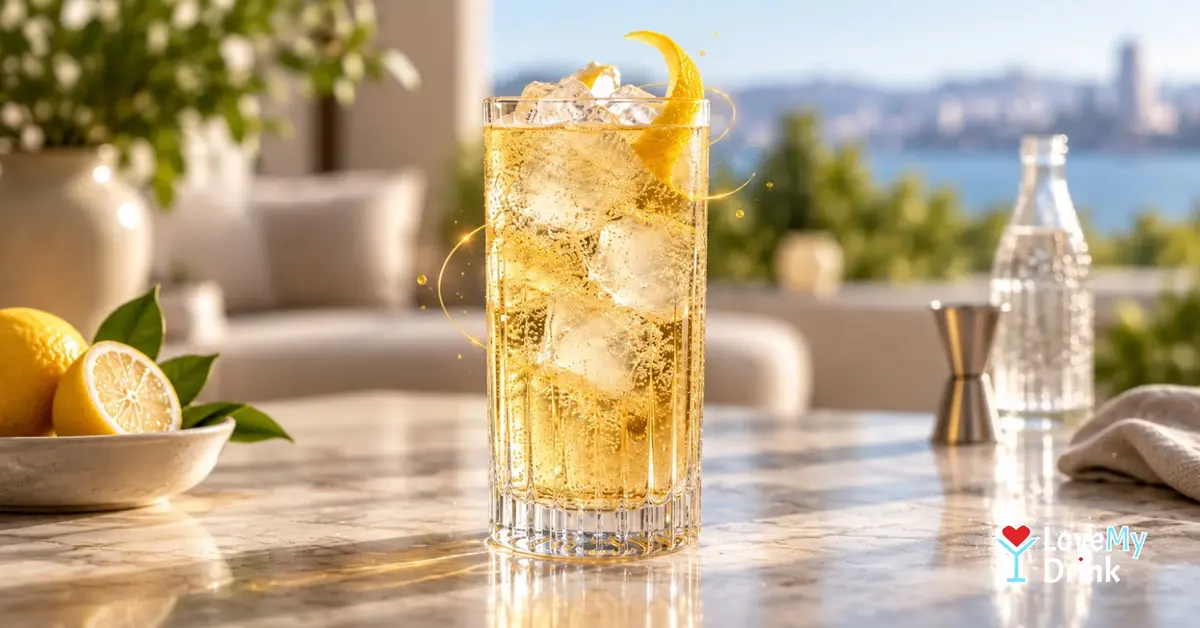
Choose your Highball by taste
There is no single ratio that makes every Whiskey Highball better. The useful question is what you want the drink to do.
- 1:2 — 60 ml whiskey (2 oz) + 120 ml soda water (4 oz): bolder, fuller and more whiskey-forward.
- 1:2.5 — 60 ml whiskey (2 oz) + 150 ml soda water (5 oz): a comfortable middle ground when 1:2 feels a little intense but 1:3 feels too long.
- 1:3 — 60 ml whiskey (2 oz) + 180 ml soda water (6 oz): lighter, crisper and more refreshing.
If you already enjoy whiskey neat or on the rocks, start with 1:2. If you want a tall, very refreshing drink for dinner or a warm afternoon, 1:3 is often the better place to begin.
The important part is to keep the whiskey amount the same and change only the soda. That way you can actually taste what the ratio changes instead of guessing.
Easy Whiskey Highball recipe
Recipe details
- Difficulty: Easy
- Prep time: 2 minutes
- Tools: Highball glass, jigger or measuring cup, bar spoon or teaspoon
- Taste: Crisp, dry, refreshing, whiskey-forward
- Calories: Approx. 130 kcal with plain soda water, depending on the whiskey
- Serves: 1 cocktail
- Best served: Very cold in a tall glass filled with fresh ice
Ingredients
- 60 ml whiskey (2 oz)
- 120 ml very cold soda water (4 oz) for a 1:2 Highball, or 180 ml (6 oz) for a 1:3 Highball
- Fresh ice
- Lemon peel, optional
How to make it
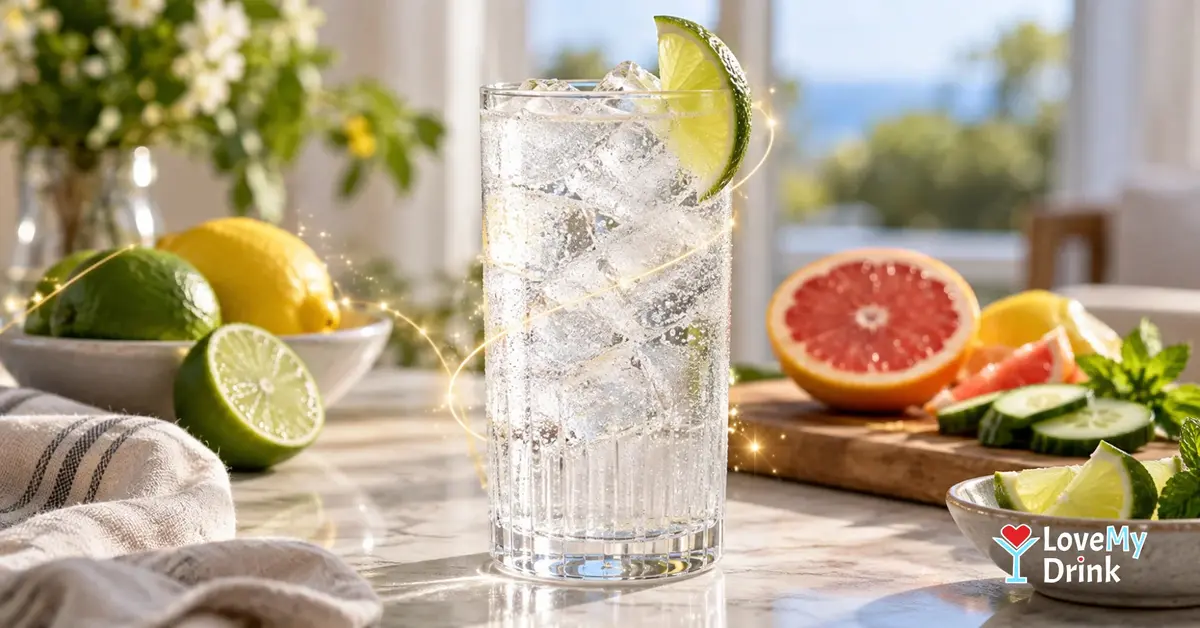
- Fill a tall Highball glass completely with fresh ice.
- Pour in 60 ml whiskey (2 oz).
- Slowly add 120 ml cold soda water (4 oz) for the bolder 1:2 version, or 180 ml (6 oz) for the lighter 1:3 version.
- Give the drink one or two gentle stirs from the bottom upward. Do not keep stirring once everything is combined.
- Express a lemon peel over the glass and drop it in if you want a fresh citrus aroma. The garnish is optional.
Quick tip: If you want the middle ground, use 150 ml soda water (5 oz). That gives you a 1:2.5 Highball without changing the whiskey pour.
What really changes between 1:2 and 1:3?
The whiskey does not disappear when you add more soda, but the way you experience it changes. At 1:2, the aroma, sweetness, spice and oak feel more concentrated. The drink is still refreshing, but the spirit clearly leads.
At 1:3, the same whiskey is spread through a longer, colder drink. The bubbles and extra water make the Highball feel lighter and easier to sip, while the whiskey becomes less intense.
Neither version is the “correct” one. A fuller bourbon may be delicious at 1:2, while a delicate blended whisky may feel especially clean and refreshing at 1:3. Your glass size, ice and whiskey also change the result, so treat the ratio as a starting point rather than a rule.
Try this tiny 1:2 vs 1:3 Highball experiment
If you are not sure which ratio you prefer, do not make two full cocktails. Make two tasting-size Highballs instead. It takes about three minutes and uses only 30 ml (1 oz) of whiskey in total.
Glass A — 1:2
- 15 ml whiskey (0.5 oz)
- 30 ml very cold soda water (1 oz)
- A small, equal amount of fresh ice
Glass B — 1:3
- 15 ml whiskey (0.5 oz)
- 45 ml very cold soda water (1.5 oz)
- The same amount of fresh ice as Glass A
How to compare them
- Use two similar small glasses and add the same amount of ice to each.
- Add 15 ml whiskey (0.5 oz) to each glass.
- Add 30 ml soda water (1 oz) to Glass A and 45 ml soda water (1.5 oz) to Glass B.
- Stir each glass once, gently.
- Taste the 1:2 version first, then the 1:3. Go back once more and notice which one makes the whiskey taste clearer to you.
Do not look for the stronger drink and automatically call it better. Ask which one has the balance you would actually want to finish. If Glass A feels hot or heavy, move toward 1:3. If Glass B feels too quiet, stay closer to 1:2.
This is also a useful way to test a new bottle. A ratio you love with bourbon may not be the ratio you prefer with rye, Scotch or Japanese whisky.
Why cold soda, ice and gentle stirring matter
A Highball should feel lively. Warm or tired soda can make even good whiskey taste flat, so the mixer deserves more attention than it usually gets.
- Chill the soda before you open it. Starting cold gives the drink a cleaner, more refreshing feel.
- Use a freshly opened bottle or can when possible. You want active carbonation, not the last quiet splash from yesterday.
- Pour gently. There is no need to crash the soda into the ice.
- Stir once or twice, then stop. You only need to combine the drink, not mix it for thirty seconds.
The technique is deliberately simple. This is a two-ingredient drink, not a test of bartending theatre.
Use plenty of regular ice. For a classic Highball at home, fresh regular ice cubes are the easiest choice. Fill the glass properly instead of dropping two cubes into a tall drink and hoping for the best.
The goal is a drink that starts very cold and stays pleasant while you sip it. If you want a deeper guide to cube size, dilution and when large or crushed ice actually makes sense, see our guide to the best ice for cocktails.
Avoid ice that has picked up strong freezer smells. In a drink this simple, there is nowhere for stale ice to hide.
Which whiskey should you use?
Use a whiskey you already like. You do not need a rare bottle, but you also should not expect soda to rescue a whiskey you dislike.
- Bourbon: often feels rounder and sweeter. Try 1:2 first if you want those vanilla, caramel and oak notes to stay obvious.
- Rye whiskey: brings a drier, spicier character. Both 1:2 and 1:3 can work well, so this is a good candidate for the mini test.
- Blended Scotch whisky: can make a clean, easy Highball. Start around 1:2.5 or 1:3 if refreshment is the goal.
- Japanese whisky: is closely associated with the modern Japanese Highball style and works beautifully in a longer, very cold serve.
- Irish whiskey: can be an approachable option when you want a softer, easy-drinking Highball.
If you are still figuring out which whiskey drinks you enjoy, our easy whiskey cocktails for beginners gives you seven simple directions from fizzy Highballs to richer classics.
What you actually need
You can make a good Whiskey Highball with a tall glass, ice and any reliable way to measure. If you want dedicated bar gear, these are the upgrades that make sense for this recipe rather than filling a drawer with tools you will not use.
- Highball glasses — useful if you want the tall, narrow serve and enough room for a full 1:3 build with ice.
- 30/60 ml jigger — especially handy here because 30 ml and 60 ml measurements make ratio testing quick and repeatable.
- Cocktail ice tray — useful if your freezer does not already make clean, solid cubes for tall drinks.
A bar spoon is optional. A long teaspoon is completely fine for the one gentle stir this drink needs.
Three common Highball mistakes
1. Treating the soda like an afterthought
If the soda is warm or nearly flat, the drink loses the crisp character that makes a Highball worth making. Chill it, open it when you are ready and pour it gently.
2. Using too little ice
A tall glass with only a few cubes quickly becomes a lukewarm mixed drink. Fill the glass with fresh ice and build the Highball cold from the start.
3. Fixing a weak Highball by adding more whiskey
If a 1:3 Highball tastes too light, make the next one at 1:2 or 1:2.5. Randomly adding whiskey after the drink is built makes the balance harder to repeat. Measure once, remember the ratio and your next glass gets easier.
And if what you really want is more flavor rather than more whiskey, try a Whiskey Ginger. Ginger ale gives the same easy Highball structure a sweeter, spicier direction.
Once the ratio, temperature and fizz are right, there is very little left to fix. That simplicity is the point of the drink.
Whiskey Highball FAQ
What is the best whiskey-to-soda ratio for a Highball?
Start with 1 part whiskey to 2 parts soda if you want a bolder drink, or 1 part whiskey to 3 parts soda if you want it lighter and more refreshing. A 1:2.5 ratio is an excellent middle ground.
Is a Whiskey Highball the same as whiskey and soda?
In everyday use, yes. A basic Whiskey Highball is whiskey and carbonated water served cold over ice in a tall glass. The “Highball” name also describes the broader family of spirit-and-mixer drinks.
Can I use bourbon in a Whiskey Highball?
Yes. Bourbon makes a slightly richer, rounder Highball and is a very easy bottle to start with. Try 1:2 first, then move toward 1:3 if you want a lighter drink.
Can I use sparkling mineral water instead of soda water?
Yes, but taste it first. Mineral water can bring its own mineral character, while neutral soda water keeps the focus more squarely on the whiskey. Use whichever version tastes cleaner to you.
Should I stir a Whiskey Highball?
Yes, but only briefly after adding the soda. One or two gentle stirs are enough to combine the whiskey and mixer without unnecessarily knocking out carbonation.
Does a Whiskey Highball need lemon?
No. Lemon peel is optional. It adds a fresh citrus aroma, but whiskey, soda, ice and the right ratio are all you need for the drink itself.
The Whiskey Highball is simple enough to make in two minutes, but not so simple that every ratio tastes the same. Start at 1:2 when you want the whiskey to lead. Go to 1:3 when you want something longer and more refreshing. Use 1:2.5 when you want a bit of both.
If you are curious, spend 30 ml (1 oz) of whiskey on the tiny side-by-side test before making a full glass. You will learn more about your own taste in three minutes than you will from memorizing somebody else's “perfect” ratio.
Cold glass. Fresh ice. Fizzy soda. Your ratio. That is the whole game — and that is why you will probably make this one again.