A Few Drops of Salt Water Can Make a Cocktail Taste Better — Here’s Why
Approx. 5 min read
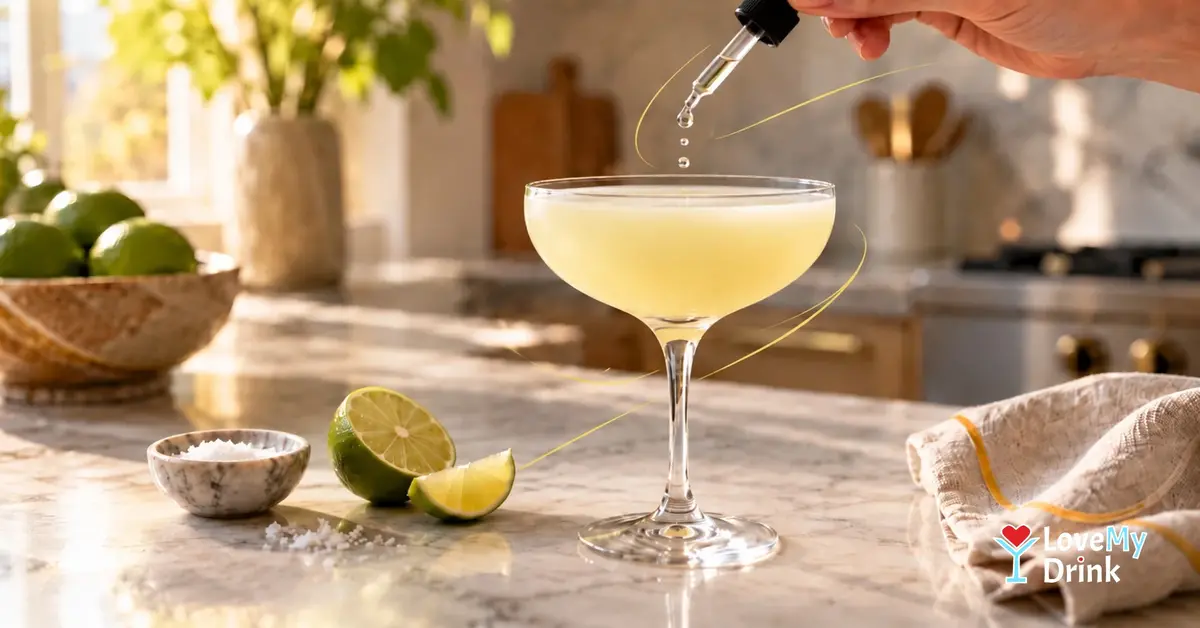
Salt in a cocktail? Here is what it can actually change
The goal is not to make your drink taste salty. Used carefully, a tiny amount of salt can shift the balance of a cocktail without announcing itself as an ingredient.
One useful effect is bitterness suppression. Sodium can reduce the way we perceive some bitter compounds, which can make citrus, fruit, sweetness or aromatics feel clearer in the glass.
That does not mean salt turns sour into sweet, or that every cocktail improves with saline. Think of it as seasoning: a small adjustment can make a drink feel more complete. Too much simply tastes salty.
You should not taste the salt. You should notice the cocktail.
How to make a 20% saline solution for cocktails
Saline solution is simply salt dissolved in water. It is easier to dose consistently than loose salt crystals and takes only a minute to make.
Simple 20% saline solution
- 20 g fine salt
- 80 g water
Stir until fully dissolved, then transfer to a clean dropper bottle or another clean, tightly sealed container.
This is a 20% solution by total weight: 20 g salt + 80 g water = 100 g saline solution. That is different from adding 20 g salt to 100 g water.
How many drops should you add?
Start small. For a full cocktail, two drops of 20% saline is a sensible first test. Taste, then add another drop or two only if the effect still feels too subtle.
Dropper sizes, recipes and palates vary, so there is no universal number. Some drinks may take two drops, others four or five, and some do not need saline at all.
If you can clearly taste salt, you have probably gone too far.
Try the Love My Drink two-glass salt test
This is the easiest way to understand what saline actually changes. You do not even need to make two full cocktails.
- Make one citrus-forward cocktail you already know, such as a Daiquiri, Gimlet or Margarita.
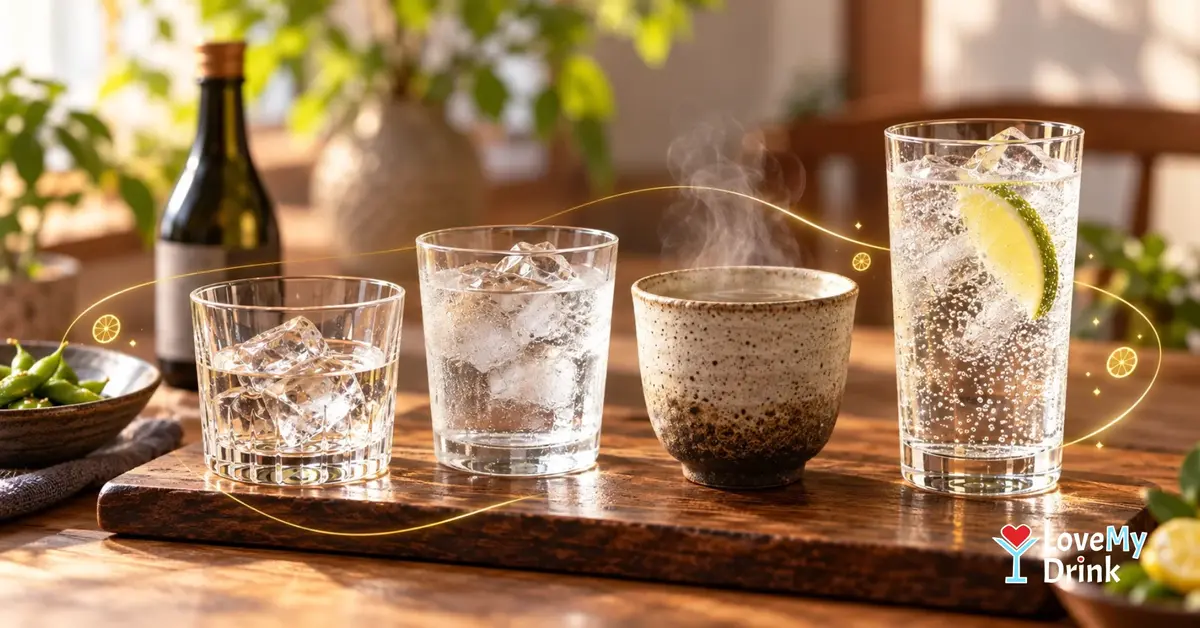
- Shake or mix it as usual, then divide it evenly between two small glasses.
- Leave the first glass untouched.
- Add one drop of 20% saline to the second half-glass. That is roughly equivalent to starting with two drops in a full cocktail.
- Taste the unsalted glass first, then the salted one.
- If the difference is very subtle, add one more drop to the salted sample and taste again.
Do not hunt for salt. Ask whether the lime feels brighter, the bitter edge feels softer, the sweetness is easier to notice or the drink simply feels more integrated.
And if the unsalted glass tastes better, that is useful too. The point is to learn what one tiny adjustment does in your own glass.
Which cocktails are worth trying with saline?
Saline is easiest to understand in drinks where small changes in balance are obvious.
Citrus-forward sours
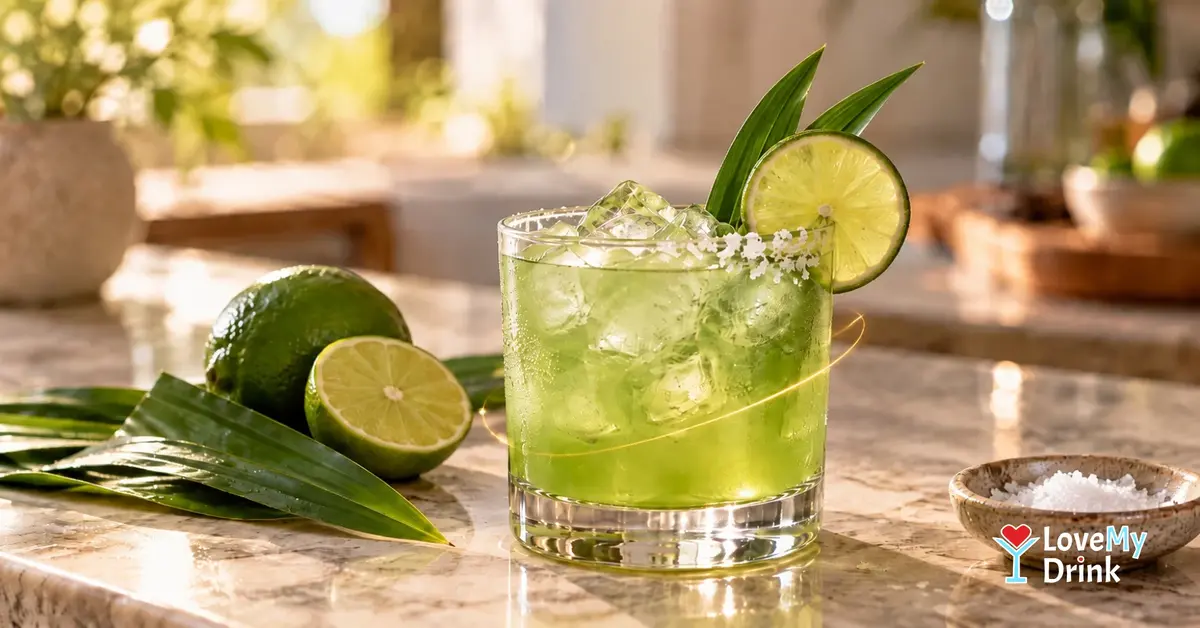
Daiquiris, Gimlets and Margaritas are ideal test drinks because spirit, citrus and sweetness are easy to compare. A tiny saline adjustment can sometimes soften a harsh edge and make the drink feel more settled.
Grapefruit drinks
Grapefruit brings natural bitterness as well as acidity, which makes Paloma-style drinks especially interesting. A little salt can make the fruit feel brighter without turning the drink salty.
Bitter or fruit-heavy cocktails
Saline can also be interesting in bittersweet or tropical drinks, but use restraint. It should support the character of the cocktail, not flatten it. Temperature, dilution and fresh ingredients still matter more.
Saline in the drink is not the same as a salt rim
A salt rim changes each sip directly because the salt touches your lips. Saline works more quietly: it is dispersed through the drink, so you are seasoning the liquid rather than the edge of the glass.
That is why a Margarita can use a salt rim, saline in the liquid, both or neither. They are different tools.
The most common saline mistakes
- Adding too much too quickly: start with a few drops and build slowly.
- Treating the number of drops as universal: saline strengths and droppers differ, so taste matters more than copying one number.
- Using saline to fix a badly balanced recipe: salt cannot rescue stale citrus, too much syrup, poor dilution or the wrong proportions.
- Adding it to everything automatically: some drinks are already balanced exactly where they are.
- Changing several things at once: adjust one variable at a time so you know what actually helped.
Saline solution for cocktails: quick FAQ
Does salt make a cocktail sweeter?
Not in the same way sugar does. Salt can suppress the perception of some bitter compounds and change how flavours compete, which may make sweetness or fruit seem more noticeable.
Can I use a pinch of salt instead?
Yes. A very small pinch can work, especially in a longer drink. Saline is simply easier to dose consistently when you want to repeat the result.
What strength saline solution should I use?
A 20% solution is a practical home-bar starting point because it is concentrated enough to use by the drop. Make it by weight with 20 g salt and 80 g water.
Does saline work in non-alcoholic drinks too?
Yes. The effect is about flavour perception, not alcohol. Grapefruit, citrus, tonic and other bittersweet ingredients can make non-alcoholic drinks good candidates for the same taste test.
The tiny rule worth remembering
Make the drink correctly first. Get the ratio, temperature and dilution right. Then, if something still feels slightly sharp, bitter or disconnected, try a couple of drops of saline and taste again.
Sometimes the difference will be obvious. Sometimes it will be tiny. Sometimes the better glass will be the one without salt.
You should not taste the salt. You should notice the cocktail.