Paper Plane Cocktail Recipe: 4 Equal Parts, No Guesswork
Approx. 6 min read
Choose one measure and repeat it four times
The Paper Plane has one of the easiest formulas in modern cocktails: equal parts bourbon, Aperol, Amaro Nonino and fresh lemon juice. Pick one measure, pour all four ingredients to the same line, then shake and strain. That is the whole system.
Our home version uses 22.5 ml (0.75 oz) of each ingredient. The current IBA specification uses 30 ml (1 oz) of each. The drink gets bigger, but the rule never changes: 1:1:1:1.
Easy Paper Plane cocktail recipe
Recipe details
- Difficulty: Easy
- Prep time: 3 minutes
- Tools: Cocktail shaker, jigger, strainer
- Taste: Bright, bittersweet, citrusy and herbal
- Calories: Approx. 150 kcal, depending on the brands used
- Serves: 1 cocktail
- Best served: Well chilled in a coupe or cocktail glass, without ice
Ingredients
- 22.5 ml bourbon (0.75 oz)
- 22.5 ml Aperol (0.75 oz)
- 22.5 ml Amaro Nonino (0.75 oz)
- 22.5 ml fresh lemon juice (0.75 oz)
- Ice, for shaking
How to make it
- Add the bourbon, Aperol, Amaro Nonino and fresh lemon juice to a cocktail shaker with plenty of ice.
- Shake firmly until the drink is very cold, about 10 to 12 seconds. Do not keep shaking once it is properly chilled.
- Strain into a chilled coupe or cocktail glass and serve without ice.
Quick tip
A slightly higher-proof bourbon works especially well here. Around 43–46% ABV gives the whiskey a little more body, so it stays present beside the lemon, Aperol and amaro without turning the drink heavy.
The other rule is simple: keep the shake efficient. The Paper Plane should be properly cold and silky, not diluted until the flavors disappear.
The Paper Plane one-mark method
You do not really need to memorize four measurements. You only need to choose one line on your jigger and hit it four times.
- 15 ml (0.5 oz) each: 60 ml total before shaking — useful for a smaller test pour.
- 22.5 ml (0.75 oz) each: 90 ml total before shaking — the size used in this recipe and a comfortable fit for many coupes.
- 30 ml (1 oz) each: 120 ml total before shaking — the current IBA specification and a noticeably larger serve.
Same cocktail. Same balance. Different size. If your jigger has an easy-to-read line, use that line for every ingredient and you have the recipe.
If your Paper Plane tastes off, check this before changing the ratio
Equal parts make the recipe easy to remember, but ingredients still vary. Before you start rewriting the drink, check the obvious things first.
- Too sharp: Make sure the drink is properly chilled and diluted before deciding the lemon needs changing. Fresh lemons can vary, so taste the finished drink before adjusting the next round.
- Too bitter or too dark: Check that you used Aperol. Campari pushes the drink in a much more bitter direction.
- The bourbon disappears: Try a bottle around 43–46% ABV for a little more body.
- Flat or watery: The drink may have been shaken too long. Chill it well, then stop.
The useful rule is to change one thing at a time. Otherwise you lose the beautifully simple baseline that makes the Paper Plane so easy to repeat.
What does a Paper Plane taste like?
Bright first, then bittersweet. Fresh lemon brings the sharpness, Aperol adds orange and gentle bitterness, and Amaro Nonino brings a softer herbal depth. Bourbon sits underneath it all with warmth, vanilla and spice.
The clever part is that none of those ingredients should dominate. It is a whiskey cocktail that still feels lively and fresh rather than heavy or aggressively spirit-forward.
Why four equal parts actually work
Bartender Sam Ross created the Paper Plane in 2008 as a riff on another equal-parts classic, the Last Word. The template is memorable, but the ingredients are doing very different jobs: bourbon gives structure, lemon gives acidity, Aperol brings bright bittersweet citrus, and Amaro Nonino fills in the herbal middle.
That is why the first drink is worth making exactly as written. Once you know the baseline, any adjustment becomes intentional instead of random.
Do you really need Amaro Nonino?
For the classic Paper Plane, yes. Amaro Nonino is not just there to add generic bitterness; it is part of the drink's signature balance and softer herbal character.
Another amaro can still make a delicious equal-parts bourbon cocktail, but it becomes a riff. Darker, sweeter or more bitter bottles can move the finished drink surprisingly far from the original.
Can you use Campari instead of Aperol?
You can, and there is a fun reason this question keeps appearing: Ross has said the earliest version of the Paper Plane actually used Campari before he revised the drink to Aperol. Aperol is the modern standard.
Campari makes the cocktail darker, more bitter and more assertive. If you want the Paper Plane most people now recognize, use Aperol. If you are curious about the drink's early direction, the Campari version is an interesting experiment.
What bourbon works best?
You do not need a rare or expensive bottle. Choose a bourbon you already enjoy in mixed drinks, ideally with enough body to stay noticeable after shaking.
Very soft, low-proof bourbon can disappear behind the citrus and bittersweet ingredients. A slightly stronger bottle usually keeps the drink more defined while still letting the Paper Plane feel bright and easy-drinking.
Garnish or no garnish?
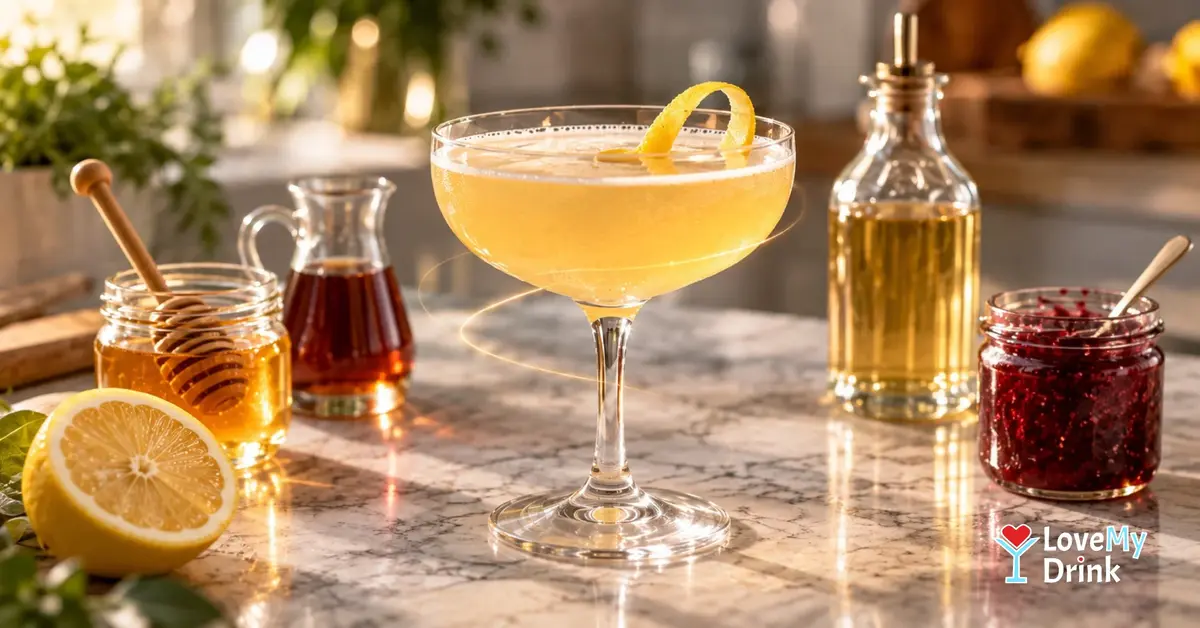
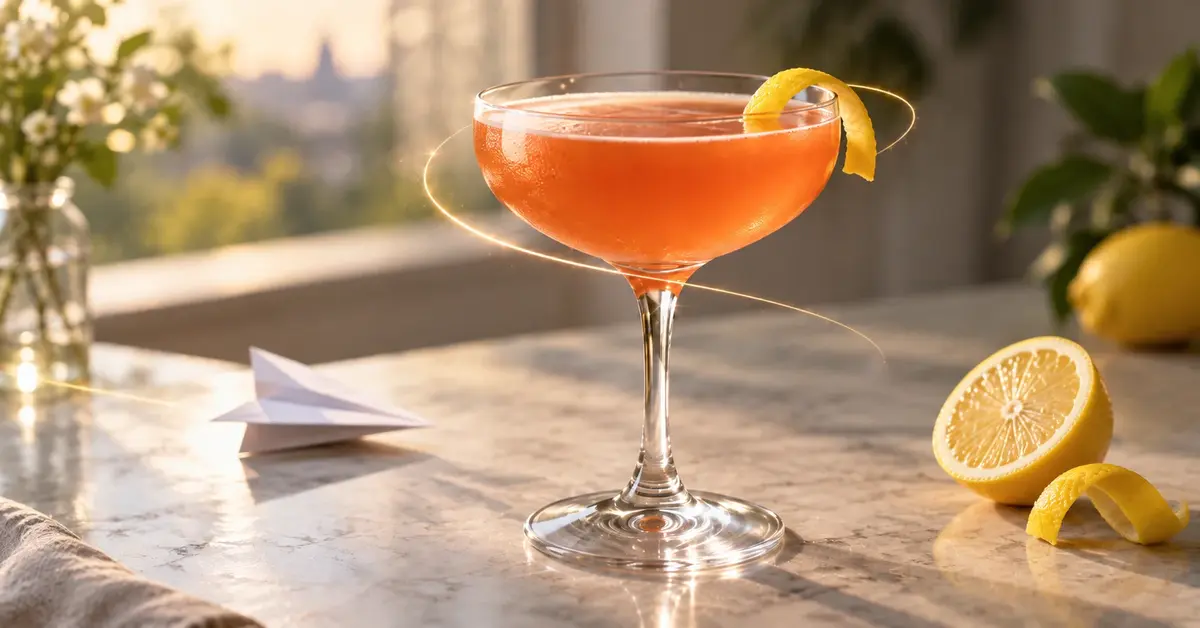
No garnish is required. The current IBA specification lists the Paper Plane without one, and a clean chilled coupe lets the orange-coral color do the work.
At home, a small lemon twist is an easy optional finish. Keep it simple. This drink already looks like it tried harder than it did.
Two easy Paper Plane riffs
Make it with rye
Swap the bourbon for the same amount of rye whiskey for a drier, spicier version. It is no longer the classic recipe, but the equal-parts structure gives you a sensible starting point.
Change the amaro
Use another amaro in the same quantity and you will immediately see how much work Amaro Nonino is doing. Start equal, taste the finished drink and only then decide whether the riff needs adjustment.
Paper Plane cocktail FAQ
Is a Paper Plane sweet or bitter?
Both, but neither should dominate. Aperol and Amaro Nonino bring sweetness and bitterness, while fresh lemon keeps the drink sharp and lively.
Does a Paper Plane need ice in the glass?
No. Shake it with ice, then strain it into a chilled coupe or cocktail glass and serve it up, without ice.
Can I make a larger Paper Plane?
Yes. Keep all four ingredients equal. Moving from 22.5 ml (0.75 oz) each to 30 ml (1 oz) each makes a larger drink without changing its balance.
Can I make two at once?
Yes, if your shaker has enough room for the doubled ingredients plus plenty of ice. Double every ingredient equally, shake until properly cold and divide between two chilled glasses.
Four pours, one very easy modern classic
The Paper Plane is the kind of cocktail worth keeping in your back pocket. It feels polished, tastes layered and still gives you almost nothing to remember beyond one rule: four equal parts.
Bourbon. Aperol. Amaro Nonino. Lemon. Pick one measure, repeat it four times, shake it cold and you are there.