The Grown-Up Soft Drink Is Having a Moment — 5 Ways to Make One at Home
Approx. 6 min read
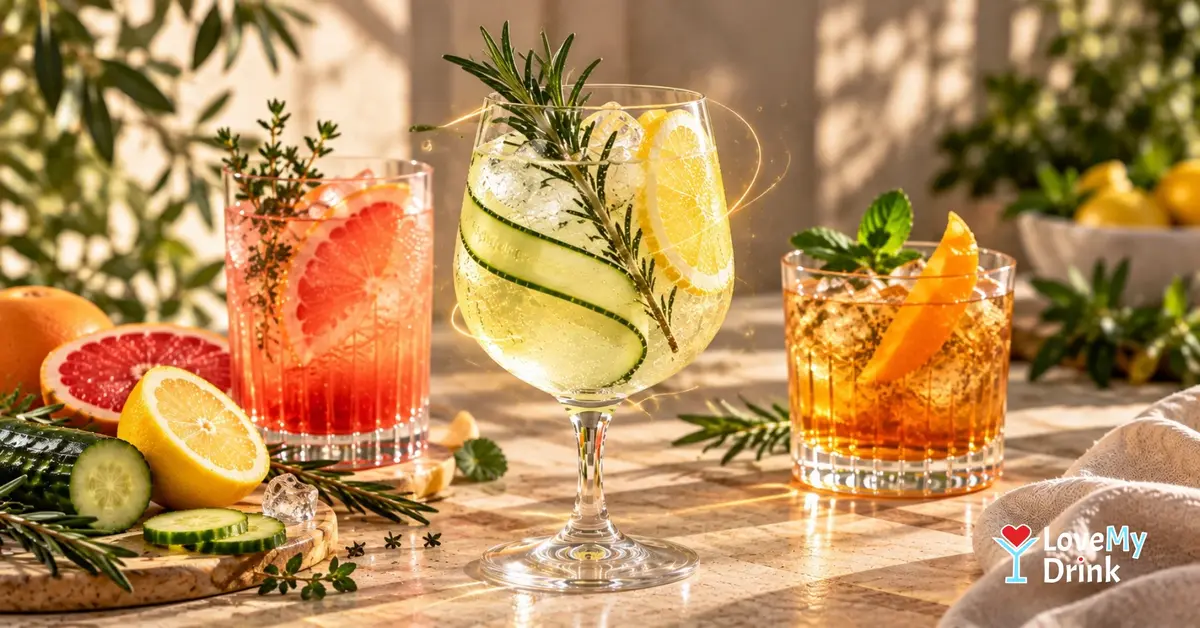
What makes a soft drink taste grown-up?
It is not about making an alcohol-free drink complicated. It is about giving it contrast.
You still want something cold, easy and refreshing. You just want a little more going on than fruit plus fizz.
A more interesting drink usually has one element pulling against sweetness — bitterness, acidity, tannin, herbs, spice or a dry finish.
- Bitterness makes a drink feel drier and more aperitif-like.
- Tartness gives lift without needing more sweetness.
- Tannin adds grip and structure.
- Herbs and citrus peel make the first sip smell more interesting.
- Savoury or spicy details stop the drink tasting like fruit soda.
You do not need all five in one glass. One or two are usually enough.
1. Add bitterness, not more fruit
If a drink tastes too soft or too sweet, bitterness is one of the fastest ways to sharpen it. Tonic water is the easiest place to start: it brings bubbles, bitterness and enough sweetness to work as a mixer on its own.
Try this tonight
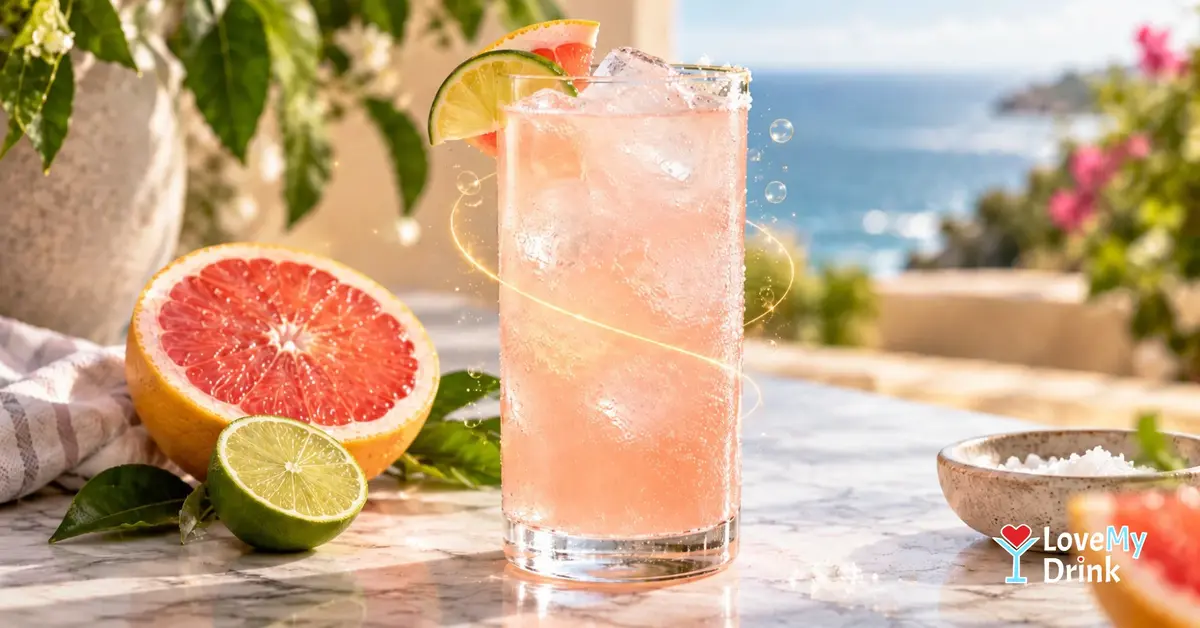
Fill a tall glass with ice. Add 20 ml / 0.7 oz fresh grapefruit or lime juice, top with 120 ml / 4 oz cold tonic water and finish with a rosemary sprig or strip of citrus peel.
Affiliate disclosure: This article contains affiliate links. If you buy through them, Love My Drink may earn a commission at no extra cost to you. As an Amazon Associate, we earn from qualifying purchases.
If you want an easy bitter-herbal shortcut, see the tonic option on Amazon.
For more combinations built around the same dry, bitter idea, try our tonic water mocktails that are not too sweet.
2. Use tartness that is not just lemon
Fresh lemon and lime are useful, but they are not your only options. Verjus, tart cranberry, unsweetened pomegranate and vinegar-based shrubs can bring acidity that feels softer, fruitier, wine-like or lightly savoury.
Verjus is especially useful when you want brightness without making the whole drink taste like lemonade.
Easy formula
Try 45 ml / 1.5 oz verjus with 90 ml / 3 oz sparkling water over ice. Add 5–10 ml / 1–2 tsp simple syrup only if it needs rounding out, then finish with lemon peel or a fresh herb.
If you want to try it at home, see the verjus option on Amazon.
Aim for bright, not aggressively sour.
3. Let tea do the work alcohol usually does
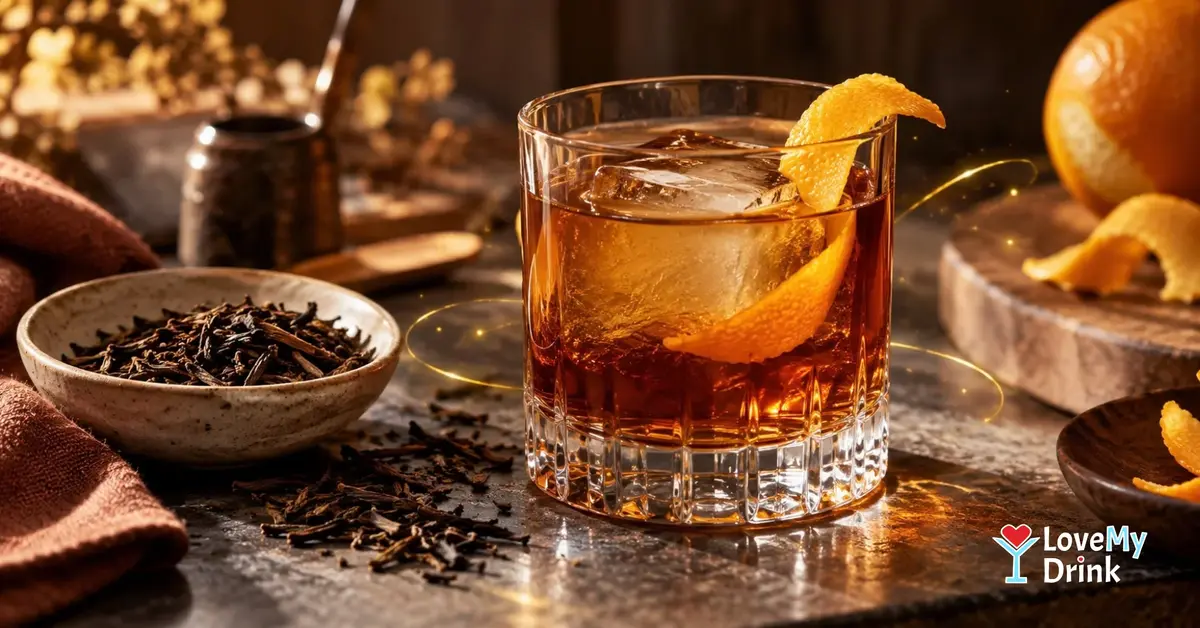
Tea is one of the easiest ways to give an alcohol-free drink structure. Strong tea brings tannin, aroma and a slightly drying finish — exactly what plain juice and soda often miss.
Black tea gives more grip. Oolong is softer and rounder. Green and jasmine teas feel lighter and more floral. Smoked tea can make a drink surprisingly bold.
Easy formula
Use 90 ml / 3 oz strong chilled tea, 15–20 ml / 0.5–0.7 oz fresh citrus and 90 ml / 3 oz soda water. Add a small amount of syrup only after tasting.
For a rounded tea base, see the oolong tea option on Amazon.
If this is your kind of drink, our tea mocktail recipes that taste grown-up, not like juice take the idea much further.
4. Build aroma before sweetness
A drink can feel more complex before you even taste it. Rosemary, basil, thyme, mint, cucumber and citrus peel all change the first impression without adding sugar.
Herbal zero-proof spirits can do the same job in one pour, which means the rest of the drink can stay very simple.
Easy formula
Pour 50–60 ml / 1.7–2 oz of an herbal alcohol-free spirit over ice, add 10–15 ml / 0.3–0.5 oz fresh lemon juice and top with 90–120 ml / 3–4 oz soda water or tonic. Garnish with one herb or a strip of citrus peel.
For the herbal route, see the zero-proof botanical option on Amazon.
One aromatic garnish usually feels more intentional than a glass crowded with fruit.
5. Add one savoury or spicy detail
This is the smallest change and often the most surprising. A tiny pinch of salt can soften the edge of bitterness and make citrus feel fuller. Fresh ginger adds heat. Black pepper works with grapefruit or tomato. Cucumber adds a cool savoury edge. Even a teaspoon of brine can shift a drink away from sweet and into something much more intriguing.
The key word is tiny. You are adding tension, not turning the drink into soup.
The 10-second fix
- Too sweet? Add fresh acid or a splash of soda water.
- Too flat? Add citrus peel, herbs or fresh ginger.
- Too thin? Add strong chilled tea.
- Too sharp? Add a very small amount of syrup.
- Still boring? Try one tiny pinch of salt.
A simple grown-up soft drink formula
Once you stop thinking in terms of juice plus soda, these drinks become much easier to build.
- Choose a cold sparkling base: 90–120 ml / 3–4 oz soda water or tonic.
- Add structure: 30–90 ml / 1–3 oz strong tea, verjus, an herbal zero-proof spirit or a small amount of tart juice.
- Add acidity if needed: usually 10–20 ml / 0.3–0.7 oz fresh lemon or lime.
- Sweeten last: start with none, taste, then add 5–10 ml / 1–2 tsp syrup only if the drink needs it.
- Finish with aroma: citrus peel, one herb, cucumber, ginger or a spice.
Taste before you reach for more syrup. Too bitter may simply mean it needs dilution. Too sour may need a little sweetness. If it still feels boring, reach for aroma or structure before more fruit.
Want a finished recipe instead?
If you would rather start with a complete drink, try 5 Mocktails That Actually Taste Like Cocktails. Then come back to this framework when you want to start improvising.
FAQ
What is a grown-up soft drink?
It is an informal way to describe an alcohol-free drink with more structure than a typical sweet soda or juice drink. Think bitterness, tartness, herbs, tannin, spice and a cleaner finish.
Do I need a zero-proof spirit?
No. Tonic water, tea, verjus, fresh herbs, citrus and soda water can do most of the work. A zero-proof spirit is simply a convenient shortcut when you want more aroma and complexity.
How do I make a mocktail taste less like juice?
Use less juice, then add something that creates contrast. Tonic gives bitterness. Tea gives tannin. Lemon or verjus gives acidity. Herbs give aroma. Soda water adds dilution and a drier finish.
Does less sweet-tasting mean low sugar?
Not necessarily. Tonic water, syrups, juices and zero-proof products can still contain sugar even when the finished drink tastes dry or bitter. Check the label if sugar content matters to you.
Final sip
The best alcohol-free drinks do not need to imitate a cocktail perfectly. They just need enough contrast to make the next sip interesting.
Pick one idea tonight: tonic instead of soda, tea instead of more juice, verjus instead of another squeeze of lemon, or one herb instead of extra syrup. Pour it over plenty of ice, taste as you go and make it yours. Simple drink, better moment.