Cocktail Tools for Beginners: What to Buy First (and What Can Wait)
Approx. 11 min read
The quick answer: what should a beginner buy first?
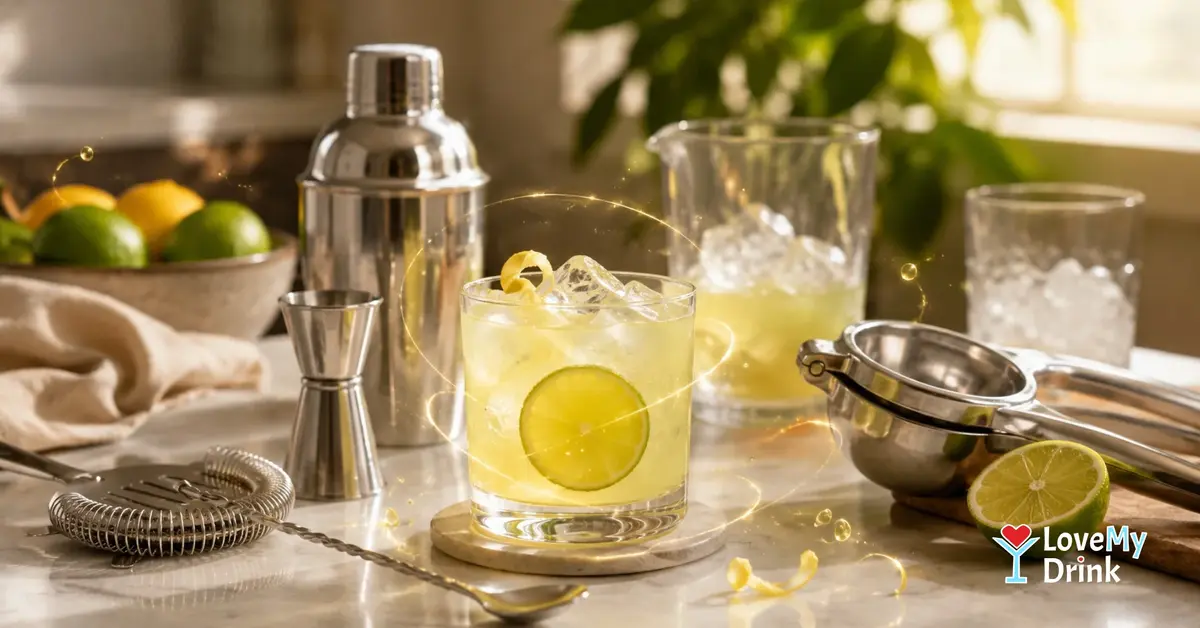
Start with tools that solve a problem you already have. Accurate measuring matters. Proper chilling matters. Fresh citrus matters. Most of the shiny extras can wait.
- Buy first: a jigger, cocktail shaker if you make shaken drinks, hand citrus press, Hawthorne strainer if your shaker needs one, and a bar spoon.
- Buy later: a fine-mesh strainer, Y-peeler and large ice cube tray.
- Skip for now: a dedicated mixing glass, smoking gun, garnish tweezers, specialty ice gadgets and oversized kits full of tools you may never use.
That small setup is enough to make a surprisingly wide range of cocktails without turning a kitchen drawer into a miniature equipment store.
The 5 cocktail tools I would buy first

As an Amazon Associate I earn from qualifying purchases.
1. Jigger — the best first purchase
If you buy only one proper cocktail tool, make it a jigger. Cocktail recipes depend on ratios, and measuring accurately is the easiest way to make the same drink taste good twice.
What to look for: clear markings that are easy to read while you pour. The exact shape matters much less than being able to see the measurements quickly. A jigger with clearly readable fractional measurements is a practical place to start.
What it helps with: Margaritas, Daiquiris, Whiskey Sours, Old Fashioneds, Martinis and almost any cocktail where balance depends on measured pours.
Can you substitute it? Yes. Marked measuring spoons or a small measuring cup work well while you are starting. Our guide to measuring cocktails without a jigger shows useful tablespoon, teaspoon, ml and oz conversions.
2. Cocktail shaker — buy it if you like shaken drinks
A shaker becomes useful when you make drinks with citrus juice, syrup, fruit, egg white or other ingredients that need more than a gentle stir. It chills the drink quickly and helps combine ingredients while the ice adds the dilution the recipe needs.
What to look for: a secure seal, a comfortable grip and a design that is easy to open and clean. You do not need a huge matching set. A straightforward cocktail shaker is enough for a beginner bar.
Two-piece shakers are simple and versatile. Three-piece cobbler shakers include a built-in strainer, which some beginners find convenient. Either style can work perfectly well at home.
What it helps with: Margaritas, Daiquiris, Whiskey Sours, Cosmopolitans and many tropical cocktails.
Can you substitute it? Sometimes. A clean jar with a tight lid can work for non-carbonated ingredients. Never shake soda, tonic, sparkling wine or another fizzy mixer in a sealed jar. If you mostly make highballs and spritzes, see our easy cocktails you can make without a shaker before deciding whether you need one.
3. Hand citrus press — a small tool you may use constantly
Fresh lemon and lime appear in a huge number of cocktails. Squeezing citrus by hand works, but it becomes messy and annoying surprisingly quickly when you make drinks regularly.
What to look for: a sturdy hinge, a comfortable handle and a size that works with the citrus you use most. A simple hand citrus press makes fresh juice faster and keeps seeds out of the glass.
What it helps with: Margaritas, Daiquiris, Whiskey Sours, Mojitos, Palomas and almost any sour-style cocktail.
Can you substitute it? Absolutely. Your hands work. This is a convenience purchase, not a requirement for making a good cocktail.
4. Hawthorne strainer — buy it if your shaker needs one
A Hawthorne strainer sits over a shaker or mixing vessel and holds back the larger pieces of ice, herbs and fruit while you pour the drink.
What to look for: a strainer that sits securely over your shaker and feels stable while pouring. If you choose a two-piece shaker, a Hawthorne strainer is a sensible companion purchase. If your shaker already has a built-in strainer, you can wait.
What it helps with: Whiskey Sours, Margaritas, Daiquiriris, shaken gin drinks and other cocktails served without the shaking ice.
Can you substitute it? A small kitchen strainer can work. It is usually less convenient to hold over a shaker, but it does the job while you are starting.
5. Bar spoon — useful, but easy to substitute
A bar spoon is long and slim, which makes it easy to stir around ice in a tall glass or mixing vessel. It is useful for stirred cocktails and for gently combining fizzy drinks without aggressively disturbing the bubbles.
What to look for: enough length to reach the bottom of your usual glasses and a handle that feels comfortable to rotate. A simple bar spoon is more useful than one covered in decorative extras.
What it helps with: Old Fashioneds, Negronis, Martinis, Gin and Tonics, Palomas and other built or stirred drinks.
Can you substitute it? Very easily. A long teaspoon or regular kitchen spoon is perfectly fine at the beginning.
3 useful cocktail tools that can wait

These tools are genuinely useful. They just do not solve the first problems most beginners have. Buy them when you notice yourself wishing you had them, not because a bar kit says you should.
Fine-mesh strainer — for cleaner shaken cocktails
A fine-mesh strainer catches tiny ice chips, citrus pulp, herbs and small fruit pieces that can pass through a Hawthorne strainer. Using both strainers is usually called double straining.
It is especially useful for drinks served without ice in a coupe or cocktail glass, where floating ice fragments are more noticeable. A fine-mesh cocktail strainer is a worthwhile upgrade when you start making more Sours, Daiquiris or fruit-heavy shaken drinks.
Priority: Buy later. Your first cocktails will be completely fine without it.
Y-peeler — an easy garnish upgrade
A strip of lemon or orange peel does more than make a drink look finished. Expressing the peel over the glass releases aromatic citrus oils that you notice before the first sip.
A Y-peeler or citrus peeler becomes useful when you start making Old Fashioneds, Negronis, Martinis and other drinks where a citrus twist is part of the serve.
Priority: Buy later. A small sharp knife can cover the job while you are learning.
Large ice cube tray — nice for slow-sipping drinks
Large cubes are not essential, but they are a useful upgrade for short, spirit-forward cocktails served over one piece of ice. They make the glass look cleaner and, when the ice is properly frozen, can melt more slowly than several small cubes with lots of exposed surface area.
A large ice cube tray makes the most sense if you regularly drink Old Fashioneds, Boulevardiers or other short drinks over ice.
Priority: Buy later. Fresh, hard, properly frozen ice matters more than having a particular cube shape.
Cocktail tools you can skip at the beginning
This is where beginner bar setups can become expensive for no good reason. A tool can be fun without being necessary.
- Dedicated mixing glass: beautiful and pleasant to use, but a sturdy glass or the metal half of a shaker can handle stirred drinks while you learn.
- Smoking gun: dramatic, but it solves no essential beginner cocktail problem.
- Garnish tweezers: useful for precise presentation, unnecessary for a relaxed drink at home.
- Ice stamps and specialty ice gadgets: visual upgrades rather than essentials.
- Huge 12- or 15-piece cocktail kits: only worth considering if you have checked that you actually want the individual pieces. More tools does not automatically mean a better setup.
A muddler sits somewhere in the middle. If you make Mojitos or fruit-heavy drinks every week, it can be useful. If you make them twice a year, the end of a sturdy wooden spoon can get you started.
Cocktail tool kit vs buying pieces separately
A complete cocktail kit can be convenient, especially if you want everything stored together and already know you will use most of it. The downside is that many sets include pieces you do not need while leaving you with one or two tools you eventually replace.
Buying individually lets you build around the drinks you actually enjoy. Someone who loves Margaritas needs a different setup from someone who mostly makes Old Fashioneds, Gin and Tonics and spritzes.
If I were building a beginner setup from zero, I would rather buy three useful pieces I genuinely like than twelve average ones. A jigger, shaker and citrus press already cover a lot of ground. Add the strainer or spoon when the drinks you make call for them.
If you are building the entire home setup rather than choosing tools alone, our broader home bar essentials for beginners guide covers bottles, mixers, glassware, ice and the other basics as well.
The simplest rule is this: buy a tool when it removes a repeated annoyance. If you keep guessing measurements, buy the jigger. If squeezing six limes makes you avoid Margaritas, buy the press. If you never shake anything, do not buy a shaker just because it looks like bar equipment.
Which cocktails use which tools?
You can make a lot of drinks with a very small kit. These examples make it easier to see which tools you would actually reach for.
Margarita
- Jigger: yes
- Shaker: yes
- Citrus press: very useful
- Hawthorne strainer: useful if your shaker needs one
- Fine-mesh strainer: optional
Whiskey Sour
- Jigger: yes
- Shaker: yes
- Citrus press: very useful
- Hawthorne strainer: useful with a two-piece shaker
- Fine-mesh strainer: optional for a cleaner finish
Old Fashioned
- Jigger: yes
- Bar spoon: useful
- Large ice cube tray: optional upgrade
- Y-peeler: useful for an orange twist
Gin and Tonic or Paloma
- Jigger: useful
- Bar spoon: useful
- Citrus press: useful
- Shaker: usually unnecessary
Daiquiri
- Jigger: yes
- Shaker: yes
- Citrus press: very useful
- Hawthorne strainer: useful
- Fine-mesh strainer: optional
If you want drinks that teach you what these tools actually do, our classic cocktails every home bartender should know are a useful next step. After making a few of them, you will quickly see which tools you reach for repeatedly.
Build your cocktail tool kit in 3 stages
Stage 1: solve the basics
- Jigger
- Cocktail shaker, if you make shaken drinks
- Hand citrus press
With those pieces, you can measure accurately, shake when a recipe needs it and handle fresh citrus without making the process feel like work.
Stage 2: make pouring and stirring easier
- Hawthorne strainer, if your shaker needs one
- Bar spoon
These are small upgrades, but they make repeated cocktail making smoother. They become even more useful when you start making several drinks for friends instead of one drink at a time.
Stage 3: improve finish and presentation
- Fine-mesh strainer
- Y-peeler
- Large ice cube tray
This is where your setup starts feeling more polished. These tools cannot rescue a bad recipe, but they can improve texture, aroma and presentation once the basics are already working.
Cocktail tools for beginners FAQ
What cocktail tools does a beginner really need?
A jigger is the most universally useful first purchase. Add a shaker if you make shaken citrus drinks, then a citrus press, bar spoon and strainer as your cocktail habits grow.
Should a beginner buy a Boston shaker or a cobbler shaker?
Both can work. A two-piece Boston-style shaker is simple and versatile, while a three-piece cobbler shaker includes a built-in strainer. Choose the one you find easiest to hold, open and clean.
Do I really need a jigger for cocktails?
No, but accurate measuring makes recipes much easier to repeat. Measuring spoons and marked cups work well as substitutes, so you can start without a jigger and add one later.
Is a cocktail tool kit worth buying?
It can be if you will genuinely use most of the pieces. For many beginners, buying a few individual tools makes more sense because it avoids unnecessary gadgets and lets you upgrade one piece at a time.
Do I need both a Hawthorne strainer and a fine-mesh strainer?
Not at first. A Hawthorne strainer handles the main job after shaking. A fine-mesh strainer is an optional second layer for catching smaller ice chips, pulp and herbs when you want a cleaner finish.
Start small and make the drinks you already like
Your first home bar does not need to look professional. It needs to make your favorite drinks easier.
Start with accurate measuring. Add a shaker when the drinks you love actually need one. Upgrade the garnish and ice later. A small kit you understand is far more useful than a drawer full of tools you bought because somebody called them essential.
Pick one cocktail you already enjoy, add the tool that removes the biggest annoyance, and build from there. That is enough to make home bartending feel easier almost immediately.