Home Bar Essentials: What Beginners Actually Need
Approx. 15 min read
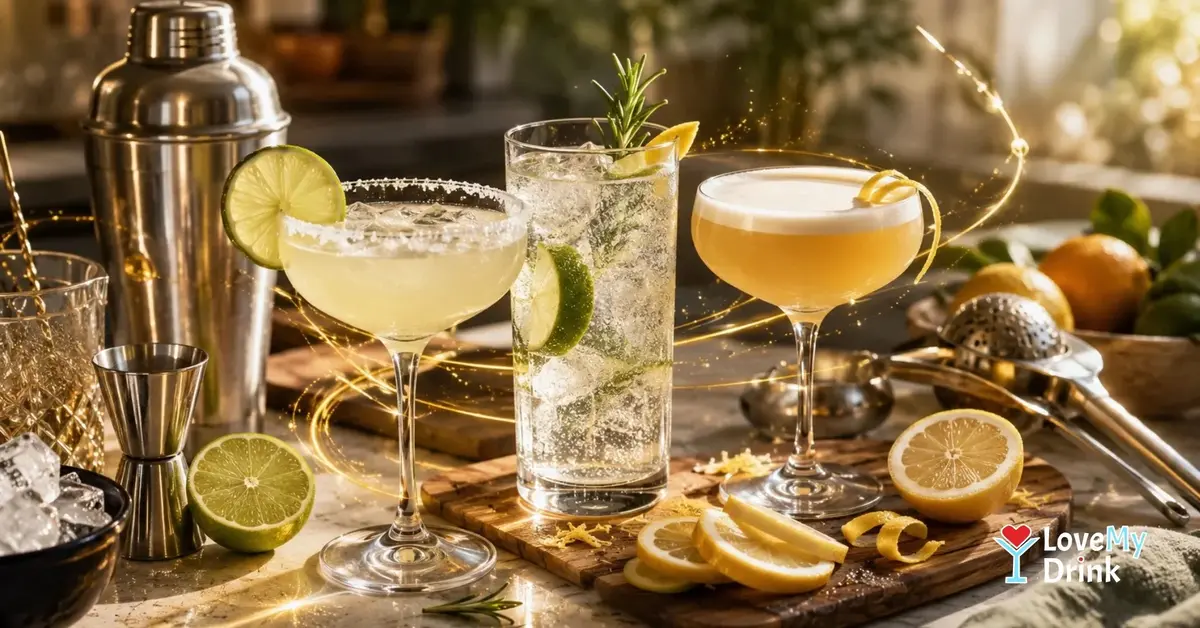
A simple home bar starts with the right basics
Building a home bar can feel confusing at first.
One person says you need a shaker. Another says you need bitters, vermouth, five types of rum, special ice molds, a smoking gun and a cupboard full of glasses.
You really do not.
The best home bar essentials for beginners are the things you will actually use. Tools that make drinks easier. Ingredients that work in more than one recipe. Bottles that let you make simple cocktails without buying half a liquor store.
Start small. Make a few drinks well. Then add more when you know what you enjoy.
The beginner home bar mindset
A good home bar is not about owning everything.
It is about being ready to make a drink without stress.
For most beginners, that means being able to make simple classics, quick mixed drinks and easy party cocktails. Think Gin and Tonic, Margarita, Mojito, Vodka Soda, Whiskey Sour, Rum and Coke or a simple spritz-style drink.
The mistake many people make is buying random bottles before they understand what they like. That usually leads to dusty liqueurs and tools that never leave the drawer.
A better approach is simple: start with one or two base spirits, add fresh citrus, get proper ice and buy a few basic tools. A shaker, jigger and strainer will already take you far.
If you want easy recipes to practise with first, try our 3-ingredient cocktails or even 2-ingredient cocktails if you want something even simpler. They are a good starting point because they show how much you can do with very little.
Essential home bar tools

You do not need many tools, but a few make a real difference. They help you measure, chill, mix and strain drinks properly, which is where many homemade cocktails either improve fast or fall apart.
Not sure which of those tools deserves your money first? Our cocktail tools for beginners guide breaks the setup into what to buy first, what can wait and which gadgets you can skip completely.
Cocktail shaker
A shaker is useful for drinks with citrus juice, syrup, egg white, cream or fruit.
Margaritas, Daiquiris, Whiskey Sours and many tropical drinks need shaking because the drink has to chill, dilute and blend quickly.
A basic two-piece Boston shaker or a three-piece cobbler shaker is enough. Beginners often like cobbler shakers because they have a built-in strainer, but they can sometimes get stuck when cold.
And if you do not have a cocktail shaker yet, that is completely fine. You can still make plenty of simple drinks at home — start with these easy cocktails you can make without a shaker.
A shaker and jigger are enough for classics like a balanced Whiskey Sour, where accurate measuring and a good shake make a noticeable difference.
Jigger
A jigger is one of the most important tools in a beginner home bar.
Guessing measurements is one of the fastest ways to make a drink taste wrong. Too much citrus makes it sharp. Too much syrup makes it heavy. Too much alcohol can flatten the balance instead of making the drink better.
Look for a jigger with clear markings for common measurements:
- 15 ml / 0.5 oz
- 30 ml / 1 oz
- 45 ml / 1.5 oz
- 60 ml / 2 oz
Once you start measuring, your drinks become more consistent almost immediately.
Bar spoon
A bar spoon is useful for stirred drinks and simple mixed drinks.
You can technically use a regular spoon, but a bar spoon makes it easier to stir with ice in a tall glass or mixing glass. It also helps when layering, tasting or gently combining fizzy ingredients without killing the bubbles.
Strainer
If you use a Boston shaker, you need a strainer.
A Hawthorne strainer is the most useful one to start with. It holds back ice, fruit, herbs and shaken pieces of citrus.
For extra-smooth drinks, you can later add a fine mesh strainer. That is helpful for cocktails with mint, berries or citrus pulp.
Citrus press
Fresh citrus is one of the easiest ways to make home cocktails taste better.
A simple hand citrus press is more useful than it looks. It gives you fresh lime and lemon juice quickly, without seeds and without making a mess.
Bottled lime juice is one of the most common beginner mistakes. It usually tastes flat or harsh compared with fresh juice.
Muddler
A muddler is useful, but not essential on day one.
You need it for drinks like Mojitos, Caipirinhas or cocktails with fresh fruit and herbs. The key is not to smash everything aggressively. Mint especially should be pressed gently, not destroyed. If you crush it too hard, it can taste grassy and bitter.
If Mojitos are one of the first drinks you want to make, our classic Mojito recipe is a good place to see how mint, lime and rum should work together.
Mixing glass
A mixing glass is nice, but you can wait.
It is mainly used for spirit-forward stirred drinks like a Martini, Manhattan or Negroni. If you are just starting with easy cocktails, you can stir in a sturdy glass or shaker tin for now.
The bottles beginners should start with
You do not need every spirit.
A small home bar can begin with two or three bottles and still feel useful. Choose bottles based on the drinks you actually want to make, not because they look impressive on a shelf.
Vodka
Vodka is simple, neutral and easy to mix.
It works well in Vodka Soda, Moscow Mule-style drinks, Cosmopolitan-style drinks, simple fruit cocktails and many party drinks. It is also beginner-friendly because it does not dominate the drink.
If you like clean, light drinks, vodka is a practical first bottle.
If vodka is one of the first bottles in your home bar, you do not need complicated ingredients to use it well. Start with our guide to what to mix with vodka and keep a few easy mixers ready for quick drinks at home.
Gin
Gin brings more aroma than vodka.
It has botanicals, often juniper, citrus, herbs, flowers or spices. That makes it great for Gin and Tonic, Tom Collins-style drinks, French 75-style drinks and simple spritz-style cocktails.
The main thing with gin is matching it with the right mixer. A very floral gin can taste strange with some tonics, while a classic London dry gin is easier to use in many recipes.
For a simple first gin drink, try our classic Gin and Tonic guide. It is a small drink, but the details matter.
For a classic that feels bright and easy rather than serious, the Tom Collins is a great one to make next. It is tall, fizzy and simple enough for a relaxed home drink.
Rum
Rum is useful if you like tropical, fruity or casual drinks.
White rum works well in Mojitos, Daiquiris, Cuba Libre and simple lime-based cocktails. Dark or aged rum brings more caramel, spice and richness.
For a beginner home bar, white rum is usually the easiest starting point.
Tequila
Tequila is a great choice if you enjoy citrusy drinks.
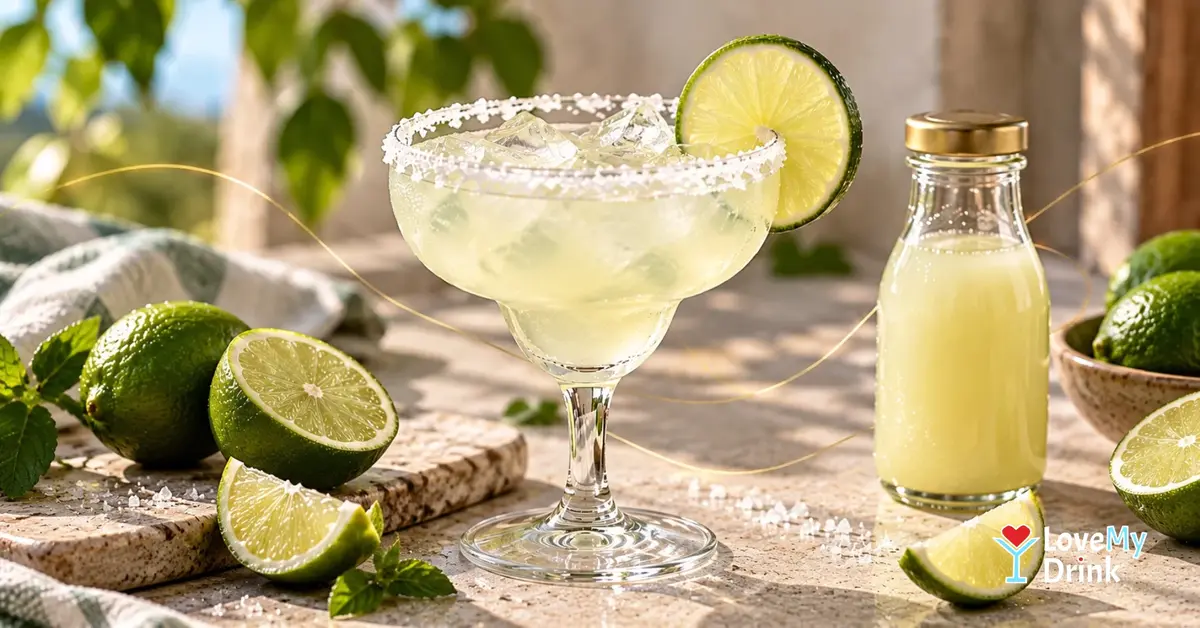
A bottle of blanco tequila lets you make Margaritas, Palomas, Tequila Sodas and simple lime cocktails. It has more character than vodka but is still easy to use.
For beginners, tequila is especially useful because it works beautifully with lime, grapefruit, orange liqueur and soda water.
If you are buying tequila mainly for cocktails, our easy Margarita recipe is one of the best first recipes to learn.
Whiskey
Whiskey is best if you enjoy deeper, warmer drinks.
It works in Whiskey Sour, Highball, Old Fashioned-style drinks and simple ginger ale mixes. Bourbon is often the easiest whiskey for beginners because it tends to be rounder and slightly sweeter.
If you want to keep things simple, choose one whiskey you enjoy sipping and mixing.
Mixers and ingredients that matter most
The right mixers can make a small home bar feel much bigger.
You do not need a fridge full of special syrups. Start with the ingredients that show up again and again in easy drinks.
Fresh lemons and limes
Fresh citrus is one of the biggest upgrades you can make.
Lime brings sharpness and freshness. Lemon is slightly softer and works well in sours, spritzes and tall drinks.
Most cocktails taste better when citrus is squeezed just before mixing. If you prepare it too far in advance, it starts to lose brightness.
Simple syrup
Simple syrup is just sugar dissolved in water.
It mixes into cold drinks much better than granulated sugar. You can buy it, but it is easy to make at home.
Use this basic ratio:
- 100 ml / 3.4 oz water
- 100 g sugar
Warm gently, stir until dissolved, cool and store in the fridge.
Simple syrup helps balance citrus. Without it, many drinks taste thin or too sharp.
Soda water
Soda water adds length and bubbles without sweetness.
It is useful for Vodka Soda, Tequila Soda, Tom Collins-style drinks, spritzes, mocktails and lighter long drinks.
Add it at the end and stir gently. If you shake soda water, you will lose carbonation and probably make a mess.
Tonic water
Tonic is bitter, sweet and bubbly.
It is essential for Gin and Tonic, but it can also work with vodka, tequila or non-alcoholic spirits. The quality matters because tonic often makes up most of the drink.
A bad tonic can make a good gin taste dull.
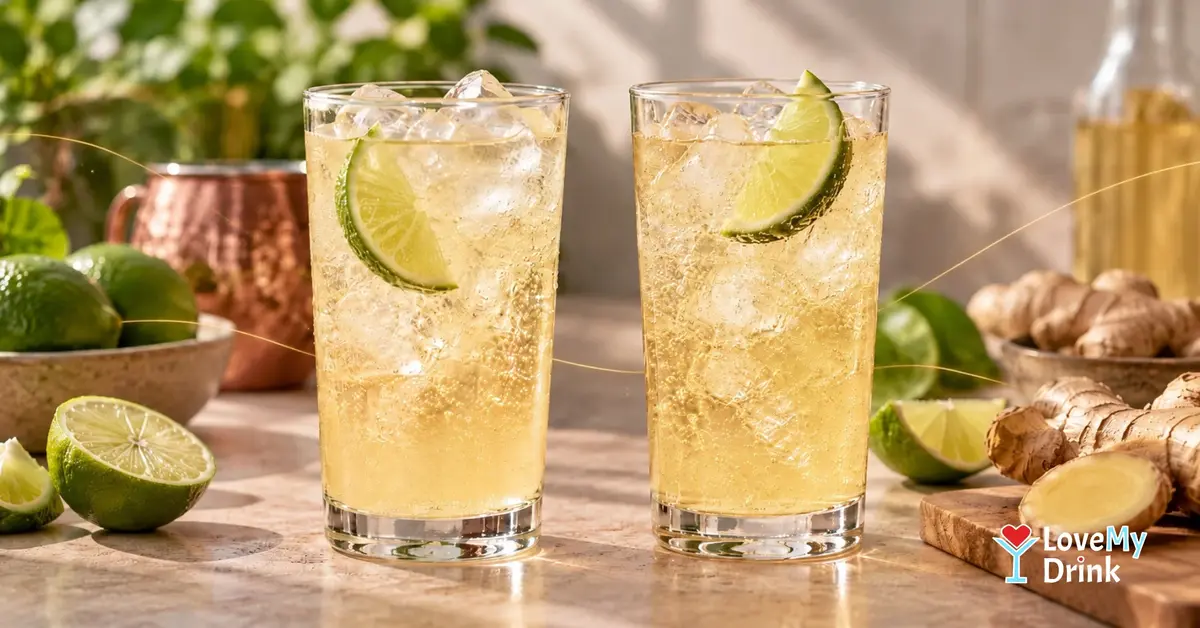
Ginger beer or ginger ale
Ginger beer gives stronger spice. Ginger ale is softer and sweeter.
Both are useful for easy mixed drinks. Ginger beer works especially well with vodka, rum, whiskey and lime.
Orange liqueur
Orange liqueur is useful if you want to make Margaritas, Cosmopolitans, Sidecars or citrusy party drinks.
You do not need several bottles. One good triple sec or Cointreau-style orange liqueur is enough at the beginning.
Bitters, vermouth and liqueurs: should beginners buy them?
Not immediately.
These ingredients are useful, but they depend on what you want to make. If you are starting with highballs, Margaritas, Mojitos and simple party drinks, you can wait.
Bitters
Aromatic bitters are helpful for Old Fashioned-style drinks, Manhattans, some sours and many classic cocktails.
A tiny amount can add depth, spice and aroma. But if you mostly make Mojitos, Margaritas and spritzes, bitters can wait.
Vermouth
Vermouth is used in Martinis, Manhattans, Negronis and many classic drinks.
The important thing to know: vermouth is wine-based. It should be stored in the fridge after opening and used within a reasonable time.
Many beginners buy vermouth, leave it in a cupboard for months, then wonder why their drinks taste stale.
Liqueurs
Liqueurs can be fun, but they are easy to overbuy.
Start with one useful bottle, such as orange liqueur. Add others only when you have specific recipes in mind.
If you are building your bar for easy party drinks, fruit liqueurs, coffee liqueur or elderflower liqueur can be useful later.
Ice is more important than people think
Ice is not just there to make the drink cold.
It controls dilution, texture and serving experience.
Small, wet ice melts quickly and can make drinks watery before they are properly chilled. Large, solid cubes melt more slowly and work better in spirit-forward drinks or simple mixed drinks.
For shaken cocktails, normal freezer cubes are fine. For drinks served over ice, larger cubes usually look better and last longer.
A simple beginner upgrade is to keep a full tray of clean ice ready. Drinks feel much easier when you are not trying to make cocktails with three sad cubes from the back of the freezer.
Glassware for a beginner home bar
You do not need a different glass for every cocktail.
Start with a few practical types. They will cover most drinks you are likely to make at home.
Rocks glasses
Rocks glasses are used for short drinks over ice.
They work for Margaritas on the rocks, Old Fashioned-style drinks, Whiskey Sour, Negroni and many simple cocktails.
Highball glasses
Highballs are tall glasses for long drinks.
Use them for Gin and Tonic, Vodka Soda, Mojito, Paloma, Cuba Libre, Tom Collins and spritz-style drinks.
Coupe or martini glasses
A coupe glass makes drinks feel more elegant.
It works for shaken drinks served without ice, like Daiquiris, Cosmopolitans, Sidecars and some sours.
A coupe is usually more practical than a martini glass because it spills less easily.
Wine glasses
Wine glasses are useful for spritzes, sangria-style drinks, sparkling cocktails and casual serves.
If you do not want to buy special glasses yet, a wine glass can cover a lot of ground.
Garnishes that are actually useful
Garnish should add aroma, not just decoration.
The most useful beginner garnishes are:
- lime wedges
- lemon wheels
- orange slices
- mint
- rosemary
- berries
- cocktail cherries
- salt for rims
- sugar for rims
A lime wedge on a drink is not only visual. It lets the person drinking adjust the acidity. Mint adds aroma before you even take a sip. A citrus twist can make a simple drink feel much more polished.
The mistake is adding too much. A good garnish should make sense with the drink.
Common beginner home bar mistakes
Most beginner mistakes are easy to fix. They usually come from overbuying, under-measuring or skipping fresh ingredients.
Buying too many bottles too soon
A crowded shelf does not make better drinks.
Start with the drinks you actually want to make. Buy ingredients around those recipes.
Using bottled citrus juice
This is probably the biggest flavor mistake.
Fresh lime or lemon juice makes cocktails taste brighter and cleaner. Bottled juice often makes cocktails taste flat or harsh.
Not measuring
Cocktails are about balance.
Even simple drinks can taste off if the measurements are random. A jigger fixes this quickly.
Shaking drinks that should be stirred
As a simple rule: shake drinks with citrus, juice, cream or egg white. Stir drinks that are mostly spirits.
Shaking a Martini or Negroni makes it colder, but also cloudy and more diluted. Some people like that, but it is not the classic texture.
Forgetting dilution
A cocktail is not just alcohol plus flavor.
Water from ice is part of the recipe. It softens the alcohol, opens aroma and makes the drink easier to sip.
That is why shaking and stirring with enough ice matters.
A simple beginner shopping list
If you want a practical starting setup, begin here.
Tools
- Cocktail shaker
- Jigger
- Hawthorne strainer
- Bar spoon
- Citrus press
- Ice tray
- Small cutting board
- Sharp knife
Glassware
- Rocks glasses
- Highball glasses
- Coupe glasses or wine glasses
Ingredients
- Fresh limes
- Fresh lemons
- Simple syrup
- Soda water
- Tonic water
- Ginger beer or ginger ale
- Orange liqueur
- Mint
- Salt
- Sugar
Spirits
Choose two or three to start:
- vodka
- gin
- white rum
- tequila blanco
- bourbon or whiskey
This is enough to make a lot of drinks without feeling overwhelmed.
Easy drinks you can make with these essentials
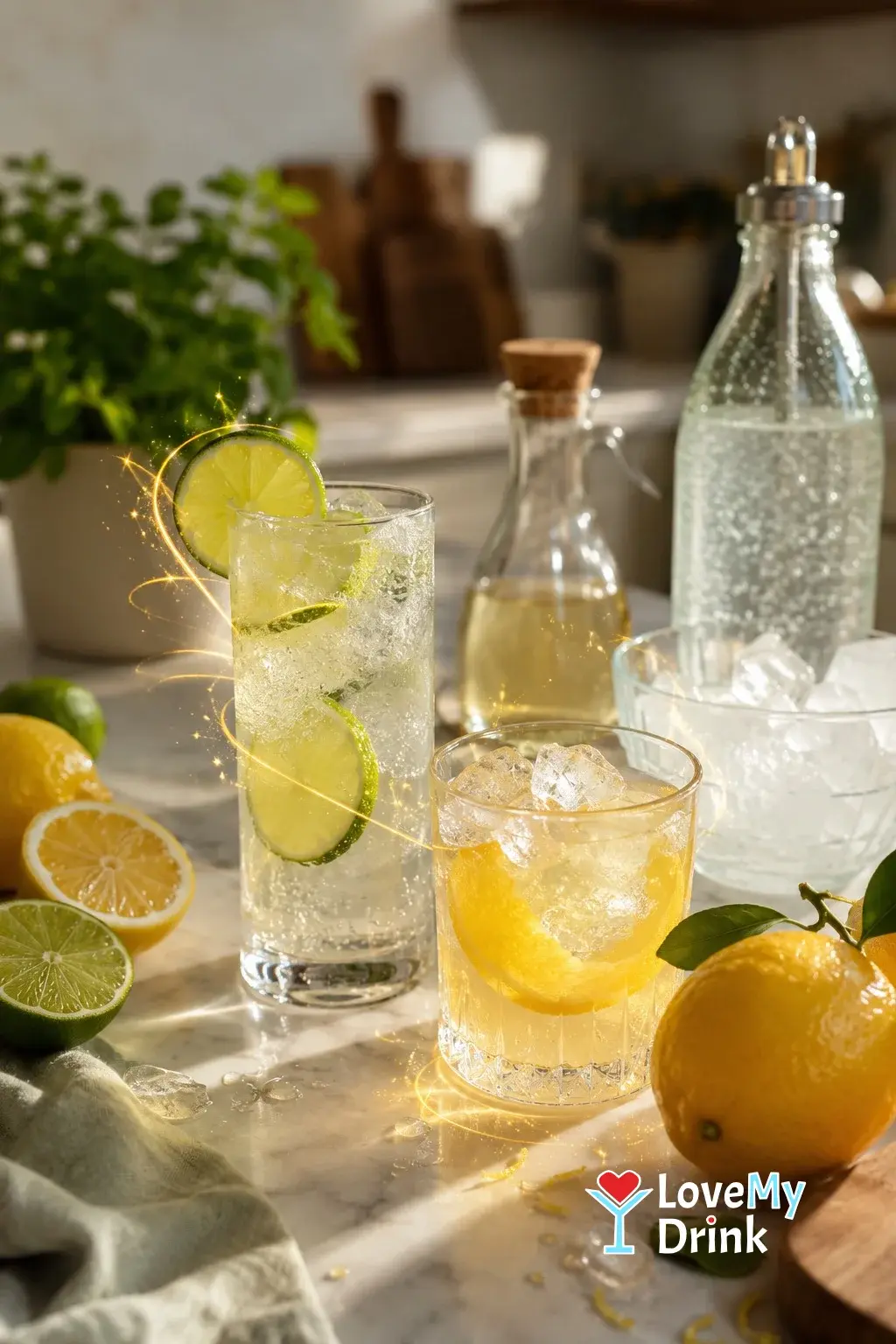
Once you have the basics, you can make plenty of beginner-friendly cocktails.
Start with drinks that teach you simple building blocks: citrus, bubbles, ice, sweetness and balance.
- Gin and Tonic
- Vodka Soda with Lime
- Mojito
- Margarita
- Daiquiri
- Whiskey Sour
- Cuba Libre
- Tequila Soda
- Tom Collins
- Aperol Spritz-style drinks
For a good next step, try our classic cocktails every home bartender should know. It gives you a simple base for learning the drinks that come up again and again.
A Paloma is another great beginner drink to add to this list. It uses simple home bar basics — tequila, citrus, ice and bubbles — but tastes bright, fresh and much more polished than the effort suggests. Try this easy Paloma recipe when you want a tall drink that feels sunny and refreshing.
FAQ
What is the first thing I should buy for a home bar?
Start with a jigger, shaker, citrus press and fresh citrus. Accurate measuring and fresh juice improve drinks more than most fancy tools.
How many bottles do I need for a beginner home bar?
Two or three base spirits are enough at the beginning. Choose bottles based on the drinks you actually want to make.
Do I need a cocktail shaker?
Yes, if you want to make drinks with citrus juice, syrup, fruit, cream or egg white. For simple mixed drinks like Gin and Tonic or Vodka Soda, you do not need one.
What glassware do beginners need?
Rocks glasses and highball glasses cover most beginner cocktails. Add coupe glasses later if you want drinks served without ice.
Is fresh lime juice really better than bottled?
Yes. Fresh lime juice tastes brighter and cleaner. Bottled lime juice often makes cocktails taste flat or harsh.
Final thoughts
A beginner home bar should make drinks easier, not more complicated.
Start with a few tools, fresh citrus, good ice, simple mixers and two or three bottles you actually like. Learn how to measure, shake, stir and taste for balance.
That is enough to make good drinks at home — and it leaves plenty of room to grow later.