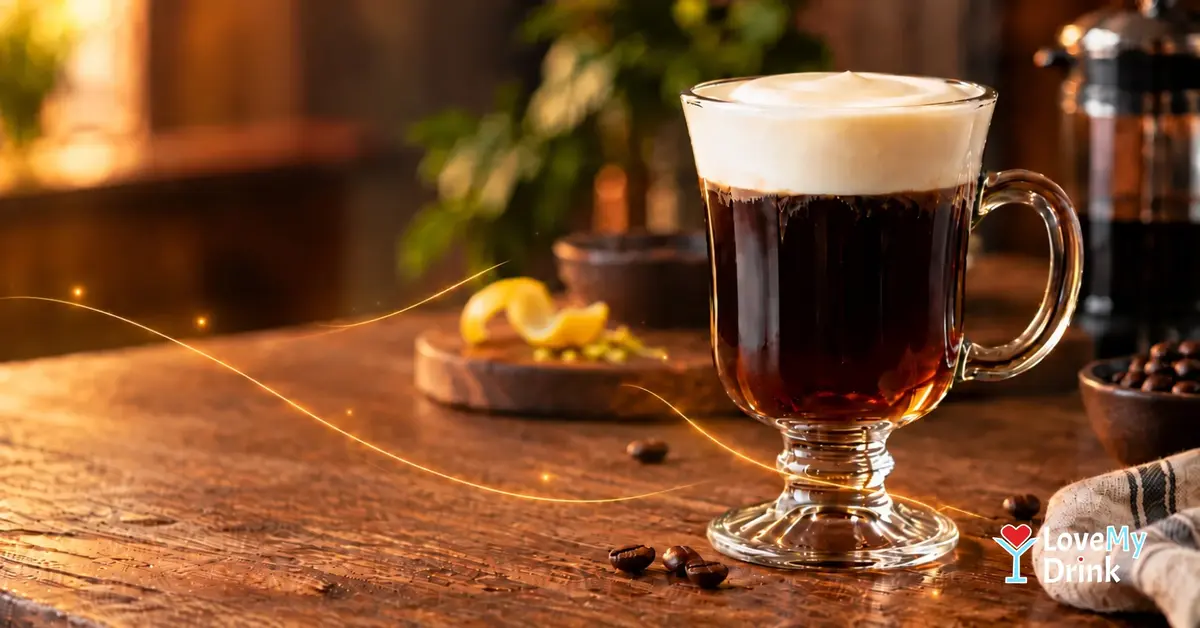
Cocktails That Still Taste Good After 30 Minutes
Approx. 8 min read
Why some cocktails handle 30 minutes better than others
A cocktail does not stop changing when you put it on the table. Ice keeps melting, the drink slowly warms and any carbonation begins to fade. In some cocktails, those changes are gentle. In others, they take away the thing that made the drink work in the first place.
The most forgiving slow-sipping cocktails tend to be still, spirit-forward and fairly concentrated. They do not rely on a cloud of foam, a frozen texture or sharp bubbles. If they are served over one large cube, they also tend to change more gradually than a drink sitting over lots of small, wet ice.
This is the idea behind the Love My Drink 30-minute glass test: think about how a cocktail tastes when freshly made, what changes around the middle of the glass, and whether it still feels balanced when you come back to it later. It is a practical home-drinking test, not a laboratory measurement. Room temperature, glass temperature and the quality of your ice all matter.
5 cocktails that still taste good after 30 minutes
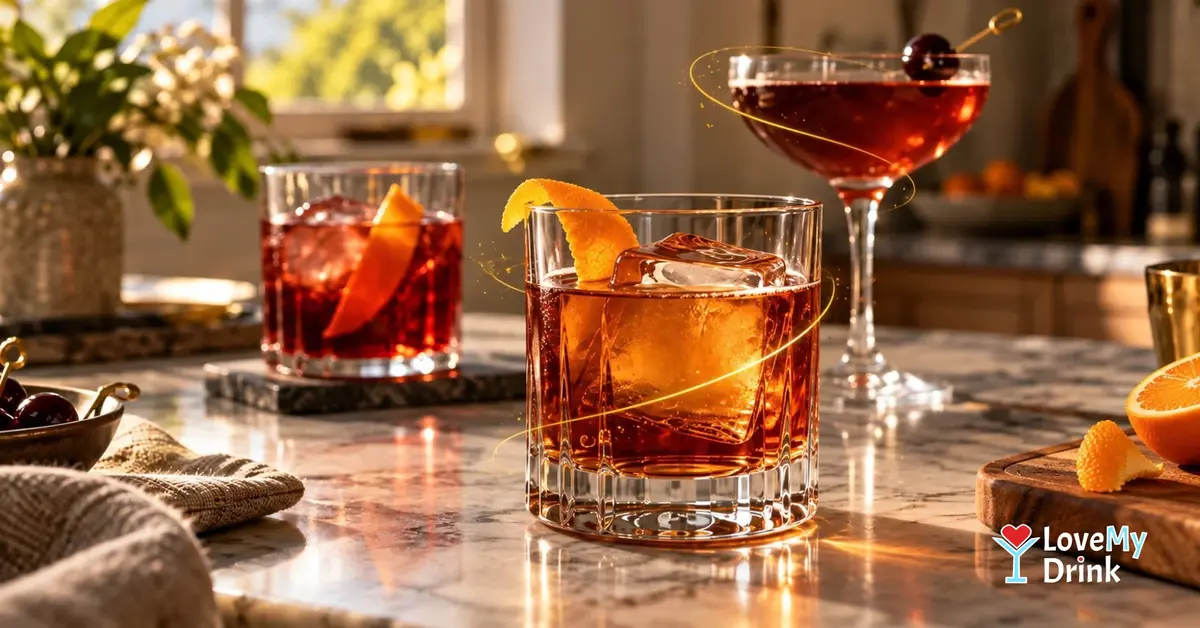
1. Old Fashioned
If you want one drink that makes sense for slow sipping, start here. An Old Fashioned is built from whiskey, a small amount of sweetness and bitters, so there is no carbonation to disappear and no delicate foam to collapse.
- 60 ml bourbon or rye whiskey (2 oz)
- 7.5 ml simple syrup (0.25 oz)
- 2 dashes aromatic bitters
- 1 large ice cube
- Orange peel
Add the whiskey, syrup and bitters to a mixing glass with ice. Stir until properly chilled, then strain over one large fresh cube and finish with orange peel.
What changes after 30 minutes: The drink becomes a little softer and more diluted, but the whiskey, bitters and sweetness can still stay recognisably in balance. One large, solid cube gives you a much better chance than a handful of already melting small cubes.
If you want the exact beginner-friendly method, use our Old Fashioned recipe.
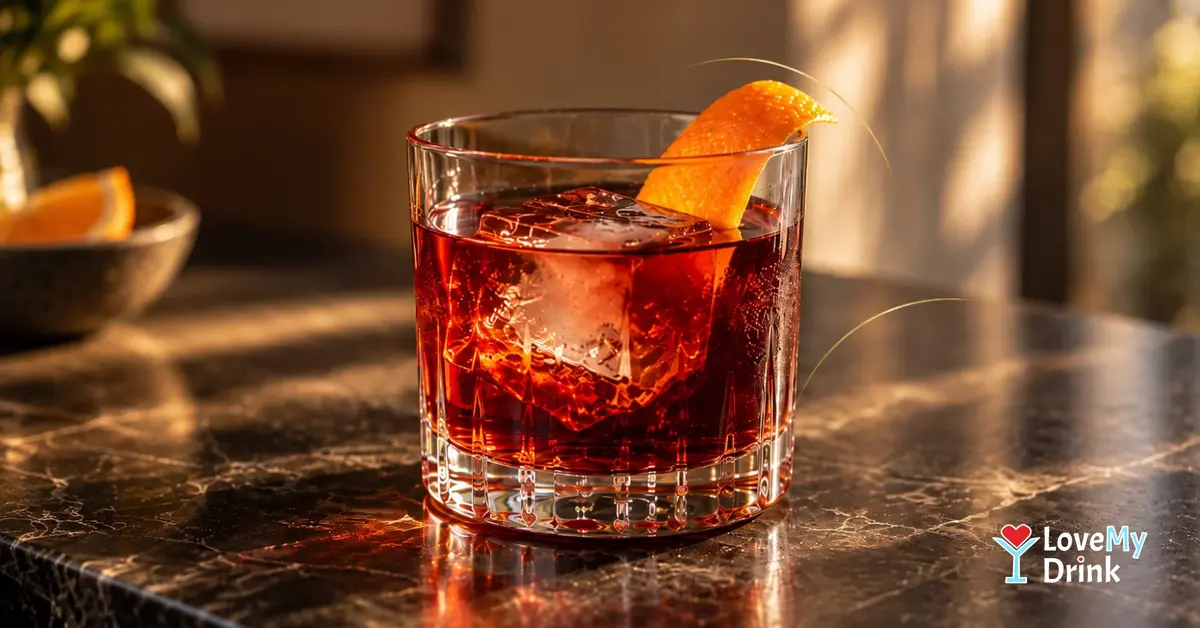
2. Negroni
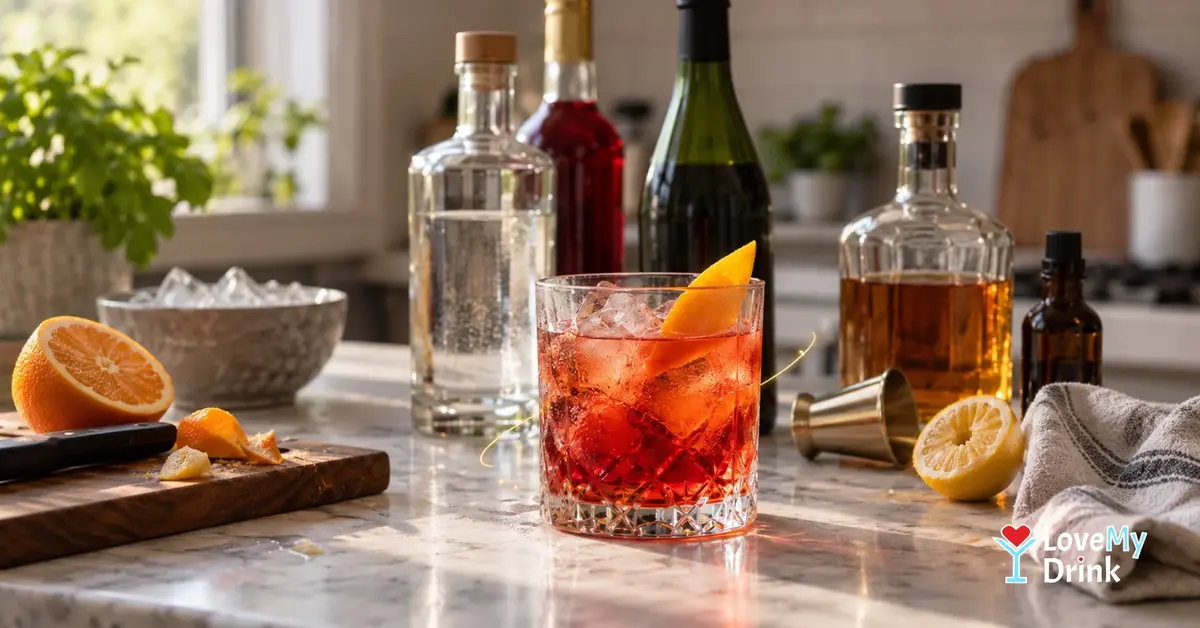
The Negroni is another great slow drink because it starts bold. Gin, Campari and sweet vermouth bring bitterness, sweetness, herbs and citrus in equal measure, and a little extra dilution can actually make those flavours feel less aggressive.
- 30 ml gin (1 oz)
- 30 ml Campari (1 oz)
- 30 ml sweet vermouth (1 oz)
- 1 large ice cube
- Orange peel or slice
Stir the gin, Campari and sweet vermouth with ice until cold. Strain over a large fresh cube and garnish with orange.
What changes after 30 minutes: Expect the bitter edge to feel softer and the drink to become more open and mellow. It will not taste exactly as it did at minute one, but it can still feel intentional rather than simply watered down.
Start with the classic equal-parts version in our Negroni 1:1:1 guide.
3. Boulevardier
Think of the Boulevardier as the Negroni's warmer, whiskey-led cousin. Bourbon or rye replaces gin, giving the drink extra weight and spice that stand up well as the temperature rises slightly.
- 45 ml bourbon or rye whiskey (1.5 oz)
- 30 ml Campari (1 oz)
- 30 ml sweet vermouth (1 oz)
- 1 large ice cube
- Orange peel
Stir everything except the garnish with ice until cold. Strain into a rocks glass over one large cube and express an orange peel over the top.
What changes after 30 minutes: The whiskey becomes a little rounder, while the Campari and vermouth lose some sharpness. The drink can still feel rich and complete, especially when it starts properly chilled.
4. Manhattan
A Manhattan has a different advantage: it is usually stirred and strained into a chilled glass without ice. That means it warms as you sip, but it does not keep taking on more water from melting cubes.
- 60 ml rye whiskey or bourbon (2 oz)
- 30 ml sweet vermouth (1 oz)
- 2 dashes aromatic bitters
- Cocktail cherry for garnish
Stir the whiskey, vermouth and bitters with ice until cold. Strain into a well-chilled coupe or Nick & Nora glass and garnish with a cherry.
What changes after 30 minutes: Temperature is the main shift. The drink will feel softer and less crisp, but the whiskey, vermouth and bitters still give it enough structure to remain interesting. A properly chilled glass helps enormously.
Our Manhattan 2:1 ratio guide shows how rye and bourbon change the final drink.
5. Black Russian
The Black Russian is almost comically simple: vodka, coffee liqueur and ice. That simplicity is exactly why it works here. There are no bubbles to lose and no citrus or foam that needs to feel freshly made.
- 50 ml vodka (1.7 oz)
- 25 ml coffee liqueur (0.8 oz)
- Fresh ice
Pour the vodka and coffee liqueur into a rocks glass over fresh ice and stir gently until chilled.
What changes after 30 minutes: The coffee sweetness becomes softer and the drink feels lighter as the ice melts. Use solid ice and do not overfill the glass with tiny cubes if you know you are going to take your time.
You can also find the Black Russian in our 2-ingredient cocktail list.
Cocktails that are much better fresh
Some drinks are almost the opposite of the five above. Their best feature is something temporary: bubbles, foam, crushed-ice texture or extreme cold. Leave them for half an hour and you may still have a drink, but not the same drink you made at the start.
- Aperol Spritz: the sparkling lift is part of the whole point. If you want one, make our easy Aperol Spritz when you are ready to drink it.
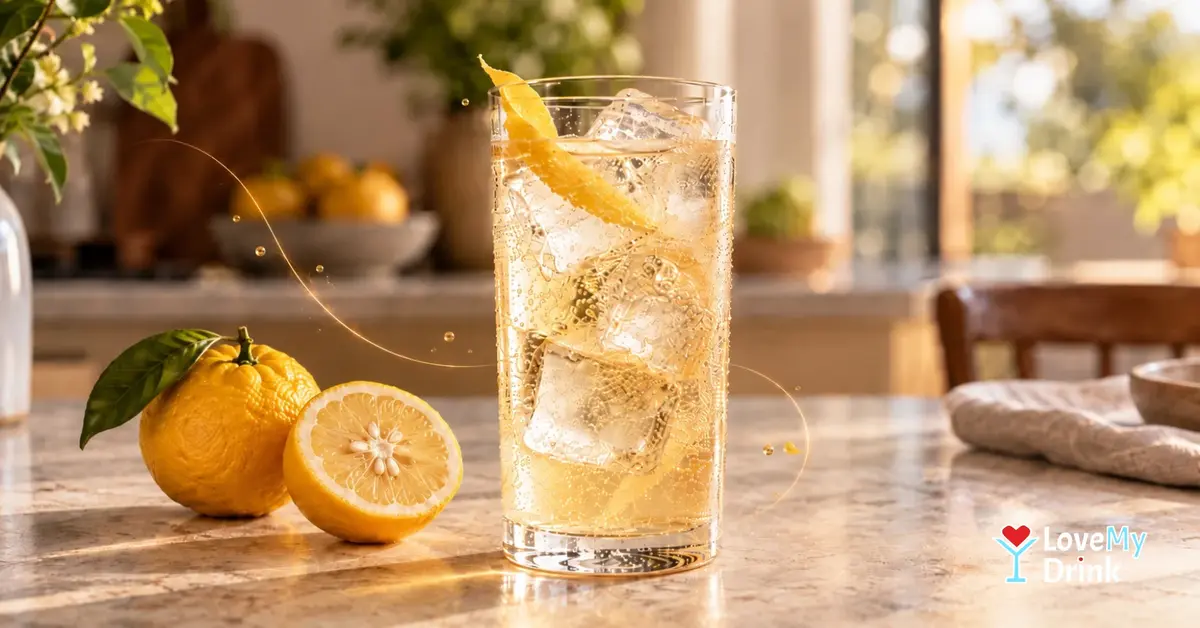
- Gin and Tonic: warming, melting ice and fading carbonation quickly make it feel flatter and less crisp.
- Whiskey Highball: cold temperature and lively carbonation are essential to its clean, refreshing character.
- Gin Fizz: the foam and fizz are at their best straight after serving.
- Frozen cocktails: once the frozen texture collapses, the balance can change very quickly.
The shortcut is simple: if the cocktail's personality comes from bubbles, foam or a frozen texture, drink it fresh. If it is still, strong and stirred, it usually has more room to evolve.
How to make a slow-sipping cocktail last longer
- Start properly cold. A lukewarm drink over ice has to do too much work before you even take the first sip.
- Use fresh, solid ice. Wet cubes that have already started melting give you less control over dilution.
- Use one large cube for short rocks drinks when it suits the recipe. It helps the drink change more gradually.
- Chill the glass for drinks served up. A cold Manhattan glass buys you more time before warmth becomes the main flavour change.
- Do not chase zero dilution. A little water is part of a balanced cocktail. The goal is controlled dilution, not a drink that never changes.
If ice is the part that keeps tripping you up, our guide to cocktail ice explains when to use regular cubes, one large cube or crushed ice.
FAQ about cocktails that sit for 30 minutes
Can you leave a cocktail for 30 minutes and still drink it?
For the spirit-forward cocktails in this article, 30 minutes is mainly a question of taste and texture. They will warm or dilute to some degree, but that does not automatically make them unpleasant. Drinks containing more perishable ingredients need their own storage and food-safety considerations.
Which cocktails get watery fastest?
Drinks served over lots of small or already melting ice can change quickly. Crushed-ice drinks are supposed to evolve as you drink them, but they are usually best enjoyed while that frosty texture is still part of the experience.
Does a large ice cube stop dilution?
No. Large ice still melts. It simply tends to help a short rocks drink change more gradually when the cube is fresh, solid and properly sized for the glass.
Is a stronger cocktail always better for slow sipping?
Not necessarily. Strength helps, but structure matters more. A still, spirit-forward drink with a stable flavour profile usually handles time better than a cocktail whose appeal depends on fresh bubbles, foam or frozen texture.
The simple rule for slow sippers
If you know your cocktail might sit beside you while dinner cooks, the conversation gets good or the movie starts, choose something still and spirit-forward. Old Fashioneds, Negronis, Boulevardiers, Manhattans and Black Russians all have enough structure to change without immediately falling apart.
And that is the interesting part: a good slow-sipping cocktail does not have to taste identical after 30 minutes. It just has to keep tasting good while it gets there.