What Is Pacharán? How It Tastes + 3 Easy Ways to Drink It
Approx. 7 min read
Pacharán in 30 seconds
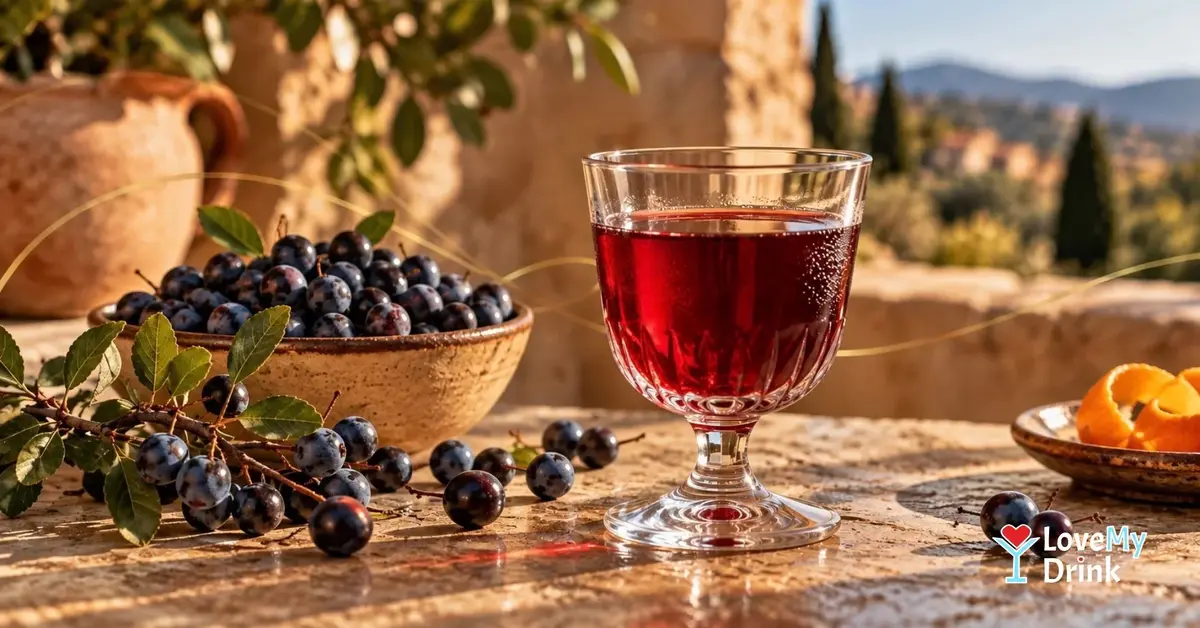
Pacharán is a Spanish spirit made by macerating sloes — the small dark fruit of the blackthorn — in ethyl alcohol of agricultural origin with natural anise extracts, anise distillates or both. The result is ruby-red, fruity, sweet and gently herbal rather than simply tasting like berries.
You will often hear Pacharán described casually as a Spanish sloe liqueur. Technically, European rules place it in its own category: a sloe-aromatised spirit drink. That distinction sounds formal, but the useful part is simple — sloes give it the fruit, anise gives it its unmistakable aromatic twist.
- Origin: Spain, with its strongest traditional connection to Navarre
- Base flavor: sloes plus anise
- Minimum strength: 25% ABV
- Taste: fruity, sweet-tart, gently aniseed-like and warming
- Classic moment: served cold after a meal
- Also written as: Patxaran, especially in Basque contexts
One more useful detail: under EU rules, the legal name “Pacharán” is reserved for products made in Spain. So this is not just a flavor idea. It is a defined Spanish spirit style.
What does Pacharán taste like?
The easiest way to imagine Pacharán is to start with the fruit and then add the anise. Sloes bring dark fruit, tartness and a slightly wild berry character. Sugar rounds that out. Anise then adds a soft licorice-like aroma that makes Pacharán taste very different from a standard berry liqueur.
- Fruit: dark berry and plum-like notes from the sloes
- Sweetness: clearly present, but the fruit can keep it from feeling flat
- Anise: aromatic and herbal, usually supporting the fruit rather than completely taking over
- Finish: warming, fruity and gently spiced
The exact balance changes by bottle. Some feel brighter and more fruit-led. Others show more sweetness or a clearer anise note. If you already know you dislike strong licorice flavors, do not assume Pacharán will taste like straight anisette — the sloe fruit changes the picture considerably.
Pacharán vs sloe gin: what is the difference?
The shared ingredient is the sloe, but that is where the comparison starts rather than ends.
- Pacharán: sloes macerated in agricultural alcohol with natural anise extracts or distillates. The defining flavor direction is sloe plus anise.
- Sloe gin: a gin-based sloe drink, so juniper and other gin botanicals can sit behind the fruit.
If you like sloe gin, Pacharán is worth trying because the fruit may feel familiar while the anise sends it somewhere completely different. Think cousin, not substitute.
How to drink Pacharán: try one bottle three ways
You do not need a special ritual. Try the same bottle in three simple serves and notice what changes. Keep the pours small — this is about finding your favorite version, not making three full drinks.

1. Chilled neat: taste the bottle clearly
- 30 ml Pacharán (1 oz)
Chill the bottle well, pour a small measure into a short glass and sip it without ice. This is the clearest first taste: fruit, sweetness and anise all stay concentrated.
Best if: you want to understand what Pacharán actually tastes like before mixing it with anything.
2. Over ice: make it colder and softer
- 40 ml Pacharán (1.35 oz)
- 1 large ice cube or a few solid cubes
Pour the Pacharán over fresh ice and give it a minute. The colder temperature softens the alcohol impression, while a little dilution can make the fruit feel brighter and the sweetness less concentrated.
Best if: neat Pacharán feels slightly too rich or warm for you.
3. With orange: the easiest long serve
- 40 ml Pacharán (1.35 oz)
- 80 ml orange juice or orange soft drink (2.7 oz)
- Ice
- Orange slice, optional
- Fill a small highball or rocks glass with ice.
- Add the Pacharán.
- Top with the orange juice or orange soft drink and stir gently.
- Add an orange slice if you like.
Pacharán with orange is also featured by the Pacharán Navarro regulatory council as a simple mixed serve. The 1:2 ratio here is a Love My Drink starting point rather than a fixed rule. Add a little more orange if you want it lighter, or pull it back if you want the sloe and anise to stay louder.
Best if: you want the easiest, most immediately friendly introduction to the bottle.
Which Pacharán serve should you try first?
- You want the clearest taste of the bottle: chilled neat
- You want it softer and colder: over ice
- You want something longer and fruitier: with orange
There is no prize for choosing the most traditional-looking option. Start with the serve that sounds good to you, then try another one next time.
What does “Pacharán Navarro” mean?
Navarre is the historic heartland of Pacharán, and “Pacharán Navarro” is a protected geographical indication. That means the name refers to Pacharán produced within Navarre under a more specific set of production rules.
Among those rules, Pacharán Navarro must finish between 25% and 30% ABV, use 125–300 g of sloes per liter of finished product and macerate for at least one month and no more than eight months.
For a beginner, you do not need to memorize those numbers. The useful takeaway is that “Pacharán” is the broader Spanish spirit category, while “Pacharán Navarro” points specifically to the protected Navarre tradition.
What should you eat with Pacharán?
Pacharán naturally belongs at the end of a meal, so dessert is the easiest place to start. If you want something alongside it, try dark chocolate or almond-based sweets such as turrón — both make an easy after-dinner pairing.
The low-effort hosting move is simple: chill the bottle, bring out a few small glasses after dinner and put dark chocolate or almond sweets on the table. It feels special without turning the evening into a formal tasting.
Pacharán FAQ
Is Pacharán the same as sloe gin?
No. Both use sloes, but Pacharán is defined by sloe fruit plus anise, while sloe gin uses gin as its base and can carry juniper and other gin botanicals. They can share a dark-fruit character, but they do not taste the same.
Is Pacharán sweet?
Yes. Pacharán is a sweetened spirit, although the exact sweetness varies by producer. EU rules set a range for sweetening products, so some bottles feel noticeably richer than others.
Does Pacharán taste strongly of anise?
You should expect anise to be noticeable, but the sloe fruit is also a defining part of the drink. In a balanced bottle, the anise supports the dark fruit rather than making the drink taste like straight licorice.
Should Pacharán be served cold?
Cold is the classic direction. Chill the bottle before serving, or pour it over ice. For storage, follow the producer’s instructions on the label rather than assuming the serving temperature is also the required storage temperature.
Do you drink Pacharán before or after dinner?
Traditionally, Pacharán is strongly associated with the after-meal moment. It works especially well when dinner is finished but nobody is ready to leave the table yet.
What is Patxaran?
Patxaran is the Basque form of the name. If you see Pacharán and Patxaran on bottles, menus or travel notes, they refer to the same general style of sloe-and-anise spirit.
Can Pacharán be used in cocktails?
Yes. Its fruit, sweetness and anise mean it can replace part of the sweet or aromatic component in a cocktail. Start simply: orange, citrus, soda and mint are easier partners than a recipe with five competing flavors.
If you enjoy discovering regional spirits this way
Pacharán is much easier to understand once you taste it instead of studying it. The same is true of plenty of regional bottles. Try our guides to Calvados, Shochu and Cachaça if you want another bottle explained through flavor and simple serves rather than vocabulary.
Start cold, then decide
Your first Pacharán does not need a tasting sheet or a complicated cocktail. Chill the bottle. Pour a little. Try it neat, then over ice, then with orange if you want something lighter.
Three small pours are enough to answer the only question that really matters: which version makes you want another sip?