What Does Cachaça Taste Like? 3 Easy Ways to Drink It
Approx. 8 min read
Cachaça can feel unfamiliar at first, especially if all you know is that it goes into a Caipirinha. The good news is that you do not need special vocabulary, a tasting class or three different bottles to understand it.
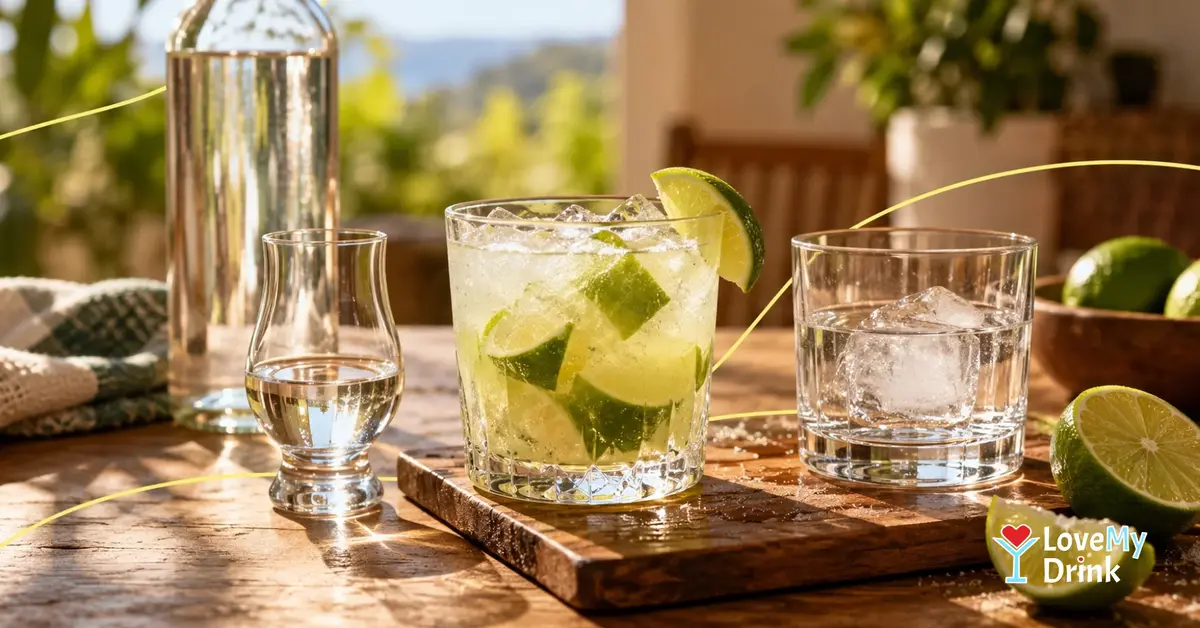
One bottle, three small pours and a lime are enough. Taste the same cachaça neat, over ice and in a simple Caipirinha, and you will quickly learn which version actually makes you want a second sip.
Cachaça in 30 seconds
If you are completely new to it, here is the useful version.
- Origin: Brazil
- Base ingredient: fresh sugarcane juice, not molasses
- Common styles: white or unaged, and aged versions with more wood and spice
- Typical strength: usually around 38% to 48% ABV, with many bottles at 40%
- Best first step: taste a small pour, then try it colder and then in a simple drink
That fresh sugarcane base is the part to remember. It is the reason cachaça can feel brighter, grassier and more raw-edged than many beginner drinkers expect.
What does cachaça taste like? Start with five anchors
Forget the tasting wheel for now. On a first bottle, broad flavor anchors are much more useful.
Fresh cane
This is the core idea. Good cachaça often gives a fresh sugarcane impression rather than a generic neutral alcohol taste. It can feel a little green, juicy or cane-like even when the spirit itself is clear.
Grassy or herbal
Many beginners notice this first. Some bottles feel lightly grassy, herbal or slightly vegetal. That does not mean something is wrong. It is part of the spirit's identity.
Fruity
Depending on the bottle, you may notice notes that feel like banana, citrus peel, tropical fruit or a soft orchard-fruit touch. This fruitiness is often clearer once the spirit is colder or slightly diluted.
Earthy
Some cachaças have a dry, earthy edge. It is usually more noticeable in a neat sip than in a mixed drink.
Warm, peppery or lightly funky
A little alcohol heat is normal. Some bottles also show a gently rustic or funky side, especially if you are comparing them with a softer, more polished spirit.
A brief comparison can help: cachaça may remind you of rum because both come from sugarcane, but it often tastes grassier and more direct because cachaça is made from fresh sugarcane juice. Use that as a rough reference only. The goal is not to force it into another category. It is to notice what this bottle is doing on its own.
White vs aged cachaça: the beginner shortcut
If you are buying your first bottle, do not overcomplicate the choice.
White or unaged cachaça
This is the easiest starting point if you want to make Caipirinhas and other bright drinks. It usually keeps more of the fresh cane, citrus-friendly and grassy character.
Aged cachaça
This is often a little rounder and can bring more wood, vanilla, spice or a softer finish depending on how and where it was aged. If you are more interested in sipping than mixing, aged cachaça may feel easier and gentler at first.
Neither style is automatically better. They simply point in different directions.
The Love My Drink Three-Pour Test
This is the easiest way to understand a bottle without turning it into a homework assignment. Keep the cachaça the same and change only the serve. You will learn more that way than by opening three unrelated bottles.
Pour about 15 to 20 ml (0.5 to 0.7 oz) for the neat and ice versions. Keep one lime and plenty of fresh ice nearby.

1. Taste it neat
Pour a small amount into a tasting glass, small wine glass or even a compact rocks glass. Smell it gently first, then take a small sip.
Do not try to identify ten flavors. Just ask:
- Does it feel grassy, fruity or earthy?
- Is the alcohol heat stronger than the flavor?
- Do you enjoy the direct cane character, or does it feel too sharp?
The first sip may feel firmer than the second. Give it a few seconds and try again before deciding.
2. Taste it over ice
Pour the same small amount over one large ice cube in a rocks glass. Let it sit for a minute, then sip again.
This version usually feels colder, softer and easier to read. A little dilution can calm the alcohol and make the fruit or cane notes clearer.
Ask yourself:
- Did the spirit become easier to enjoy?
- Did the grassy side soften?
- Did the fruit come forward more clearly?
If neat felt too aggressive but this feels good, that is useful information. It does not mean you are drinking it the wrong way. It means you found a better entry point.
3. Make a simple Caipirinha
If cachaça still feels abstract, put it in the serve that has introduced the spirit to countless drinkers.
Ingredients
- 50 ml (1.7 oz) cachaça
- 1 lime, cut into small wedges
- 2 teaspoons white sugar
- Ice
How to make it
- Put the lime wedges and sugar into a rocks glass.
- Gently press the lime just enough to release the juice. Do not crush the peel too aggressively or the drink can turn bitter.
- Fill the glass with ice.
- Pour in the cachaça and stir until the sugar is mostly dissolved and the drink is well chilled.
Now ask a different question: did the spirit suddenly make more sense?
Lime and sugar do not hide cachaça when the drink is balanced. They frame it. You should still notice that fresh, grassy cane personality, but now it sits inside a brighter, more inviting drink.
If cachaça tastes too strong, do this
A first neat sip can feel hotter than the flavors it is carrying. That does not automatically mean you dislike cachaça.
Try these small fixes first:
- Take a smaller sip instead of a bigger one.
- Let the spirit sit in the glass for a minute before trying again.
- Add one large ice cube and taste after a little dilution.
- Move straight into a Caipirinha if citrus usually helps you enjoy strong spirits.
- Do not judge the whole category from one large warm pour.
Small changes are enough here. You are trying to find your best version, not impress anyone with the strongest serve.
Use the result, not the rules
Your favorite version tells you what to do next.
Neat was your favorite
You probably enjoy the bottle in a more direct way. Try another neat pour on a different day, or explore an aged cachaça if you want something rounder and more wood-led.
Ice was your favorite
You may simply prefer cachaça colder and softer. Drink it on the rocks, or turn it into a longer highball later.
The Caipirinha was your favorite
That is a very common and very good answer. Citrus and sugar often make cachaça click for beginners without hiding what makes it distinctive.
You liked the idea more than the neat sip
Try a different bottle before giving up entirely. Some cachaças are noticeably softer, fruitier or more polished than others.
If you enjoy learning spirits this way
If you like practical beginner guides that help you taste one bottle on purpose, these are the best next reads:
- Bourbon for Beginners: What It Is, How to Taste It & How to Drink It
- Mezcal for Beginners: How to Drink It and 3 Easy Ways to Try It
- What Is Calvados? How It Tastes, How to Drink It & What to Buy First
They follow the same basic idea: start simple, taste on purpose and let the bottle show you what direction makes sense.
Cachaça FAQ
Is cachaça sweet?
Cachaça is not usually sugary sweet on its own. It comes from sugarcane juice, but after fermentation and distillation it tastes more grassy, fruity, earthy or cane-like than dessert-sweet.
Can you drink cachaça straight?
Yes. A small neat pour is a completely valid way to try it. If the first sip feels too strong, try it over ice or move into a simple Caipirinha.
Does cachaça taste like rum?
Sometimes a little, but not exactly. Both come from sugarcane, yet cachaça often feels grassier and more direct because it is made from fresh sugarcane juice rather than molasses.
What cachaça should a beginner buy first?
If you want to mix Caipirinhas, start with a white or unaged bottle. If you are more interested in sipping, a lightly aged cachaça can be easier and rounder.
Is cachaça stronger than rum?
Not necessarily. Many bottles sit around 40% ABV, which is comparable to many rums and other common spirits.
Final sip
You do not need a perfect tasting note to understand cachaça. You just need one bottle and a simple way to compare it.
Taste it neat. Taste it over ice. Taste it in a Caipirinha. Then trust the version you actually enjoyed. That is the fastest way to make cachaça feel like a drink you want to pour again, not just a spirit you read about once.