What Is Calvados? How It Tastes, How to Drink It & What to Buy First
Approx. 8 min read
What is Calvados? Start with the cider
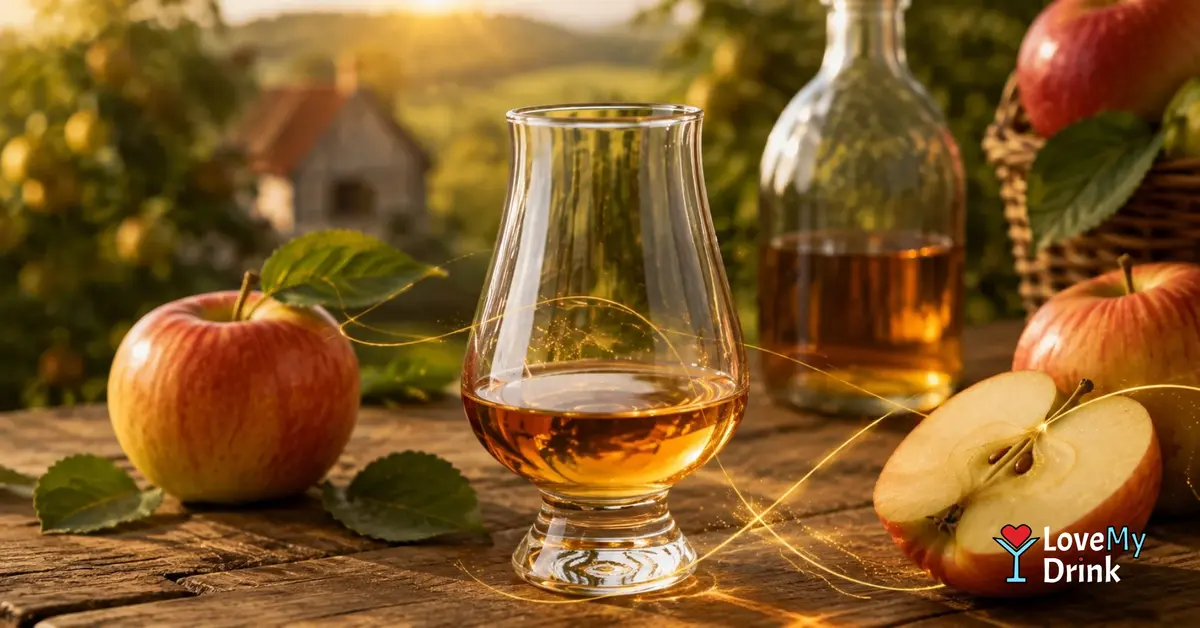
Calvados is a protected spirit from Normandy, France, distilled from cider or perry and then aged in oak. That detail matters: the fruit is fermented first. Calvados is not simply apple-flavored alcohol, and it is not an apple liqueur.
For a beginner, the useful definition is simple: cider gives it the orchard fruit, distillation gives it strength and concentration, and oak adds more spice, caramel and wood as the spirit matures.
- Origin: Normandy, France
- Base: fermented cider or perry made from approved cider apples and perry pears
- Process: fermentation, distillation and oak aging
- Main appellations: Calvados, Calvados Pays d’Auge and Calvados Domfrontais
- Minimum bottling strength: 40% ABV
What does Calvados taste like? Follow the fruit to the oak
The easiest way to read Calvados is as a little journey from orchard to barrel. Think fresh fruit → baked fruit → spice → oak. Not every bottle travels the same distance, but the map gives you somewhere useful to start.
- Fresh fruit: crisp apple, pear, blossom and bright orchard aromas
- Baked fruit: baked apple, dried fruit and softer, richer fruit notes
- Spice: cinnamon, clove, baking spice or gentle peppery warmth
- Oak: vanilla, caramel, toasted wood, nuts or chocolate in more mature styles
Younger Calvados often sits closer to the fresh-fruit end of the map. Longer aging can move the balance toward developed fruit, spice and oak. Your first job is not to name every aroma. It is to notice which end of that map makes you want another sip.
Which Calvados should a beginner buy? Use Pick Your Pour
Before comparing producers, ages and French words, decide what job you want the bottle to do. This is the Love My Drink Pick Your Pour shortcut.
For cocktails and highballs
Start young and fruit-forward. A VS is an easy place to look because fresh apple and floral notes are more likely to stay lively beside tonic, citrus or bubbles.
For neat pours and ice
A younger bottle can still work beautifully, but VSOP is a useful step when you want a little more roundness, spice and oak without moving straight into a much older bottle.
For a slow after-dinner pour
Look toward XO or another more mature expression if richer fruit, caramel, spice and oak are the part that sounds most appealing. Extra age is not automatically better; it is simply a different direction.
For something with a clear pear connection
Remember one word: Domfrontais. At least 30% perry pears are used to make the cider for distillation, giving this appellation a particularly useful point of difference for curious beginners.
The shortcut: do not buy the most impressive age statement. Buy the bottle that fits the pour you actually want tonight.
How to read a Calvados label without overthinking it
There are three Calvados appellations. They share the same Normandy identity, but their production rules are not identical.
- Calvados: the broadest appellation. Pot or column distillation may be used, and the spirit is aged for at least 2 years in oak.
- Calvados Pays d’Auge: pot-still double distillation is required, followed by at least 2 years in oak.
- Calvados Domfrontais: continuous column distillation is used, at least 30% perry pears go into the cider for distillation, and aging is at least 3 years in oak.
VS, VSOP and XO in plain English
For blends, the age indication refers to the youngest Calvados in the blend. These are the label terms worth remembering:
- VS: at least 2 years
- Reserve / Old: at least 3 years
- VSOP / V.O. / Vieille Réserve: at least 4 years
- XO / Hors d’Âge / Extra / Napoleon: at least 6 years
If you ever want the full regulatory wording, the official Calvados label guide lists the recognized age terms. For your first bottle, the shorthand above is enough.
Use age as a clue to style, then go back to Pick Your Pour.
How to drink Calvados for the first time

There is no single correct serve. A small neat pour shows you the spirit most clearly, ice makes it colder and softer, and tonic turns a young Calvados into a genuinely easy long drink.
Affiliate disclosure: This article contains an affiliate link. If you buy through it, Love My Drink may earn a commission at no extra cost to you. As an Amazon Associate, we earn from qualifying purchases.
For a neat pour, a tulip-shaped glass helps concentrate the aroma. If you want a dedicated set, these tulip-shaped tasting glasses are a practical option. A small wine glass works too, so special glassware should never be the thing that stops you opening the bottle.
Neat: see the bottle clearly
Pour about 15–20 ml (0.5–0.7 oz) at room temperature. Smell gently, then take a small sip. Look for the direction rather than a perfect tasting note: fresh apple or baked fruit? Light spice or deeper oak? Bright or round?
Over ice: make it softer
Add one fresh ice cube to a small pour. Cold can soften the alcohol impression, while dilution changes the texture as the ice melts. If that makes the glass more enjoyable, keep drinking it that way.
With tonic: make it easy

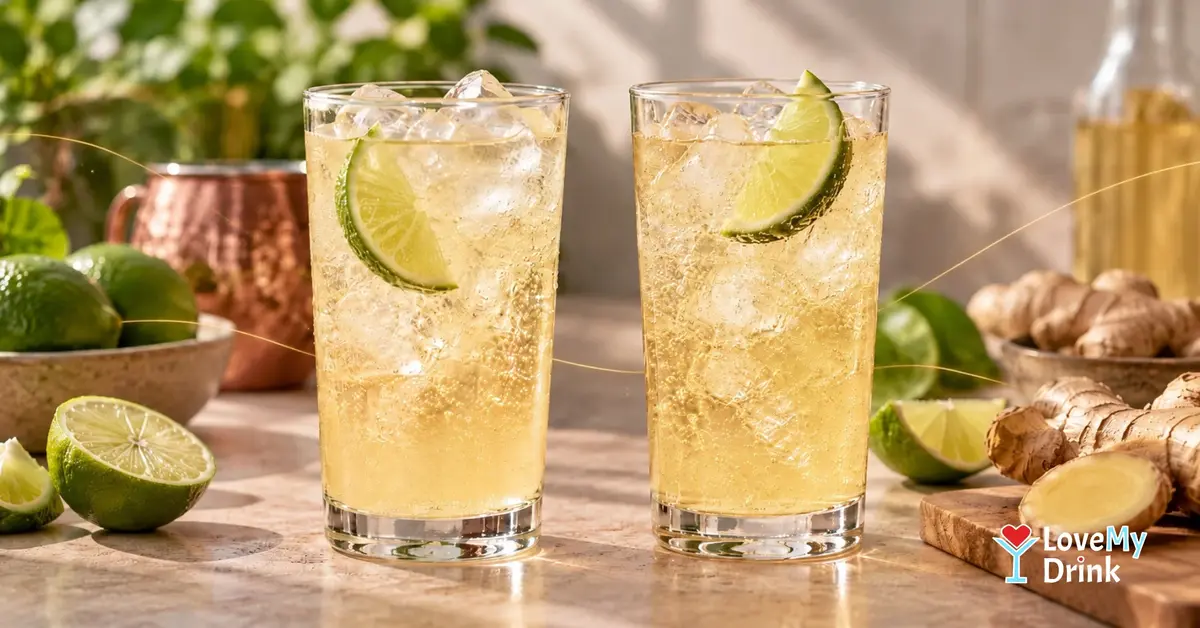
Fill a tall glass with ice, add 40 ml (1.35 oz) Calvados VS and top with 120 ml (4 oz) tonic water. Finish with a lime wheel or a slice of green apple. It is a simple 1:3 highball that keeps the young Calvados fresh and recognizable.
Can you use Calvados in cocktails? Yes — keep the apple visible
Young Calvados is especially useful in cocktails because its fruit and floral character can stay clear beside citrus, tonic, sparkling wine, ginger or bitters. You do not need a complicated recipe to make it feel modern.
After the Calvados & Tonic, try familiar structures: a sour-style drink for brightness, an Old Fashioned-style build when you want the spirit to lead, or a sparkling serve for something lighter. If the spirit-forward route sounds good, our Old Fashioned guide for beginners explains the basic whiskey-sweetness-bitters structure before you experiment.
There is one useful rule: do not bury the reason you bought Calvados. If the finished drink could be made with any spirit and taste the same, pull the mixers back.
Easy food pairings for Calvados
At the table, the easiest matches are flavors that already feel at home with orchard fruit, warm spice and oak.
- Apple tart or tarte tatin
- Dark chocolate or chocolate cake
- Camembert and other Normandy-style cheeses
- Nutty desserts
- Coffee after dinner
For hosting, this is the low-effort move I like most: bring one bottle to the table with dessert, pour small glasses and let everyone choose neat or ice. It feels considered without turning dinner into a formal tasting.
Calvados vs Cognac vs Applejack: the 20-second difference
- Calvados: a protected Normandy spirit distilled from cider or perry, based on apples and, depending on the style, pears.
- Cognac: a protected French brandy from the Cognac region made from grapes.
- Applejack: an American apple spirit with different production traditions and no Calvados appellation rules.
If you already enjoy aged brown spirits, Calvados can feel familiar through its oak, spice and warmth, but the orchard character changes the whole direction. For another beginner-first bottle guide, our Bourbon for Beginners guide takes a different route into whiskey.
Calvados FAQ
Is Calvados sweet?
Not necessarily. Apple, pear, vanilla and caramel aromas can suggest sweetness, but Calvados is a distilled spirit rather than an apple liqueur. The impression changes with the bottle, age and serve.
Is Calvados an apple brandy?
In everyday English, Calvados is often described as Normandy apple brandy. More precisely, it is distilled from fermented cider or perry rather than directly from raw apples or pears, and it must follow the rules of one of the three Calvados appellations.
Can you drink Calvados with ice?
Yes. Ice can make a younger Calvados feel colder, softer and more relaxed. You may lose a little aroma, but enjoyment matters more than serving it by a rule book.
How strong is Calvados?
Calvados must be at least 40% ABV when sold. Some cask-strength bottlings can be stronger, so check the label before pouring.
What Calvados should a beginner buy first?
For cocktails and highballs, start with a younger, fruit-forward bottle such as a VS. For neat pours or ice, VSOP is a useful step toward more spice and oak. Choose by how you plan to drink it rather than by age alone.
The bottle should fit the pour
Calvados gets much easier once you stop shopping for the “best” bottle and start shopping for the moment. Crisp highball? Start young. Slow after-dinner glass? Go more mature. Curious about pear? Look for Domfrontais.
Pick your pour first, then read the label. That is enough to make your first bottle feel less mysterious — and much more likely to get opened.