What Is Pisco? How It Tastes + 3 Easy Ways to Drink It
Approx. 8 min read
Pisco in 30 seconds
Pisco is a grape brandy produced in Peru and Chile under different national rules. It is distilled from fermented grape juice or wine, so the grape itself stays much more noticeable than it does in many neutral spirits.
- What it is: grape brandy
- Produced in: Peru and Chile
- Taste: grape-forward, fruity and sometimes floral, with the exact character depending on the grapes and production style
- Strength: commonly around 30–48% ABV, depending on the country and style
- Easy first mixed drink: Chilcano
- Most famous cocktail: Pisco Sour
You do not need to memorise every grape or legal category before your first pour. The easiest way to understand pisco is to taste the same bottle in a few very different ways and notice what stays in the glass.
What does pisco taste like?
The first thing to expect is grape character. Depending on the bottle, that can mean ripe fruit, citrus, white flowers or a softer, more restrained wine-like aroma. Pisco can feel surprisingly fragrant if you are used to vodka, but it should still taste dry rather than like grape juice.
Aromatic grape varieties can push the floral and fruity notes higher. Less aromatic varieties give a quieter nose and let the spirit feel more structured. Production matters too: Peruvian pisco is not aged in wood, while Chilean rules allow wood ageing, so some Chilean bottles can show rounder, more mature flavours.
The useful beginner rule is simple: smell first, then take a small sip. That gives you a reference point before citrus, sweetness or bubbles start changing the drink.
Peruvian vs Chilean pisco: the simple version
Both Peru and Chile make pisco, but they follow different production rules. You do not need the full legal rulebook to choose a bottle — just a few clues that actually affect what ends up in the glass.
Peruvian pisco
- Made from authorised pisco grapes and distilled to its final strength without adding water after distillation.
- Rested in inert containers rather than aged in wood, which keeps the spirit focused on fresh grape character.
- Common label terms include Puro, Acholado and Mosto Verde.
- Usually bottled between 38% and 48% ABV.
Chilean pisco
- Produced under a separate Chilean denomination of origin with its own authorised grape rules.
- Strength categories start at 30%, 35%, 40% and 43% ABV depending on the style, with Gran Pisco starting at 43%.
- Can be rested or aged in wood, so some bottles stay fresh and grape-led while others taste rounder and more mature.
Neither system makes every bottle taste the same. Think of the country and label as useful clues, then let the actual aroma and texture of the bottle decide how you want to drink it.
How to drink pisco: try the 3-Glass Test
This is the Love My Drink way to learn pisco without turning your evening into a spirits exam. Use the same bottle for three small serves: neat, long and fizzy, then shaken as a sour. Three small glasses are enough to show how the same spirit changes with bubbles, citrus, sweetness and texture.
1. Neat — taste the bottle first
Start here because this is the only glass with nowhere for the pisco to hide.
What you need
- 30 ml / 1 oz pisco
- A small wine, tasting or cordial glass
How to drink it
- Pour the pisco at cool room temperature or lightly chilled.
- Smell the glass before you sip.
- Take one small sip and notice whether the bottle feels fruity, floral, dry, soft or more spirit-forward.
Love My Drink tip: Skip the freezer for this first taste. Very cold spirit can mute the aromas you are trying to notice.
2. Chilcano — the easiest refreshing serve
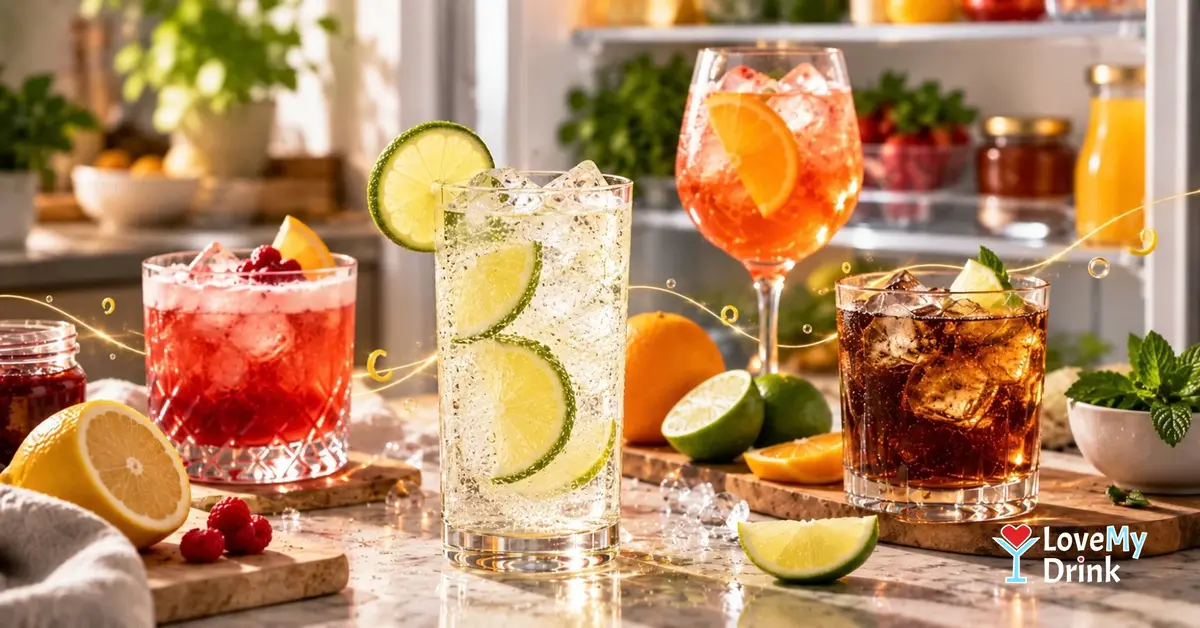
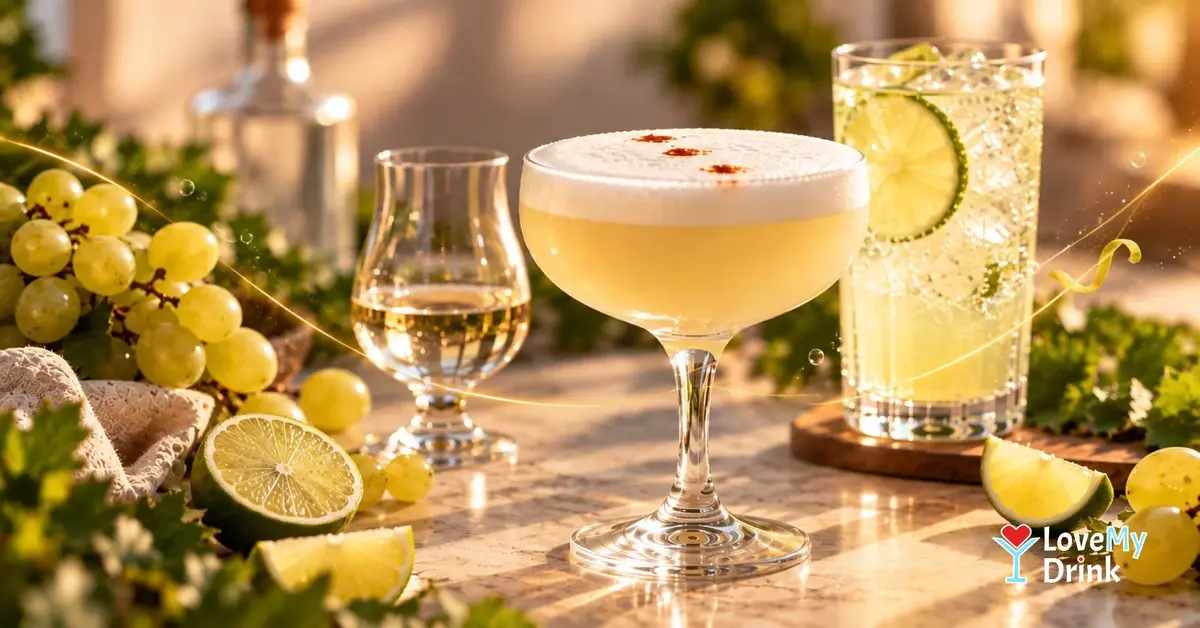
If neat pisco feels a little intense, make a Chilcano. Ginger ale, lime and plenty of ice lengthen the spirit without covering it completely. It is quick, fizzy and probably the easiest pisco drink to make at home.
Ingredients
- 50 ml / 1.7 oz pisco
- 15 ml / 0.5 oz fresh lime juice
- 100–120 ml / 3.5–4 oz chilled ginger ale
- 1–2 dashes aromatic bitters, optional
- Ice
- Lime wedge or peel, for garnish
How to make it
- Fill a highball glass with fresh ice.
- Add the pisco and lime juice.
- Top with chilled ginger ale and stir gently.
- Add bitters if you like, then garnish with lime.
Love My Drink tip: Taste before adding more lime. Ginger ales vary a lot in sweetness and spice, so one small adjustment is better than rebuilding the whole glass.
3. Pisco Sour — make the iconic one
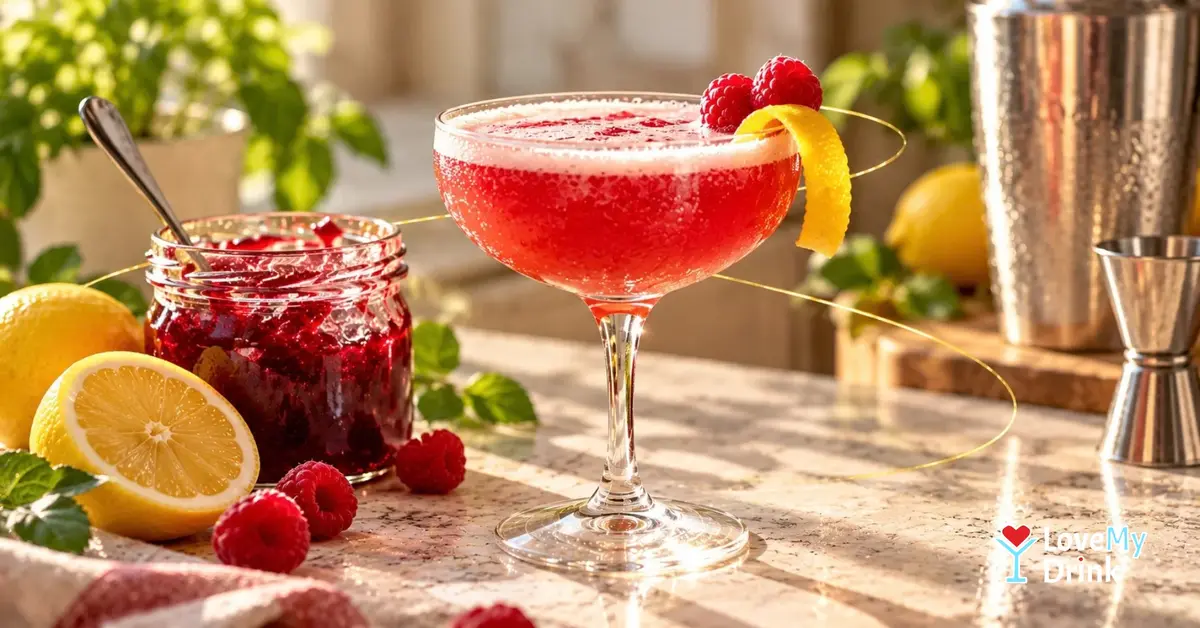
The Pisco Sour takes more effort, but it shows why pisco works so well with citrus. The spirit brings the aroma, lime adds brightness, syrup rounds the edges and egg white gives the drink its familiar silky foam.
Ingredients
- 60 ml / 2 oz pisco
- 30 ml / 1 oz fresh lime juice
- 20 ml / 0.7 oz 1:1 simple syrup
- 15–20 ml / 0.5–0.7 oz pasteurised egg white, or aquafaba for an egg-free version
- 2–3 dashes aromatic bitters
- Ice
Use a standard 1:1 simple syrup here. A richer 2:1 syrup is more concentrated, so the same volume would make the drink noticeably sweeter.
How to make it
- Add the pisco, lime juice, simple syrup and egg white or aquafaba to a shaker without ice.
- Shake firmly for about 10 seconds to build foam.
- Add plenty of ice and shake again until very cold.
- Fine-strain into a chilled coupe or small rocks glass.
- Finish with 2–3 dashes of bitters on the foam.
Love My Drink tip: The two-stage shake is doing two jobs: first building texture, then chilling and diluting the drink. Keep the first shake energetic and the second one cold.
Which way should you try first?
- Want to understand the bottle? Start neat.
- Want something easy and refreshing? Make the Chilcano.
- Want the classic cocktail experience? Shake the Pisco Sour.
If you have enough pisco for three small pours, do all three in that order. The point is not to rank them. It is to notice how much of the grape character survives as you add bubbles, citrus, sweetness and texture.
What pisco should a beginner buy?
You do not need the most expensive bottle on the shelf. Start with a clearly labelled bottle that tells you the country, style and alcohol strength.
If you are choosing Peruvian pisco
- Puro: made from one grape variety — useful if you want a clear sense of one grape's character.
- Acholado: a blend of grape varieties — an easy all-round choice for sipping and cocktails.
- Mosto Verde: made from partially fermented grape must and often richer or rounder in style.
If you are choosing Chilean pisco
Check the alcohol strength and whether the bottle has been wood-aged. A fresh, non-wood-aged style around 35–40% ABV is an easy place to start if you want to use the same bottle for the full 3-Glass Test.
Whichever country you choose, buy one bottle and learn it properly before collecting five more. Pisco gets much easier once you stop treating every label as a new exam.
Pisco FAQ
Is pisco a brandy?
Yes. Pisco is a grape brandy: a spirit distilled from fermented grape juice or wine. What makes it distinctive is the grape selection and the production rules used in Peru and Chile.
Is pisco the same as grappa?
No. Pisco is distilled from fermented grape juice or wine. Grappa is made from grape pomace — the skins, seeds and other solids left after winemaking. They can both show strong grape character, but they start from different raw material.
Can you drink pisco straight?
Absolutely. A small neat pour is one of the best ways to learn a new bottle because you can smell and taste the grape character without citrus, sugar or mixers changing it.
Is pisco Peruvian or Chilean?
Both Peru and Chile produce spirits called pisco under their own national denominations and production rules. The countries have a long-running dispute over the name and its origin, so the most useful beginner approach is to treat Peruvian and Chilean pisco as two distinct regulated traditions rather than trying to force them into one identical style.
How strong is pisco?
It depends on the style. Peruvian pisco is generally bottled at 38–48% ABV, while Chilean categories start at 30%, 35%, 40% and 43% ABV depending on the style, with Gran Pisco starting at 43%. Check the bottle before you pour, especially if you are switching between countries.
Final sip
Do not start by memorising pisco. Start by pouring it three ways.
Taste it neat. Give it bubbles in a Chilcano. Then shake the classic Pisco Sour. One bottle, three glasses, and the category suddenly makes much more sense.