Aromatic vs Orange Bitters: Which Should You Use in Cocktails?
Approx. 7 min read
The quick answer: which bitters should you use?
Think of cocktail bitters as seasoning. You add a dash or two, but that tiny amount can change how the whole drink smells and tastes. The trick is choosing the flavour you want, not reaching for whichever bottle happens to be closest.
- Choose aromatic bitters for warm spice, herbs and a rounded, layered finish. They are the familiar starting point for an Old Fashioned or Manhattan.
- Choose orange bitters for a brighter citrus-peel aroma with its own bitter and sometimes spicy edge. They are especially lovely in a gin Martini.
- Use both when you want the warmth of aromatic bitters with a little orange lift. An Old Fashioned is an easy place to try that combination.
Neither type is automatically better or less bitter. Recipes vary from brand to brand. You are choosing a direction for the drink, not an exact strength rating.
How aromatic and orange bitters change the taste
Aromatic bitters: warm, spiced and layered
Aromatic bitters commonly bring notes of herbs, baking spice, roots and dried fruit. In a whiskey cocktail, they can make the spirit and a small amount of sugar taste more connected. You notice the finish as much as the first sip.
Imagine an Old Fashioned that feels cosy rather than sweet. That is the kind of job aromatic bitters do beautifully.
Orange bitters: citrus peel, not orange juice
Orange bitters tend to lead with orange-peel aroma, supported by bitter botanicals and often some spice. They can make a gin-and-vermouth drink smell fresher or give whiskey a brighter edge without adding a splash of juice.
The important distinction: orange bitters are not orange juice, orange syrup or orange liqueur. They are a concentrated flavouring, used in dashes rather than pours. And some orange bitters are quite spicy, so do not assume every bottle will taste delicate.
Old Fashioned, Manhattan or Martini: which bottle wins?
Here is the fastest way to pick the right bottle for three familiar drinks. These are starting points, not rules you have to follow.
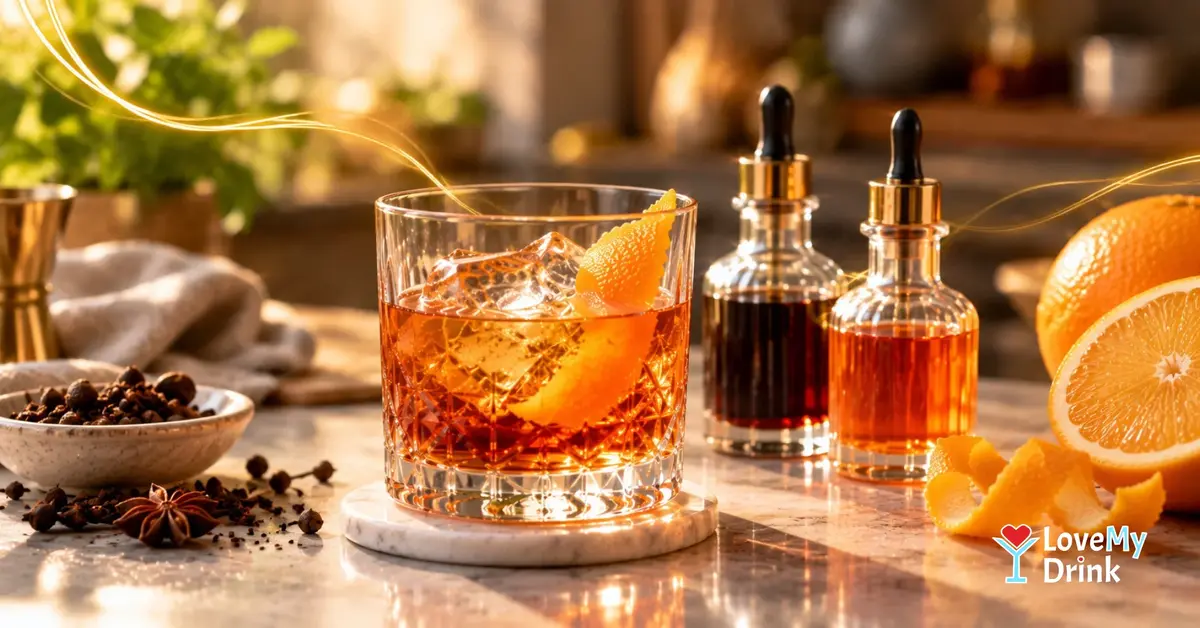
- Old Fashioned: Aromatic for a warm, spiced backbone. Try one dash each of aromatic and orange for a brighter variation.
- Manhattan: Aromatic for the classic whiskey-and-vermouth balance. Orange creates a more citrus-led variation, not an identical swap.
- Gin Martini: No bitters needed, but one dash of orange can add a fresh peel aroma. Aromatic makes a more pronounced, spiced variation.
Old Fashioned: start aromatic, then try a split
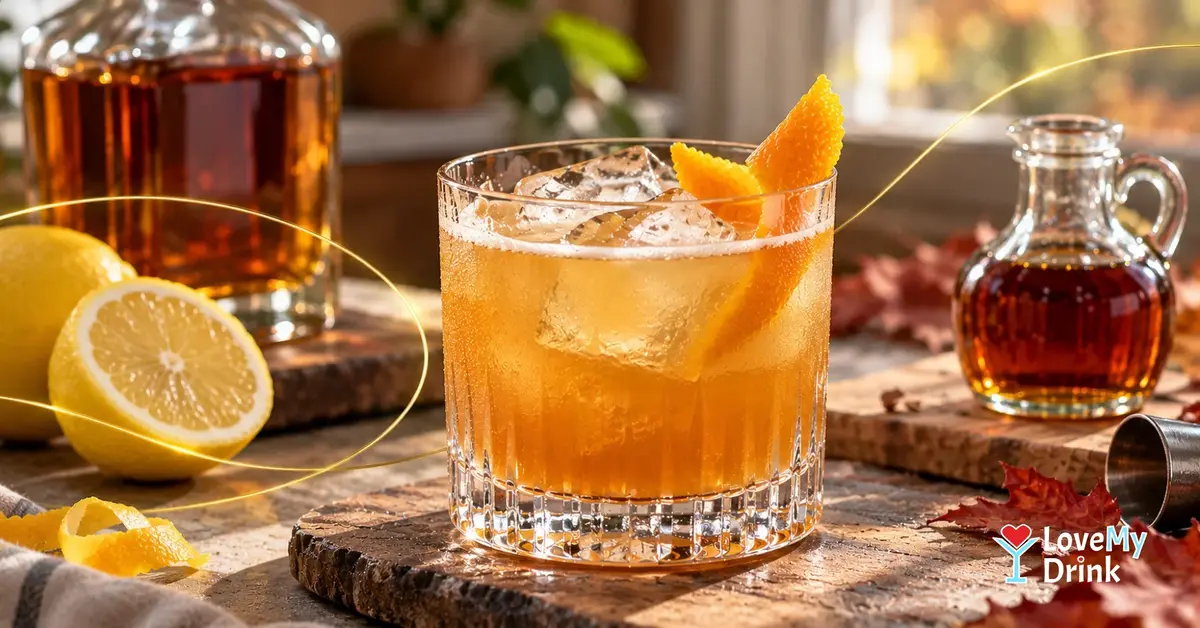
For a familiar Old Fashioned, start with two dashes of aromatic bitters alongside whiskey and a small measure of simple syrup. That gives you the classic spiced backbone.
Want something a little brighter? Try one dash aromatic plus one dash orange. Keep the whiskey, syrup and stirring exactly the same so you can notice what changed. A twist of fresh orange peel is still a lovely finishing touch.
New to the drink? Start with our easy Old Fashioned recipe, then swap only the bitters in your next glass.
Manhattan: aromatic is the classic starting point
A Manhattan's whiskey and sweet vermouth already have plenty of character. Aromatic bitters add a spiced accent that fits naturally between them. Orange bitters can make an interesting variation, but the result will taste different from the usual classic.
If you are learning the drink, make it once with aromatic bitters before experimenting with orange. One change at a time tells you much more than changing the whiskey and vermouth too.
Martini: orange bitters can bring a subtle lift
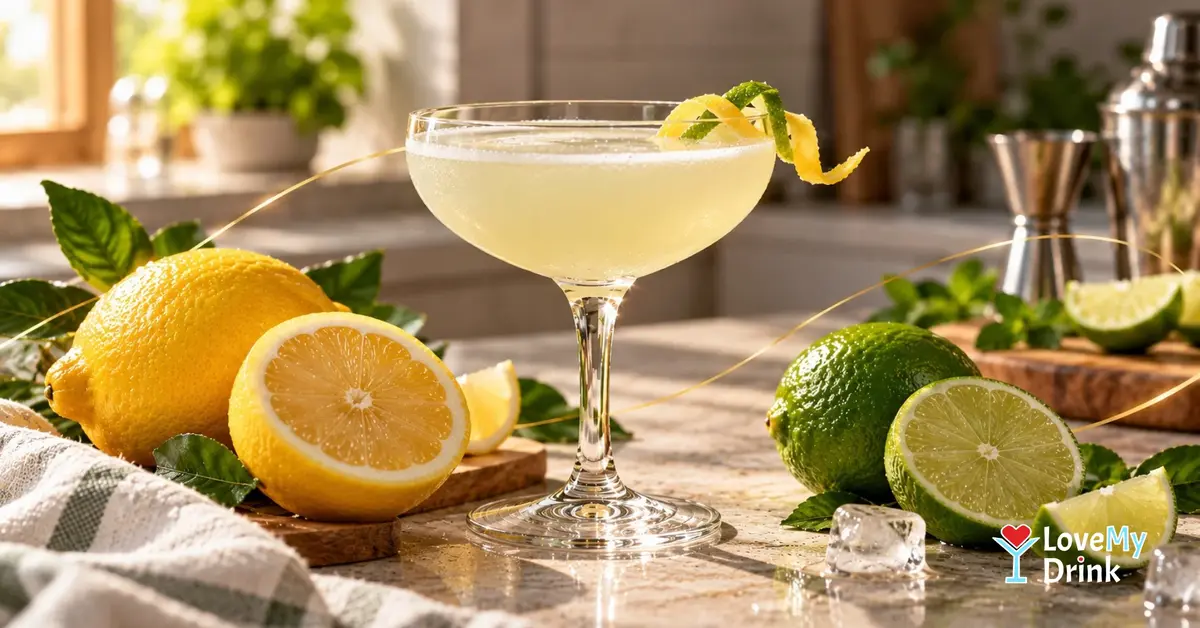
Not every Martini recipe uses bitters. But in a gin Martini with dry vermouth, a single dash of orange bitters can add a light citrus-peel note without turning it into a fruity cocktail. It is a particularly nice experiment if you enjoy a lemon twist.
Aromatic bitters can work in creative Martini variations, but they are not the obvious substitute when you want that clean, citrus-led style.
For a simple starting point, make our classic Martini recipe first. Then try the same gin-and-vermouth mix with a dash of orange bitters.
Can you substitute orange bitters for aromatic bitters?
Yes, but treat it as a variation rather than an identical swap. If a recipe calls for one dash of aromatic bitters and you only have orange, try one dash of orange first. The drink will usually become more citrus-led and less warm-spiced. Different bottles also dispense different amounts per dash, so taste before adding more.
The reverse is possible too. Aromatic bitters in place of orange can make a delicate gin cocktail feel heavier or more spiced. Start small.
If you have neither bottle, do not replace bitters with an equal volume of orange juice or orange liqueur. Those ingredients change sweetness, acidity or dilution. For an optional bitters garnish, leaving it out may be the cleaner choice; for a bitters-led classic, expect a noticeably different drink.
Try the Love My Drink two-glass bitters test
The easiest way to understand the difference is to make two tiny versions of the same whiskey drink. No special tasting kit, no fancy glassware and no guessing from the smell of the bottle alone.
What you'll need
- 2 small sturdy glasses
- 60 ml (2 oz) bourbon or rye whiskey, divided equally
- 10 ml (about 0.34 oz, or 2 tsp) simple syrup, divided equally
- 1 dash aromatic bitters
- 1 dash orange bitters
- Fresh ice
How to compare them
- Put 30 ml (1 oz) whiskey and 5 ml (1 tsp) simple syrup into each glass.
- Add one dash of aromatic bitters to glass A and one dash of orange bitters to glass B.
- Add similar amounts of fresh ice. Stir each glass for the same length of time, until cold.
- Smell both before tasting. Then take a small sip of A followed by B.
- Ask yourself which one feels warmer and spicier, which feels more citrus-led and which you would happily make again.
Luca's tip: Keep the whiskey, syrup, ice and stirring as consistent as you can. Even better, compare bottles from the same producer if you have them. Otherwise, brand differences may be part of what you are tasting. The goal is to explore, not to declare a universal winner.
Which bitters should you buy first?
If you mostly make Old Fashioneds and Manhattans, start with aromatic bitters. You can use the same bottle in both drinks without needing a collection of flavours.
If gin Martinis are more your thing, orange bitters are a fun first choice or a useful second bottle. You do not need either type for every Martini — they are an optional way to change its aroma.
One shopping detail saves confusion: Angostura is a brand, not a synonym for every aromatic bitter. The brand makes both aromatic bitters and orange bitters. Check the product name on the label instead of buying by the brand name alone.
You do not need a whole shelf of flavours. Pick the type that suits a drink you already love making.
Quick bitters FAQ
Can I mix aromatic and orange bitters in one cocktail?
Absolutely. In an Old Fashioned, try one dash of each instead of two dashes of aromatic. You keep the spiced base and add a little citrus lift. Keep everything else unchanged for the first try.
Do orange bitters make a drink sweeter?
Not in the way syrup or orange liqueur does. Some orange bitters smell sweet because of their citrus and spice notes, but they are concentrated bitters, not a sweet mixer.
Do I need bitters in a Martini?
No. Plenty of modern Martini recipes use only gin or vodka and vermouth. Orange bitters are an optional way to add a citrus-peel accent to a gin version.
Are orange bitters the same as Angostura bitters?
Not necessarily. Angostura is a producer with distinct aromatic and orange bitters. If a recipe simply says “Angostura bitters”, it often means the brand's aromatic version, but check the specific recipe.
Your next sip
Make the drink you already know, then change only the bitters. That is the simplest way to find your favourite: warmer and spicier, or brighter and more citrus-led.
Once you have chosen a bottle, our guide to 1, 2 or 3 dashes of cocktail bitters will help you decide how much to add.