How to Use Cocktail Bitters: 1, 2 or 3 Dashes?
Approx. 7 min read
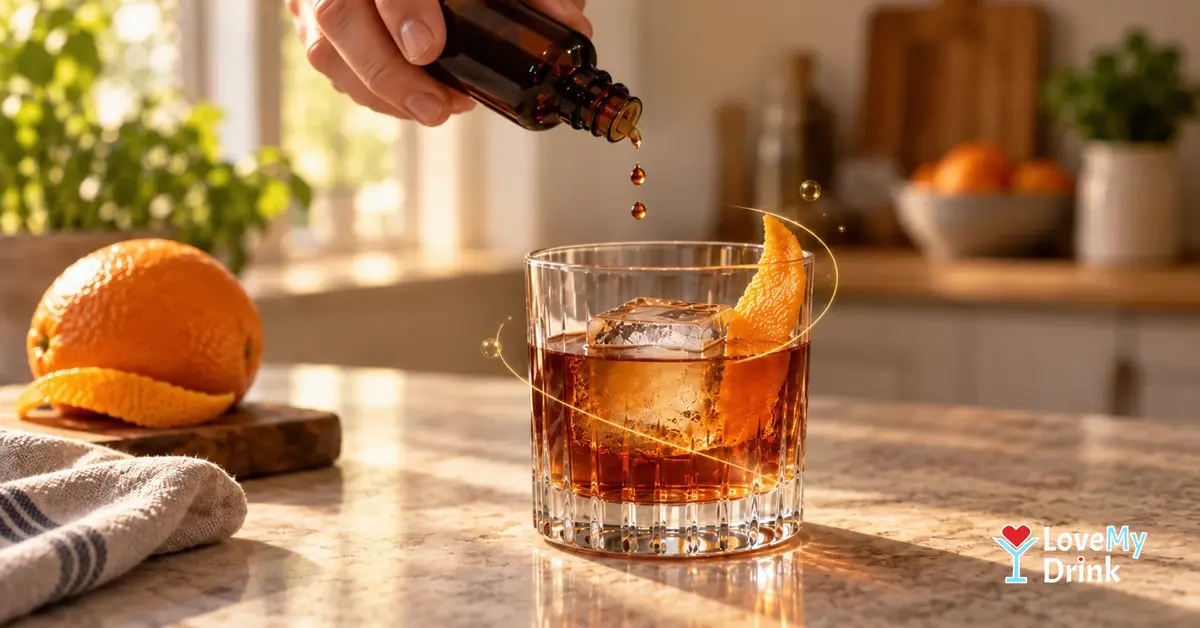
Start with 2 dashes, then taste
Two dashes is the easiest starting point for most classic cocktails that call for aromatic bitters. It is enough to make the aroma and spice noticeable without turning bitters into the main flavor.
But it is not a universal rule. One dash can be perfect in a lighter drink. Three can work beautifully in a richer, sweeter or more spirit-forward cocktail. The useful skill is learning what each extra dash changes.
What cocktail bitters actually do
Think of bitters like seasoning for a drink. You are not adding them for volume. You are adding a small, concentrated layer of aroma, bitterness and spice that can make the other ingredients feel more connected.
That is why a tiny change can be easy to notice. In a simple drink with whiskey, sugar and bitters, there is nowhere for an accidental heavy pour to hide.
1, 2 or 3 dashes? The quick flavor guide
1 dash: subtle lift
One dash keeps the bitters in the background. Expect a light aromatic edge rather than an obvious bitters flavor.
This is useful when the drink is delicate, when you are combining two different bitters, or when you simply want to start cautiously.
2 dashes: the best baseline
Two dashes is where many classic whiskey cocktails start to feel complete. You get more aroma, spice and structure, but the base spirit should still lead.
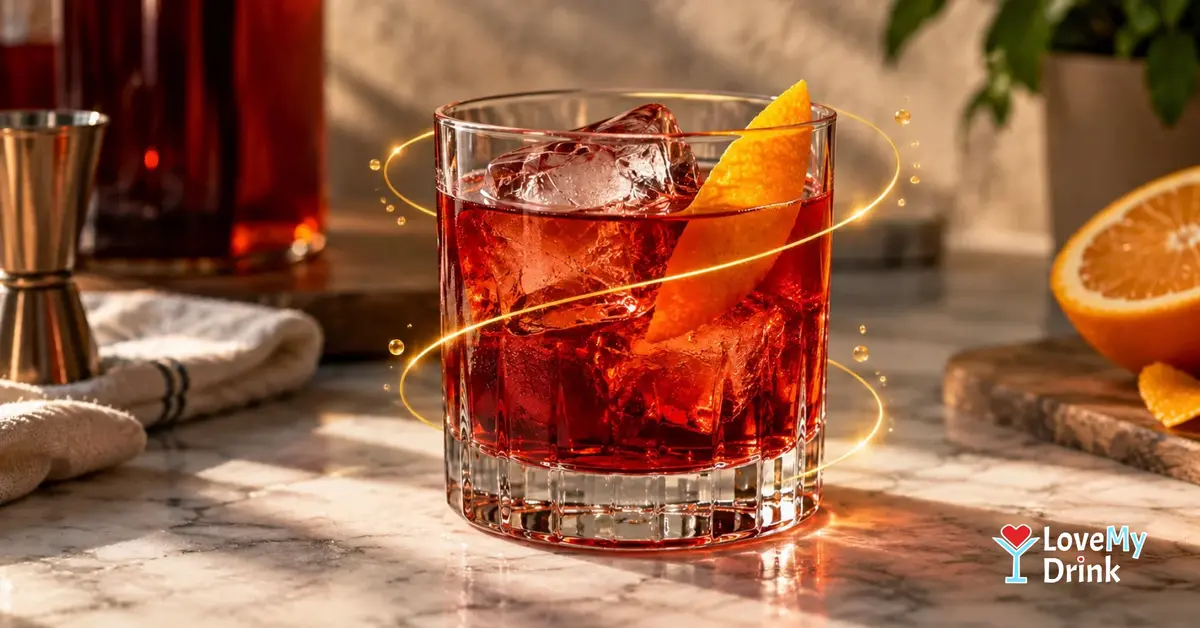
It is also the amount used in our beginner Old Fashioned and classic Manhattan. If a recipe gives you no room to experiment yet, two is a sensible place to begin.
3 dashes: more assertive
A third dash pushes the bitters further forward. The drink can feel spicier, more aromatic and sometimes drier or more bitter, depending on the bitters you use.
This can work well with a strong spirit, richer sweetness or a drink where you deliberately want the bitters to show. Taste before making it your automatic default.
Try the Love My Drink 1-2-3 Dash Test
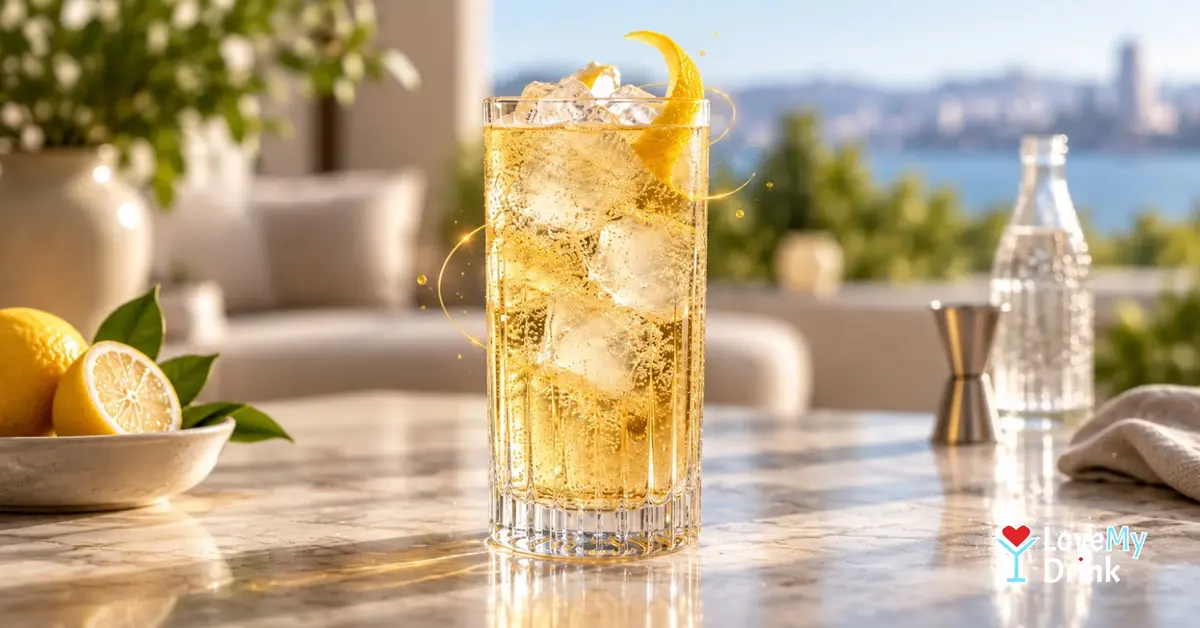
You do not need to make three full cocktails to understand the difference. This tiny tasting makes the change much easier to notice.

What you need
- 3 small glasses
- 270 ml / 9 oz chilled soda water, divided equally
- Aromatic cocktail bitters
How to do it
- Pour 90 ml / 3 oz chilled soda water into each glass.
- Add 1 dash of bitters to the first glass, 2 dashes to the second and 3 dashes to the third.
- Stir each glass gently once or twice.
- Smell each glass before tasting. Aroma is one of the easiest changes to notice.
- Taste them in order: 1 dash, then 2, then 3.
- Notice when the bitters move from a background accent to a flavor you can clearly identify.
This is a tasting exercise, not a cocktail recipe. The point is to train your palate so the next time a drink feels flat or overly bitter, you have a better idea of what to change.
Cocktail bitters are often made with alcohol, so this tasting should not be treated as alcohol-free unless the specific product you use is clearly labelled that way.
How much is one dash of bitters?
A dash is not a perfectly fixed millilitre measurement. It is the small amount released by one deliberate motion from a dasher-style bottle, and the actual amount can change with the bottle design, fill level, angle and how hard you dash it.
That is why converting every recipe dash into one exact number can create false precision. For home cocktails, consistency matters more than chasing a universal millilitre value.

How to make your dashes more consistent
- Use the same bitters bottle when comparing versions of a drink.
- Make one firm, repeatable motion for each dash.
- Count the dashes aloud instead of shaking continuously.
- Keep an eye on the bottle as it gets emptier because the pour can change.
- If repeatability matters to you, use a dedicated dasher bottle rather than eyeballing a free pour.
When should you add bitters to a cocktail?
For stirred cocktails
Add the bitters with the other liquid ingredients before stirring with ice. That gives them time to disperse through the drink as it chills and dilutes.
For built drinks
Add them early enough that a short stir can distribute them through the glass. If the drink includes a carbonated mixer, add the fizzy ingredient last and stir gently.
For shaken cocktails
If the recipe includes bitters in the mix, add them before shaking so they become part of the finished drink rather than sitting on the surface.
As a finishing aroma
Some recipes deliberately use bitters on top of foam or as a final aromatic accent. In that case, follow the recipe rather than mixing them in automatically. A finishing dash has a different job from bitters used inside the drink.
Which bitters should a beginner buy first?
Aromatic bitters
Start here if you want one useful bottle. Aromatic bitters fit naturally into classics such as the Old Fashioned and Manhattan and make it easy to learn what bitters actually change.
Orange bitters
Orange bitters are a good second direction. They add citrus aroma and bitterness without adding citrus juice or sweetness, so they can make familiar drinks feel brighter without changing their basic structure too much.
Specialty bitters
Chocolate, coffee, celery, walnut and other flavored bitters can be fun later. They are better as creative tools once you already understand how your first bottle behaves.
Three good cocktails for learning bitters
Bitters are easiest to understand in drinks where the recipe stays simple.
- Old Fashioned: whiskey, sweetness and bitters make every adjustment easy to taste.
- Manhattan: sweet vermouth softens the whiskey while bitters sharpen the aromatic finish.
- Easy whiskey cocktails for beginners: useful if you want to compare bitters-based classics with simpler highballs and sours.
If you are still building your home setup, our cocktail tools for beginners guide shows what is actually useful and what can wait.
Want more repeatable dashes?
You do not need special equipment to start using bitters. The original bottle is perfectly fine for learning.
If you make the same cocktails often, though, a dedicated dasher bottle can make your motion easier to repeat and keeps the setup neat on a home bar.
Affiliate disclosure: This section contains an affiliate link. If you buy through it, Love My Drink may earn a commission at no extra cost to you. As an Amazon Associate, we earn from qualifying purchases.
If that sounds useful, you can see these bitters dasher bottles on Amazon. The point is consistency, not turning your kitchen into a professional bar.
Cocktail bitters FAQ
Can you use too much bitters in a cocktail?
Yes. Bitters are concentrated, and an extra heavy pour can dominate a simple drink. If you are unsure, start with the recipe amount, taste the finished cocktail and adjust the next one rather than trying to rescue an over-bitter glass.
Is 2 dashes always the correct amount?
No. Two dashes is a useful baseline, especially for classic whiskey cocktails, but the right amount depends on the recipe, the bitters and your taste.
Can I add bitters after the cocktail is mixed?
Yes, but it will not behave exactly the same way. If the recipe intends the bitters to be integrated, adding them before stirring or shaking is more repeatable. Adding them on top gives you a stronger first aroma and a more noticeable surface accent.
Are orange bitters and aromatic bitters interchangeable?
Not exactly. Both add bitterness and aroma, but aromatic bitters usually bring warmer spice and herbal notes, while orange bitters push citrus forward. You can experiment with swaps, but expect the drink to change.
Are cocktail bitters alcoholic?
Many are, although the exact strength varies by product and only a small amount is normally used. If avoiding alcohol completely matters to you, check the label and choose a product specifically made and labelled for that purpose.
Final sip
Bitters get easier the moment you stop treating a dash like a mysterious bartender measurement.
Start with two. Taste the drink. Then make the third dash a decision, not a habit.