Inside Mendoza's Vendimia: The Wine Harvest Festival That Takes Over a City
Approx. 7 min read
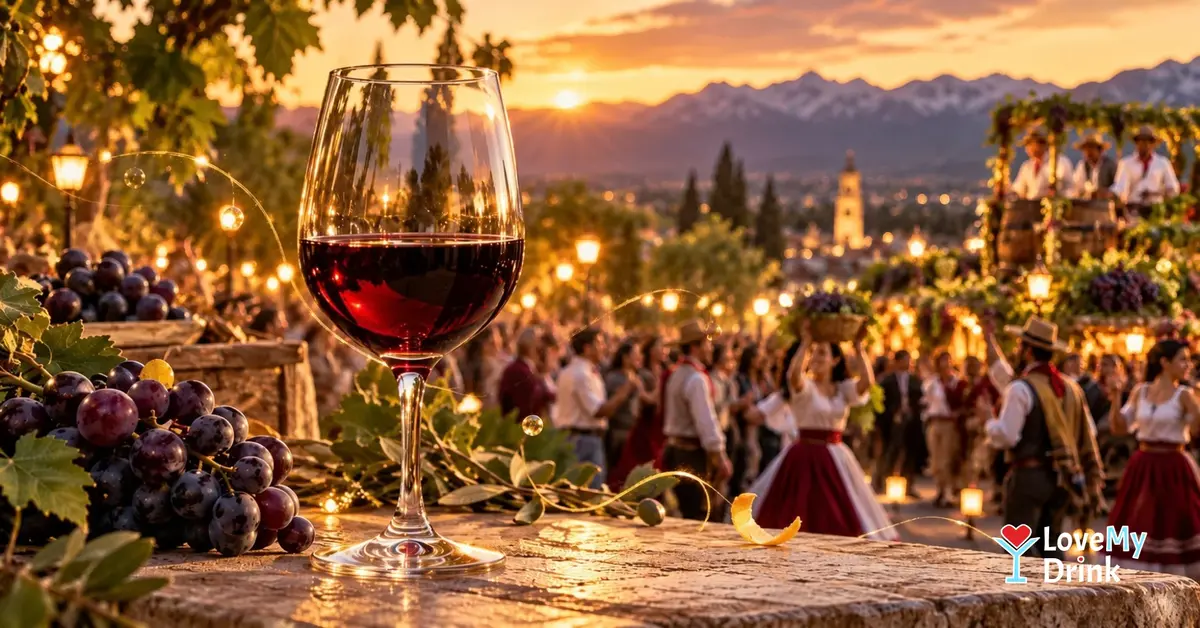
What is Mendoza's Vendimia festival?
Vendimia means "grape harvest" in Spanish. In Argentina's Mendoza province, it also means a season of celebrations that builds towards the Fiesta Nacional de la Vendimia, the National Grape Harvest Festival.
This is not one enormous wine tasting. Communities across Mendoza hold their own harvest festivities, while the best-known parades and the grand stage show bring the celebration into Mendoza City.
Why does Mendoza celebrate the harvest on such a grand scale?
A bottle of wine can look effortless on the table. Growing the grapes behind it is anything but. There are long months in the vineyards, weather to worry about, grapes to pick and families whose livelihoods depend on the harvest.
Vendimia gives that work a moment in the spotlight. It's a thank-you to the growers, pickers and winemakers, but also to the land and the people who have made wine part of Mendoza's identity. The modern official festival dates back to 1936, when an existing tradition of harvest celebrations became a major public event.
And that's what makes it different from a typical wine fair. The point isn't simply to try a new vintage. It's to celebrate everyone who helped bring it into being.
How the grape harvest takes over Mendoza
There isn't just one way to experience Vendimia. The festival unfolds through ceremonies, parades and an enormous theatrical finale, each with its own atmosphere.
The Blessing of the Fruits: a moment of gratitude
The Bendición de los Frutos, or Blessing of the Fruits, is one of Vendimia's most meaningful traditions. It brings together harvest symbolism, music and a ceremony of thanks for the land and its produce. The blessing reflects Mendoza's cultural and spiritual traditions, including the Virgin of Carrodilla, associated with protection of the vineyards.
One particularly memorable ritual is the striking of a ploughshare. It's a small action with a big idea behind it: before wine becomes something to enjoy, it begins with work in the earth.
Vía Blanca: a parade after dark
Then the mood changes. During the Vía Blanca de las Reinas, illuminated floats carry representatives of Mendoza's departments through the city at night. Lights, music and cheering crowds give the streets a festival glow.
Each of Mendoza's 18 departments has its own representative and a float designed to express something about that community, from its landscape to its local traditions. The representatives also take part in the selection of the National Vendimia Queen, but you don't need to follow the competition to enjoy the colour and cheering.
Carrusel: the daytime celebration
The Carrusel brings another procession into the streets, traditionally by day. Decorated floats travel alongside folk performers, traditional horse riders and groups representing Mendoza's different communities. The Carrusel joined the official festivities in 1937, just a year after the modern festival was established.
Look closely at the crowd and you'll spot people holding up baskets. It's a local tradition: as floats pass, representatives may share produce and small gifts from their departments. Past parades have featured grapes, olives, dried fruit and, wonderfully, even melons. This is a celebration of what the land gives, not simply what's poured into a glass.
The Acto Central: a harvest story on a huge stage
The festival's theatrical centrepiece takes place at the open-air Teatro Griego Frank Romero Day, set against the foothills near Mendoza City. Dancers, costumes, music, lights and large-scale staging turn the grape harvest into a performance you can watch from the stands.
The show changes its creative theme from year to year, but the underlying idea stays familiar: honour the region, its people and the work behind its wine. The election of the National Vendimia Queen is also part of this central celebration.
It's closer to a spectacular night at the theatre than to a walk around a tasting hall. That's the delightful surprise: all this creativity, just to say thank you for a grape harvest.

Acto Central at the Fiesta Nacional de la Vendimia (2022). Photo: Matias Alberto Gimenez Rodriguez / Wikimedia Commons, CC BY-SA 4.0. Converted to WebP for web display.
What do people drink during Vendimia?
Mendoza is one of Argentina's great wine regions, so wine naturally surrounds the celebrations. But don't mistake the parades for a giant open-bar event. If tasting is your priority, look for winery visits, organised tastings and restaurant experiences around the festival period.
Three wine styles make a lovely introduction to the country:
- Mendoza Malbec: The obvious starting point. Depending on the bottle, look for dark fruit, a rounded texture and a generous, food-friendly feel.
- Bonarda: Another important red variety in Mendoza. Often juicy and lively, it gives you a useful contrast to Malbec without making the tasting complicated.
- Argentine Torrontés: A fragrant white option to explore alongside the reds. It is associated with Argentina more broadly rather than being Mendoza's signature grape; its floral, citrusy character makes a refreshing change of pace.
A plate of empanadas or something from the grill fits the relaxed spirit beautifully. Keep water on the table, too. Vendimia is about enjoying the moment, not collecting as many pours as possible.
When does Mendoza Vendimia take place?
Mendoza's big harvest celebrations usually build through late February and early March, towards the end of the Southern Hemisphere summer. Department-level festivities can start earlier, and the dates of the main parades and stage show change from year to year.
If you're planning a trip, use the current programme from the Government of Mendoza rather than assuming that last year's weekend will be repeated. The Acto Central is an outdoor show, so weather can also affect the final schedule.
- For the city atmosphere: Find the announced routes and times for Vía Blanca and Carrusel.
- For the grand finale: Check ticket arrangements and the date of the Acto Central separately from the street parades.
- For the wine: Book any winery visits or tastings you particularly want to experience, and arrange transport that doesn't involve driving after drinking.
Bring a little Vendimia home
Not heading to Argentina? You can still borrow the loveliest idea from the festival: turn wine into a reason to gather, without making the evening feel formal.
Choose a Mendoza Malbec and a Bonarda, then add an Argentine Torrontés if you'd like a white to compare. Put out small tasting glasses, a jug of water and a few easy things to share: empanadas, cheese, bread or anything that makes people stay at the table a little longer.
Try one small pour of each wine. Ask everyone which they would bring to a harvest party and why. No tasting scores or complicated notes required. The point is the conversation that follows.
It's a tiny version of the Vendimia idea: the wine matters, but the people sharing it matter more.
Mendoza Vendimia FAQ
What does Vendimia mean?
Vendimia is the Spanish word for grape harvest. In Mendoza, the word also refers to the celebrations built around the harvest, especially the Fiesta Nacional de la Vendimia.
Is Vendimia held only in Mendoza City?
No. Local celebrations take place across Mendoza province, while the best-known street parades and the central stage show are associated with Mendoza City.
Is the festival only for wine lovers?
Not at all. Wine is the reason the celebration exists, but the programme also includes music, folk traditions, parades and theatre. You can enjoy those elements without taking part in a tasting.
Do you need tickets for Vendimia?
The Acto Central has ticketed seating, while Vía Blanca and Carrusel have traditionally been free public street events. Access arrangements, routes and times can change, so check the official programme for the edition you plan to attend.
The best part isn't in the glass
If you remember one image from Vendimia, make it this: someone holding up a basket towards a passing float, hoping to take home a little piece of the harvest. It says more about the spirit of the festival than any grand statistic could. The grapes become wine, and the wine becomes a reason for whole communities to celebrate together.
That's the beauty of Vendimia. The celebration doesn't stop at the vineyard gate. It spills into the streets, the music and the tables where people gather. And that is worth raising a glass to.