Ginger Beer vs Ginger Ale: Which Is Better for Cocktails?
Approx. 8 min read
Ginger beer vs ginger ale: the quick answer
Ginger beer for a bolder, spicier kick. Ginger ale for a lighter, gentler sip. That is the short answer. The better choice depends on the cocktail, the bottle and, most importantly, what you enjoy. One small switch can make a familiar drink feel completely different.
Your cocktail → your mixer → why
- Moscow Mule → ginger beer: Its bite balances sharp lime and gives the drink its familiar kick.
- Whiskey Ginger → ginger ale: A gentler mixer lets the whiskey come through.
- Kentucky Mule → ginger beer: Spicy ginger and lime lift rich bourbon.
- Dark rum and lime → ginger beer: Extra warmth works well with deeper rum flavours. Use ginger ale for a softer version.
- Fruit mocktail → either: Ginger beer suits tart cranberry or grapefruit; ginger ale is lovely with peach or apple.
Take this as a friendly starting point, not a rulebook. If you have both in the fridge, the best part is trying the same drink two ways and picking the one you would happily pour again.
What actually changes in the glass?
The ginger flavour
Ginger beer usually tastes bolder, with a peppery warmth that can linger after a sip. Ginger ale is generally milder and gives other ingredients more room. That difference matters most when your cocktail has just two or three ingredients — the mixer does a lot of the work.
There is a catch: the label cannot tell you everything. One ginger beer might be fiery; another could be sweet and gentle. Take a sip of the mixer on its own before building the cocktail. It is the quickest bit of bartending advice you can use tonight.
Sweetness, bubbles and alcohol
Do not assume ginger ale always contains more sugar. A spicier drink can taste less sweet even when the nutrition label tells a different story. Compare sugar per 100 ml if it matters to you. Both mixers are fizzy, but carbonation varies by product too.
The word "beer" can be misleading. Many modern ginger beers are non-alcoholic soft drinks, although alcoholic versions exist. Traditional ginger beer was often fermented; today's products are made in different ways. For a strictly alcohol-free cocktail, check the particular bottle rather than relying on its name.
Which one works best in popular cocktails?
Moscow Mule: keep the ginger beer
Fresh lime, vodka and ginger beer make a lively trio. Ginger ale is a perfectly enjoyable swap, but it produces a gentler vodka-and-lime highball, not quite the same Mule experience. For a dependable starting point, see our Moscow Mule ratio guide.
Whiskey Ginger: start softer
This is the easy evening highball: whiskey, ice, ginger ale, done. The mixer brings gentle bubbles without hiding the whiskey. Want more personality next time? Change the ginger ale to ginger beer before you change the whiskey. Our Whiskey Ginger ratio guide covers the base pour.
Kentucky Mule: a little contrast goes a long way
Bourbon's vanilla and caramel notes welcome the lift of spicy ginger and fresh lime. Ginger ale can still taste lovely here, especially if you prefer a mellow serve. For the classic bourbon-style build, use our Kentucky Mule recipe.
Dark rum and fruit mocktails: follow the flavour
With dark rum and a squeeze of lime, ginger beer makes a punchier highball; ginger ale takes it in a softer direction. For a mocktail, pair ginger beer with tart fruit, or use ginger ale with gentler peach and apple flavours. For ideas you can make tonight, try these easy ginger beer mocktails.
Can you substitute ginger ale for ginger beer?
Yes — and you probably do not need another shopping trip. Keep the original recipe as your starting point, then make one small adjustment at a time.
- Replacing ginger beer with ginger ale: Expect a milder drink. If it tastes too sweet, try 5–10 ml fresh lime or lemon juice (0.2–0.35 oz). A little fresh ginger juice can restore some heat if you have it.
- Replacing ginger ale with ginger beer: If the recipe calls for 120 ml ginger ale (4 oz), try 90 ml ginger beer (3 oz) plus 30 ml soda water (1 oz). You keep the drink roughly the same length while making room for a bolder ginger flavour. Adjust from there.
- If the drink seems dull: Use a cold, freshly opened mixer, generous ice and a gentle stir. Fresh bubbles make a difference.
No need to start again or buy a collection of fancy ingredients. One thoughtful tweak is usually enough.
The little 50/50 trick
Here is the bonus move for the bottle that feels almost right: you do not have to choose. For a cocktail using 120 ml (4 oz) of ginger mixer, try 60 ml ginger beer (2 oz) and 60 ml ginger ale (2 oz). It is a simple way to soften a punchy ginger beer without losing all that lively ginger character.
If the result is still too sweet, do not add more of either mixer. A small squeeze of lime or a splash of soda water is a better next move. One change, one sip, and you are closer to the drink you actually wanted.
Try the two-glass ginger test
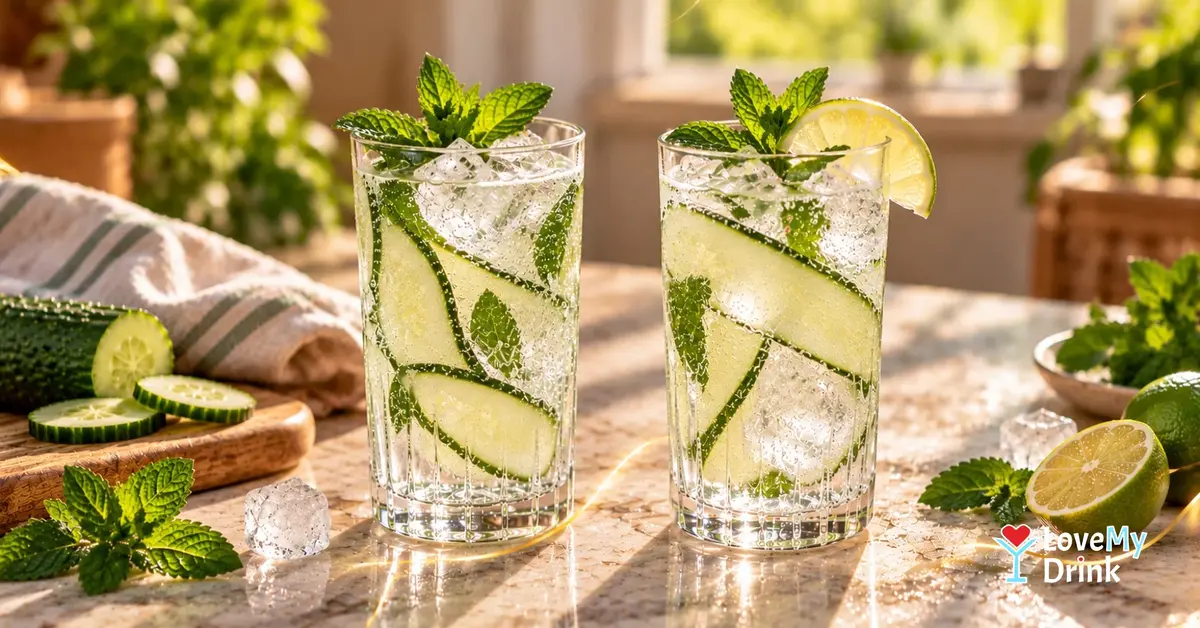
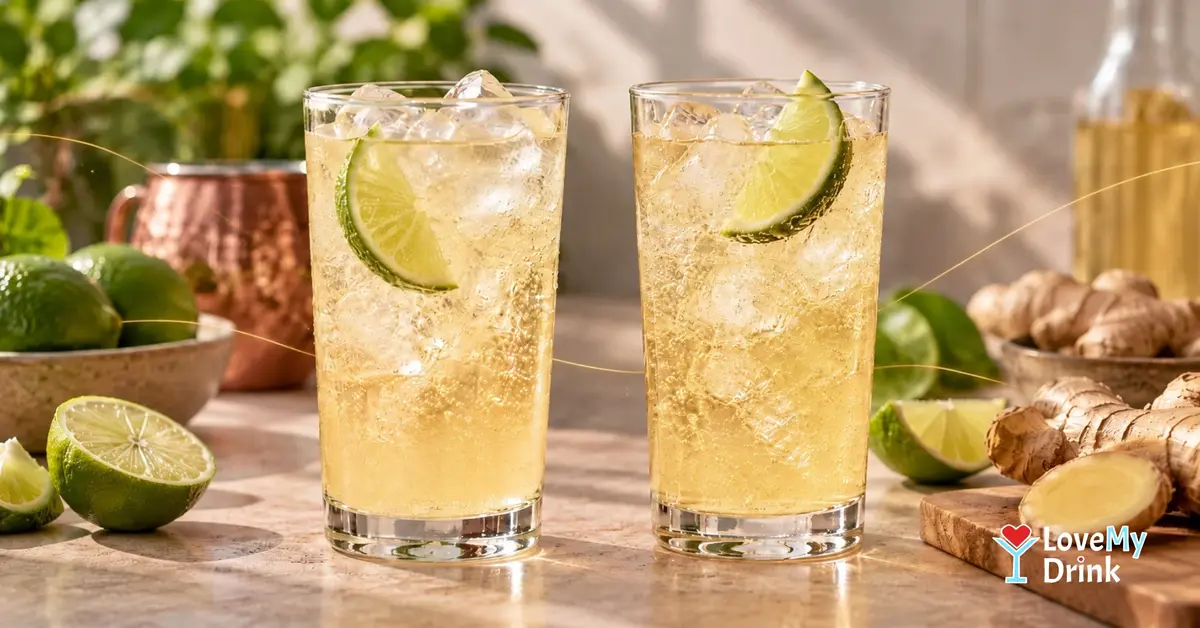
Five minutes, two matching glasses and a little curiosity. Make the same small drink twice, changing only the ginger mixer. It is a lovely kitchen-counter experiment to try with a friend — and a much better way to pick a favourite than guessing from the bottle.
What you need for each glass
- 30 ml vodka (1 oz)
- 10 ml fresh lime juice (0.35 oz)
- 60 ml chilled ginger beer or ginger ale (2 oz)
- Fresh ice
Prefer a non-alcoholic test? Replace the vodka with 30 ml soda water (1 oz) in both glasses. Use a non-alcoholic ginger mixer and keep all other amounts the same.

Make it, then compare
- Fill two matching glasses with similar amounts of ice.
- Add the vodka (or soda water) and lime juice to each.
- Top one with ginger beer and the other with ginger ale. Give each one a gentle stir.
- Taste one, then the other, taking a sip of water between them if you like.
Three little things to notice
- Aroma: Before you sip, which one smells more clearly of ginger?
- Balance: Which glass lets you taste the lime, and which puts ginger centre stage?
- Finish: Does the ginger warmth linger pleasantly, or would you rather have a lighter finish?
Make it a blind-sip challenge: Ask someone to put the glasses on two coasters marked A and B while you look away. Taste without knowing which is which, then reveal the bottles. You might surprise yourself. Different favourites are part of the fun.
Love My Drink tip: Keep the brands and quantities in mind. Different bottles can vary as much as the two styles do. Once you have a favourite, repeat the test with your usual whiskey, rum or fruit juice.
What to look for when buying a mixer
- Ginger intensity: Look for descriptions such as mild, dry or fiery, then taste to see whether the bottle delivers.
- Sugar per 100 ml: Compare the label rather than guessing from "ale" or "beer".
- Alcohol information: Check the specific product if you want a strictly alcohol-free serve.
- Bottle size: Small cans or bottles are handy when you only need a couple of drinks; the mixer stays fizzy until you open it.
A good mixer is not necessarily the priciest one. It is the bottle that makes your favourite drink taste the way you like it. Keep a note of the one you loved; future-you will thank you.
Ginger beer vs ginger ale FAQ
Is ginger beer alcoholic?
Many ginger beers sold as mixers are non-alcoholic, but alcoholic versions exist. Check the label if you need a 0.0% drink.
Is ginger ale always sweeter?
No. Ginger ale often tastes sweeter because its ginger flavour is milder, but the sugar content varies. Check the nutrition panel for the actual numbers.
Can I use ginger ale in a Moscow Mule?
Yes. You will get a softer vodka, lime and ginger drink. Add a little extra lime if your particular mixer makes it too sweet.
Which mixer is better with whiskey?
Start with ginger ale for an easy Whiskey Ginger. Choose ginger beer when you want more spice, especially with bourbon or rye.
The final sip
For a Mule, start with ginger beer. For an easy Whiskey Ginger, reach for ginger ale. And if neither is quite right, try a half-and-half pour. Your favourite cocktail does not have to follow a rulebook — it just has to be worth making again.