Shake vs Stir Cocktails: The Simple Rule + Easy Examples
Approx. 7 min read
The 10-second cocktail mixing rule
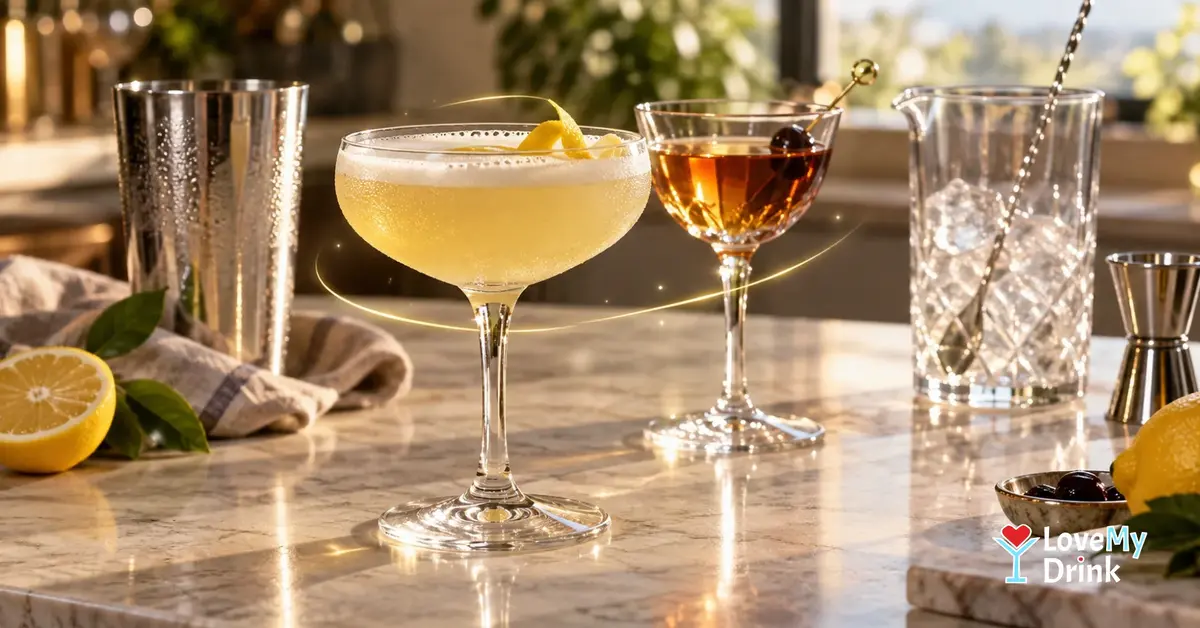
If a cocktail contains citrus, fruit juice, fruit, syrup, coffee, cream, egg white or aquafaba, it will usually benefit from shaking. If it is mostly clear spirits, vermouth, liqueurs and bitters, it will usually be stirred. If bubbles are involved, build the drink in the serving glass and add the carbonated part last.
- Shake: texture, juice, fruit, coffee, cream or egg.
- Stir: clear, spirit-forward ingredients.
- Bubbles: add soda, tonic, sparkling wine and other carbonated mixers last.
The Love My Drink rule: Texture? Shake. Clear and boozy? Stir. Bubbles? Add them last.
It is not a perfect law for every cocktail ever created, but it is the shortcut that gets a home bartender to the right method most of the time.
When to shake a cocktail
Shake when the ingredients need more energetic mixing and you want a colder, livelier texture. Fresh citrus is the easiest clue, but juice, fruit, syrup, coffee, cream, egg white and aquafaba are common signs too.
Think Margarita, Daiquiri, Whiskey Sour, Cosmopolitan or Espresso Martini. These drinks benefit from the extra movement because shaking quickly chills, dilutes and aerates the mixture while pulling very different ingredients together.
If you want to practise the technique itself, our cocktail shaker guide covers the simple 10-15 second shake, Boston vs Cobbler shakers and the easiest way to avoid leaks.
What you need for shaking
Disclosure: This article includes affiliate links. Love My Drink may earn a commission from qualifying purchases at no extra cost to you. As an Amazon Associate, we earn from qualifying purchases.
You do not need a huge bartender kit. A simple Boston-style cocktail shaker, plenty of fresh ice and a strainer will cover a huge number of shaken drinks at home.
If your shaker does not have a built-in strainer, start simple. Our cocktail strainer guide explains when a Hawthorne, Julep or fine-mesh strainer actually earns its place in your drawer.
When to stir a cocktail
Stir when the drink is mostly made from clear spirits, vermouth, liqueurs or bitters. The aim is still to chill and dilute the cocktail, but with less aeration and a smoother, clearer finish.
Martinis, Manhattans, Negronis and Old Fashioneds are the classic examples. They are spirit-forward drinks, so there is no juice, cream or fruit pulp that needs the extra energy of a shake.
For a dedicated stirred-drink setup, a cocktail mixing glass gives you plenty of room for ice, while a long bar spoon makes the motion comfortable. Neither is essential, though. A sturdy glass and a long teaspoon can still get the job done.
Want to see the method in a real recipe? Both our Classic Martini and Manhattan are stirred with ice before they are strained into a chilled glass.
The third rule: add bubbles last
This is the part that gets missed when the question is framed as only shake versus stir. Some drinks should do neither.
If a cocktail contains soda water, tonic, sparkling wine or another carbonated mixer, keep the fizzy ingredient out of the shaker and add it in the serving glass. If the non-carbonated base needs shaking, shake that first, then top with the bubbles. Stir gently only if the drink needs it. Do not seal a carbonated mixer inside a cocktail shaker; pressure can build quickly.
A Vodka Soda is the easiest example: vodka over ice, soda added last, then one or two gentle stirs. Spritzes and Gin & Tonics follow the same basic logic.
What actually changes when you shake instead of stir?
Both methods chill and dilute a cocktail. The difference is how they do it and what happens to the texture along the way.
- Temperature and dilution: both methods use melting ice to chill and dilute the drink. Shaking usually chills and dilutes the drink quickly because the liquid moves much more vigorously around the ice.
- Aeration: shaking pulls tiny air bubbles into the drink. That matters in cocktails such as an Espresso Martini or Whiskey Sour.
- Texture: shaken drinks can feel brighter, lighter or foamier. Stirred drinks tend to feel smoother and silkier.
- Clarity: stirring helps a clear, spirit-forward cocktail stay visually clear. Shaking can add tiny bubbles and ice fragments that make it look cloudier.
So the question is not which method is better. It is which texture suits the drink you are making.
Shake, stir or build? Easy examples
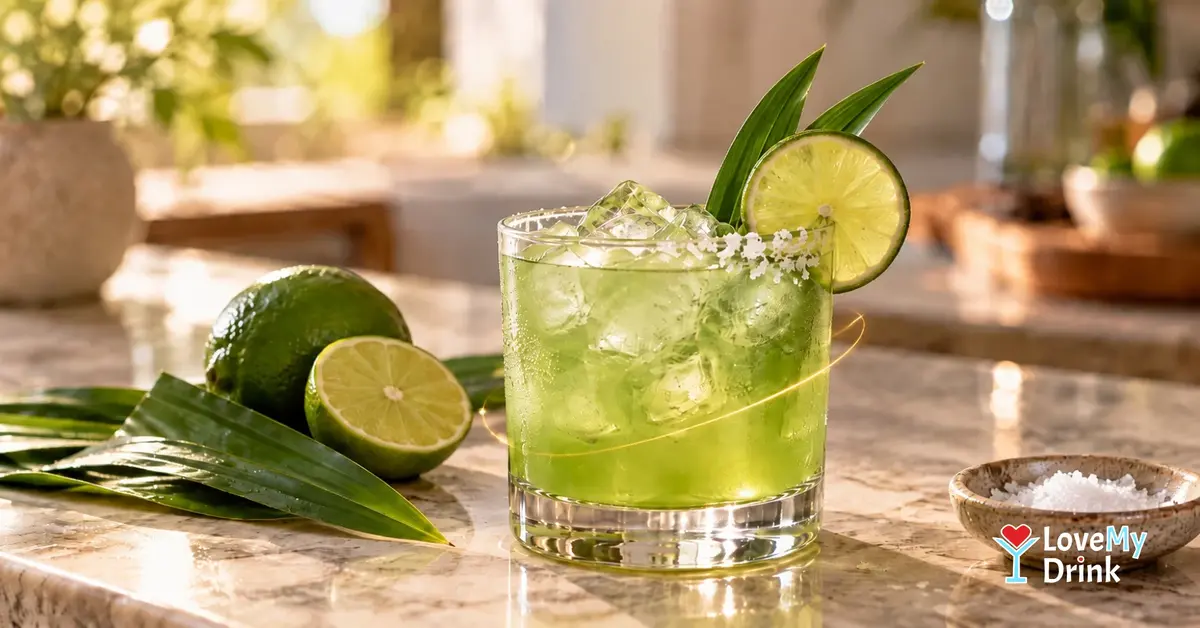
- Margarita - Shake. Fresh lime and sweetener need energetic mixing.
- Daiquiri - Shake. Rum, lime and sugar come together beautifully with a hard chill.
- Whiskey Sour - Shake. Citrus, syrup and optional egg white or aquafaba make shaking the natural choice.
- Cosmopolitan - Shake. Cranberry and lime put it firmly in the shaken camp.
- Espresso Martini - Shake. Aeration helps create its cold, foamy top.
- Martini - Stir. Spirit plus vermouth is the classic clear, spirit-forward formula.
- Manhattan - Stir. Whiskey, vermouth and bitters need chilling and dilution, not extra air.
- Negroni - Stir. Gin, bitter aperitif and sweet vermouth are all spirit-forward ingredients.
- Old Fashioned - Stir. Whiskey, sugar and bitters are mixed gently for a smooth finish.
- Vodka Soda - Build. Add the soda last so you keep the bubbles in the glass.
- Aperol Spritz - Build. Sparkling wine and soda belong in the serving glass, not the shaker.
What about a Martini?
The classic answer is to stir a Martini because gin or vodka and dry vermouth are clear, spirit-forward ingredients. Stirring keeps the texture smooth and the drink visually clear.
Preference still matters. If you like the colder, more aerated texture of a shaken Martini, make it that way. For a classic starting point, our Classic Martini uses a simple 4:1 spirit-to-vermouth ratio and a 20-30 second stir.
Common shake vs stir mistakes
- Shaking the bubbles. Add soda, tonic or sparkling wine after shaking the non-carbonated ingredients.
- Stirring a juice-heavy Sour and expecting the same texture. Citrus and sweetener usually benefit from shaking.
- Assuming more time is always better. The goal is cold, balanced dilution, not a workout.
- Using too little ice. Plenty of fresh, firm ice makes both shaking and stirring more predictable.
Shake vs stir FAQ
Do you shake cocktails with juice?
Usually, yes. Citrus and other juices are strong clues that a cocktail should be shaken because the extra movement helps combine, chill and aerate the drink.
Can I stir a cocktail without a mixing glass?
Yes. Use a sturdy glass or small pitcher that can comfortably hold the drink and plenty of ice. A dedicated mixing glass is convenient, not mandatory.
Does shaking make a cocktail stronger?
No. The alcohol in the recipe does not increase because you shake it. Both shaking and stirring chill and dilute the drink as ice melts.
Should I ever shake soda or sparkling wine?
No. Keep carbonated ingredients out of a sealed shaker. Add them to the serving glass at the end so you preserve the bubbles and avoid unnecessary pressure.
The rule to remember
Texture? Shake. Clear and boozy? Stir. Bubbles? Add them last.
That is enough to make the right call for a surprisingly large number of cocktails. Start with the shortcut, follow the recipe when it says otherwise, and adjust to the texture you actually like.
Pick one shaken drink and one stirred drink this week and make them side by side. Once you feel the difference in the glass, the rule becomes much easier to remember.