Classic Gin and Tonic, Made Right
Approx. 8 min read
Why the gin and tonic still works
Some cocktails rely on syrups, shaking, layers, or a long ingredient list. A gin and tonic does the opposite.
It is simple, but not careless. With only gin, tonic, ice, and garnish in the glass, every detail shows. The gin needs to taste good. The tonic needs to be cold and fizzy. The ice needs to do its job.
That is what makes this drink so useful at home. You do not need bar skills. You just need a few small choices that make the drink cleaner, colder, and better balanced.
Classic gin and tonic recipe
Recipe details
- Difficulty: Easy
- Prep time: 2 minutes
- Tools: Jigger, bar spoon or long spoon
- Taste: Crisp, bitter, citrusy, lightly botanical
- Calories: Approx. 150–180 kcal
- Serves: 1 cocktail
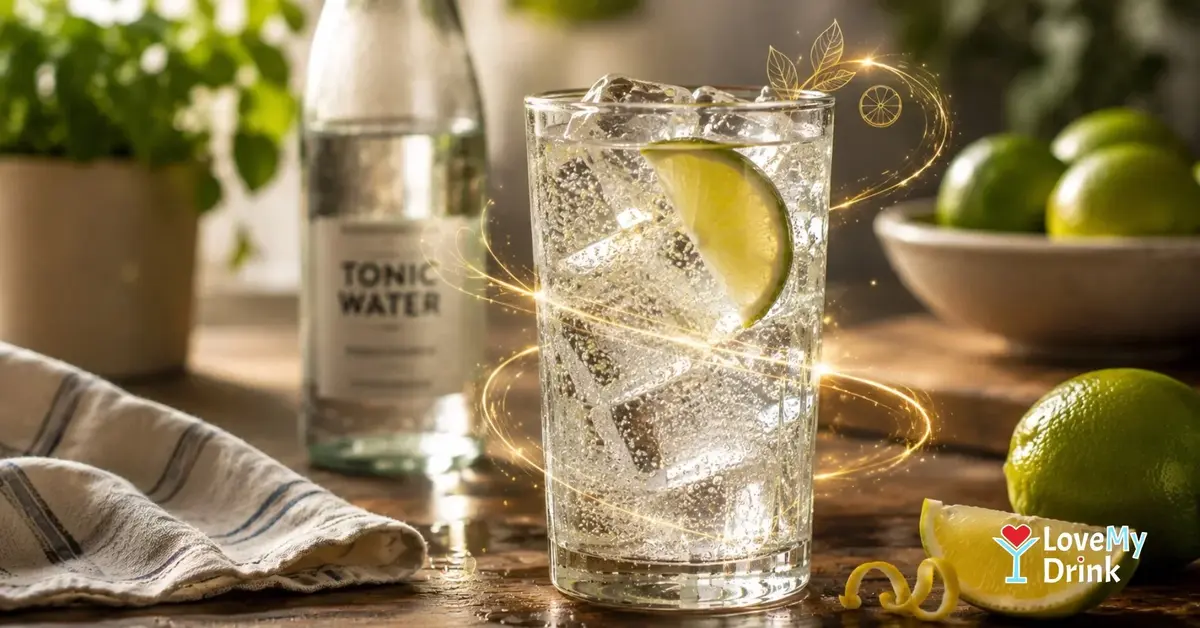
- Best served: In a highball glass or copa glass with plenty of ice
Ingredients
- 50 ml gin / 1.7 oz gin
- 100–150 ml tonic water / 3.4–5 oz tonic water
- Fresh ice cubes
- 1 lime wedge or lime slice
How to make it
- Fill a highball glass or copa glass with ice.
- Add the gin directly over the ice.
- Slowly pour in the tonic water. Pouring gently helps keep more bubbles in the drink.
- Give it one light stir. Do not overmix it.
- Garnish with a lime wedge or slice and serve right away.
Quick tip
Use more ice than you think you need. A full glass of ice keeps the drink colder and slows dilution. A half-filled glass warms up faster and usually tastes watery sooner.
What should a good gin and tonic taste like?
A good gin and tonic should feel cold, bright, slightly bitter, and clean. The tonic brings bubbles and bitterness. The gin adds the botanical side: juniper, citrus peel, herbs, flowers, spice, or pepper, depending on the bottle.
If the drink tastes mostly like tonic, use less tonic next time. If it tastes sharp or too strong, add a little more tonic or make sure everything is colder before serving.
If the problem is harder to identify, our cocktail troubleshooting guide helps you work out whether the drink is too sweet, strong, watery, bitter or simply flat.
If you want another simple classic with a fresh citrus profile, try our easy Margarita recipe next.
Choosing the right gin
For a classic gin and tonic, London Dry gin is the easiest place to start. It has enough juniper and citrus character to stand up to tonic water without disappearing.
Very delicate floral gins can work too, but they may need a lighter tonic or a smaller pour of tonic. Otherwise, the drink can taste flat and sweet instead of crisp.
If you are still learning what you like, keep it simple. Choose a gin you enjoy smelling before you mix it. If the aroma already feels good, the drink usually has a better chance.
A good Gin and Tonic shows how much the small things matter: cold glass, fresh garnish, enough ice and the right mixer. If you want to make better drinks at home without overbuying, our home bar essentials for beginners guide is a useful next step.
No jigger nearby? You can use a marked kitchen measure instead. Our cocktail measuring guide shows exactly how to measure common pours without professional bar tools.
If you want to move from a simple gin highball to something fresh and shaken, try our Gin Basil Smash. It keeps gin at the center but adds fresh basil, lemon and a little simple syrup.
The tonic matters more than people think
Tonic water is not just filler. In this drink, it is half the experience, sometimes more.
A good tonic should bring bitterness, sweetness, and bubbles without covering the gin. If the tonic is too sweet, the drink loses its dry, crisp edge. If it is flat, the whole cocktail feels tired.
Use a cold tonic and open it right before making the drink. A bottle that has been sitting open in the fridge will still taste like tonic, but it will not give the same lift.
If you like simple highball drinks that depend on balance rather than complicated technique, try our Cuba Libre recipe next. It has the same easy, built-in-the-glass feeling, but with rum, cola and fresh lime instead of gin and tonic water.
Tonic is the classic choice, but it is only one direction gin can take. For lighter, fruitier, spicier and more unusual options, explore our guide to 15 easy gin mixers beyond tonic.
If you like this cold, fizzy highball style but want to switch from gin to tequila, try our easy Ranch Water recipe. It keeps the same simple built-in-the-glass feeling with tequila, fresh lime and sparkling mineral water.
Tonic is a good example of why “still usable” and “still good for cocktails” are not always the same thing. For tonic, vermouth, citrus, syrups and the other bottles around your home bar, our cocktail ingredient shelf-life guide explains what to refrigerate and when it is worth opening something fresh.
Common gin and tonic mistakes
Using too little ice
This is the big one. Less ice does not mean less dilution. It often means the drink gets warm faster, the ice melts quickly, and the glass turns watery.
Adding too much tonic
A classic starting ratio is 1 part gin to 2 parts tonic. If you like a lighter drink, go closer to 1 part gin to 3 parts tonic.
Over-stirring the drink
You only need one gentle stir. Too much stirring knocks out carbonation and makes the drink feel flatter.
Using warm ingredients
Warm gin, warm tonic, and weak ice make the drink melt too quickly. Keep the tonic cold and use plenty of fresh ice.
Easy gin and tonic variations
Cucumber gin and tonic
Add two or three thin cucumber slices for a cooler, softer drink. This works especially well with lighter or more floral gins.
Grapefruit gin and tonic
Use a grapefruit wedge instead of lime. It adds a slightly bitter citrus aroma that works nicely with dry gin.
Rosemary gin and tonic
Add a small rosemary sprig for a more herbal aroma. Use a light hand here. Rosemary can take over quickly.
Extra dry gin and tonic
Use a 1:2 ratio and choose a tonic that is not too sweet. This version keeps the drink sharper and more gin-forward.
If you like easy drinks with only a few ingredients, you may also enjoy our 3 ingredient cocktails.
Best garnish for a gin and tonic
Lime is the classic choice because it adds a bright citrus aroma without much effort. But it is not the only option.
- Lime: clean, sharp, classic
- Lemon: lighter and slightly softer
- Grapefruit: bitter, citrusy, modern
- Cucumber: cool and gentle
- Rosemary: herbal and aromatic
The garnish should support the gin, not cover it. If the garnish smells stronger than the drink itself, use less. If you want a cleaner wedge, wheel or peel, our guide to cutting citrus garnishes for cocktails shows six easy shapes you can make at home.
FAQ
What is the best gin to tonic ratio?
Start with 50 ml / 1.7 oz gin and 100 ml / 3.4 oz tonic. That gives you a clean 1:2 ratio. Add more tonic if you want a lighter drink.
Can I make a gin and tonic without lime?
Yes. Lemon, grapefruit, cucumber, or even a small herb garnish can work well. Lime is classic, but it is not required.
Should gin and tonic be stirred?
Yes, but only lightly. One gentle stir is enough to combine the drink without losing too much carbonation.
What glass is best for gin and tonic?
A highball glass is the easiest option. A copa glass also works well because it holds plenty of ice and gives the garnish more aroma.
Final Sip
A gin and tonic is simple, but that is exactly why the small details matter. Cold tonic, enough ice, and the right ratio can turn two ingredients into a drink that feels clean, crisp, and easy to love.
Make it once the classic way, then start playing with the garnish. That is where this drink gets personal.
If you like tall, simple gin drinks, you may also want to try our Tom Collins recipe. It has the same easy, refreshing feel, but with fresh lemon, a little sweetness and cold soda water.
Once you have the Gin and Tonic mastered, gin becomes much easier to play with. For more fresh and beginner-friendly ideas, try these simple gin cocktails for beginners — they are light, easy and perfect when you want something beyond tonic.