Frozen Margarita Recipe: Smooth, Slushy, Not Watery
Approx. 8 min read
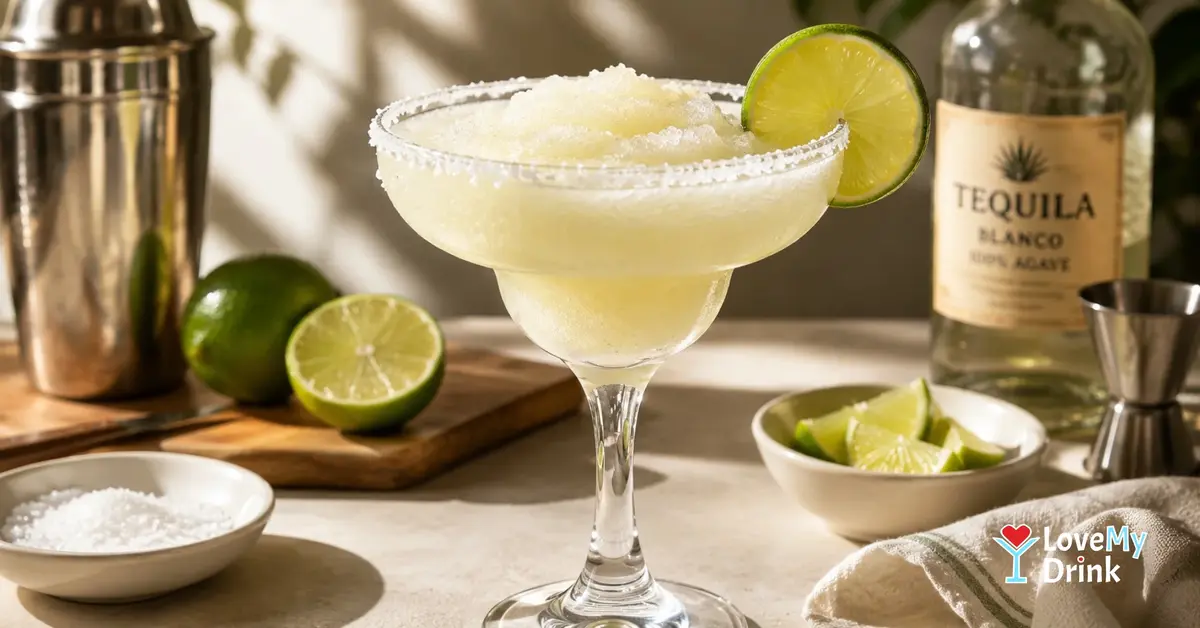
The right texture starts before you blend
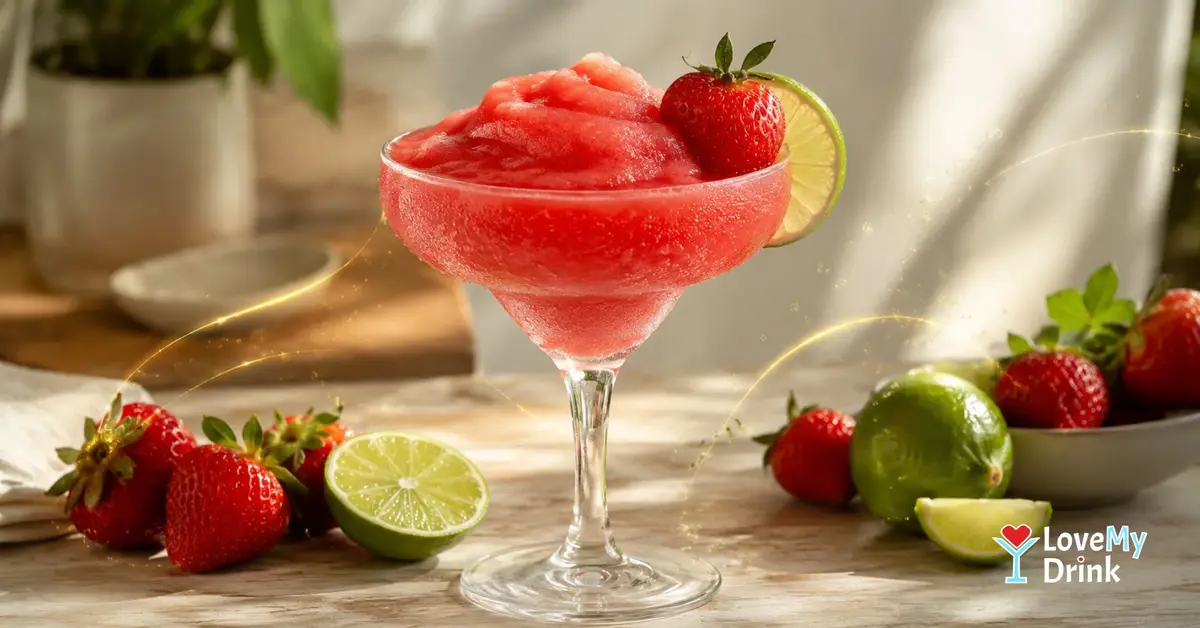
A frozen Margarita uses the same bright base as the classic drink: tequila, fresh lime and orange liqueur. The difference is that ice becomes part of the recipe, not just a way to chill it.
For one generous drink, 180 g of ice is a practical starting point for 105 ml of liquid ingredients. Keep everything cold, avoid overfilling the blender and stop as soon as the mixture looks evenly slushy. That is the simplest route to a frozen Margarita that feels smooth instead of thin or chunky.
Frozen Margarita recipe
Recipe details
- Difficulty: Easy
- Prep time: 5 minutes
- Tools: Blender, jigger or measuring cup, citrus press
- Taste: Fresh, citrusy, lightly sweet and cold
- Calories: Approx. 210 kcal
- Serves: 1 generous frozen Margarita
- Best served: In a chilled Margarita glass, coupe or small rocks glass
Ingredients
- 50 ml / 1.7 oz tequila blanco
- 25 ml / 0.85 oz fresh lime juice
- 20 ml / 0.7 oz orange liqueur, such as Cointreau or triple sec
- 10 ml / 0.35 oz agave syrup or simple syrup
- 180 g ice, roughly 1 1/4–1 1/2 cups depending on cube size
- Salt and a lime wedge, for the rim and garnish, optional
How to make it
- Chill the glass and liquid ingredients before you start. Colder ingredients help the ice melt more slowly.
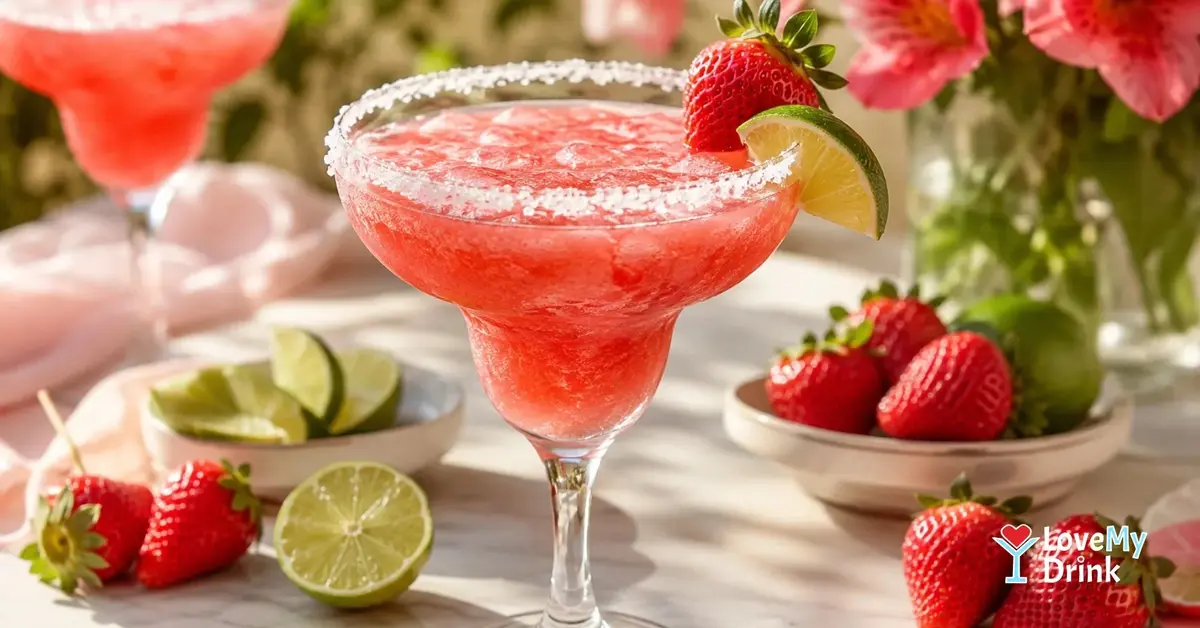
- Run a lime wedge around part or all of the rim, then dip it lightly in salt.
- Add the tequila, lime juice, orange liqueur and syrup to the blender.
- Add the ice, secure the lid and begin with two or three short bursts if your blender allows it.
- Blend only until the drink looks evenly slushy, usually around 15–25 seconds in total. Stop earlier if the texture is already smooth.
- Pour into the chilled glass, garnish with lime and serve immediately.
Quick tip: If the mixture stops moving, switch the blender off before adjusting it. Let the ice settle toward the blades, then restart. Never put a utensil into the blender while it is connected to power.
Prefer the crisp, shaken version? Try our easy Margarita recipe for the same tequila-and-lime character without the frozen texture.
A useful ice-to-liquid ratio
This recipe starts with 180 g of ice for 105 ml of liquid. It gives the blender enough liquid to circulate the ingredients while still creating a thick, cold slush.
- 150 g ice: Softer, looser and quicker to melt.
- 180 g ice: A balanced starting point for a smooth frozen texture.
- 210 g ice: Thicker and colder, but harder for a compact blender to move.
Treat those amounts as adjustments, not universal rules. Large hollow cubes, small dense cubes and crushed ice take up different amounts of space. Blender power and cup shape matter too. Weighing the ice is more reliable than filling a measuring cup.
Why frozen Margaritas turn watery
The ingredients were warm
Room-temperature tequila, liqueur and lime start melting the ice immediately. Chill the bottles and juice first when possible.
There was too much liquid
An extra pour of tequila, juice or syrup can make the drink noticeably looser. Frozen cocktails are less forgiving than shaken drinks, so measure the liquid ingredients before blending.
There was not enough ice
If the flavor tastes balanced but the drink pours like a regular cocktail, add 25–30 g more ice and blend briefly.
The blender ran for too long
More blending does not always mean a smoother drink. The motor creates heat, which slowly melts the ice. Stop once the largest pieces have disappeared and the texture looks even.
The blender cup was overfilled
A crowded cup leaves too little room for the ingredients to circulate. Compact blenders are usually better with one drink at a time. Make larger quantities in separate rounds unless your blender has enough capacity.
The drink waited too long
Frozen cocktails begin changing as soon as they leave the blender. Prepare the glasses first and serve the drink straight away.
How to fix the texture
If it is too watery
Add 25–30 g of ice and blend for a few seconds. Repeat only if needed. A large handful added at once can make the drink grainy or difficult to move.
If it is too thick
Add 10 ml of chilled water and blend briefly. A small splash is usually enough. Avoid adding more tequila because it changes the flavor balance as well as the texture.
If it is still chunky
Switch the blender off and let the ice settle toward the blades. Restart with a few short bursts. Smaller cubes or lightly crushed ice may work better in a compact blender.
If it separates quickly
The mixture may be too warm or too loose. Use colder ingredients, add a little more ice and pour it into a chilled glass. Most importantly, serve it immediately.
What you need for a frozen Margarita
A blender is the one essential tool that separates this recipe from a shaken Margarita. A compact model can be convenient for a single drink because the smaller cup keeps the ingredients close to the blades. For a simple personal setup, see this NutriBullet personal blender.
- Blender: Use a model suitable for frozen blending and follow its instructions for ice, liquid levels and maximum capacity.
- Jigger or measuring cup: Accurate measurements keep the tequila, lime and sweetness balanced.
- Citrus press: Fresh lime gives the drink a brighter, cleaner taste.
- Chilled glass: It helps the frozen texture last a little longer after pouring.
Building your setup slowly? Our home bar essentials guide explains which tools are genuinely useful and which ones can wait.
Can you make frozen Margaritas for a group?
Yes, but do not blend the finished drinks too early. Mix the tequila, lime juice, orange liqueur and syrup in advance, then keep the base covered and chilled. Blend it with ice in smaller rounds just before serving.
For two drinks, double the liquid ingredients and use about 360 g of ice. Only blend that amount if it stays comfortably below your blender’s maximum fill line. With a compact personal cup, one generous serving at a time is usually easier and more consistent.
For a drink that can wait in the refrigerator, use the Margarita in our party cocktails you can make in a pitcher instead. It is easier when several guests need a drink at once.
Easy frozen Margarita variations
Spicy frozen Margarita
Add one thin jalapeño slice to the liquid ingredients before blending, or finish the glass with a chili-salt rim. Start small. The cold texture softens the first impression of heat, but the spice still builds.
Sweeter frozen Margarita
Increase the agave or simple syrup by 5 ml. Very cold drinks can taste slightly less sweet, so a small adjustment is usually enough.
Frozen strawberry Margarita
Replace part of the ice with frozen strawberries for a fruitier, thicker drink. For exact proportions and serving ideas, use our strawberry Margarita recipe.
More Margarita ideas
Once the classic frozen version feels easy, explore our easy Margarita variations for fruity, spicy and sparkling twists.
Frozen Margarita FAQ
Should I use crushed ice or ice cubes?
Both can work. Crushed ice blends faster, while standard cubes may create a colder, firmer texture. Weighing the ice gives you a more consistent starting point than measuring by volume.
Can I make a frozen Margarita without orange liqueur?
Yes. Replace it with 10–15 ml of agave syrup and add a small strip of orange zest or a splash of orange juice. The flavor will be different, but the drink can still feel bright and balanced.
Can I use bottled lime juice?
You can, but fresh lime is the better choice here. Bottled juice can taste flatter or harsher, and there are very few ingredients to hide the difference.
Why is my blender not crushing the ice?
The cup may be too full, the mixture may need more liquid near the blades or the blender may not be designed for that type of ice. Switch it off, check the manufacturer’s instructions and reduce the batch if necessary.
Can I prepare a frozen Margarita ahead of time?
Prepare and chill the liquid base ahead, but add the ice only when you are ready to serve. A fully blended Margarita will melt and separate as it sits.
Make the next round smoother
Keep the ingredients cold, measure the liquid and use 180 g of ice as your starting point. Then watch the texture instead of the clock and stop blending as soon as the drink turns evenly slushy.
Once you find the sweet spot for your own blender, this becomes the kind of summer drink you can make without thinking twice.
Affiliate disclosure: This article contains affiliate links. If you buy through them, Love My Drink may earn a commission at no extra cost to you. As an Amazon Associate I earn from qualifying purchases.