Genever vs Gin: What’s the Difference — and Which Should You Use in Cocktails?
Approx. 6 min read

Genever vs gin: the short answer
Gin and genever both belong to the juniper-spirit family, but they are not the same thing in a different bottle. Most modern gin puts botanicals first. Genever keeps more grain character in the picture, often giving it a rounder, maltier feel.
- Gin: usually brighter, drier and more botanical, with juniper playing a clear role.
- Genever: usually rounder and grainier, with malt, gentle spice and softer botanical notes.
- In cocktails: gin tends to keep a drink crisp and aromatic; genever can make the same structure feel fuller and more savoury.
The easiest way to understand the difference is not to memorise production terms. Taste the two side by side, then put them into the same very simple drink. The change is surprisingly easy to spot.
What is genever?
Genever, also written as jenever, is a traditional juniper-flavoured spirit associated with the Low Countries. Under European geographical rules, the name is tied to the Netherlands, Belgium and certain neighbouring regions.
The important part for your glass is the base. Genever commonly includes malt wine: a flavourful grain distillate that keeps more cereal character than the neutral spirit used for most modern gin. That can bring malty, bready or softly spiced notes, although styles range from light to much richer.
What is gin?
Gin usually starts from a more neutral base, giving the botanicals room to lead. Juniper is the defining note, while citrus peel, coriander, roots, herbs, flowers or spices can shape the rest of the profile.
A London Dry can feel crisp and piney; a contemporary gin may be softer, floral or citrus-led. If you want to taste that botanical-first idea in a simple long drink, our classic Gin and Tonic keeps the focus on gin, tonic, ice and citrus.
What does genever taste like compared with gin?
Put the bottles side by side and the biggest difference is usually where the flavour seems to come from.
- Gin feels botanical-first. Juniper, citrus, herbs and spice tend to arrive before you think about the grain underneath.
- Genever feels grain-first. Malt and cereal notes can give it more body, while juniper and other botanicals sit alongside that base instead of completely defining it.
Texture matters too. A classic dry gin often feels leaner and sharper. Genever can feel softer and broader, especially in richer styles. Neither profile is automatically better. They simply push a cocktail in different directions.
Can you substitute genever for gin?
Yes, but treat it as a deliberate variation rather than an invisible swap. In a simple gin cocktail, genever changes the character enough that you should expect a noticeably different drink.
In a Martini
Gin makes the drink crisp, aromatic and botanical. Genever gives the same spirit-and-vermouth idea more grain character and weight. If you already know your preferred Martini ratio, keep the vermouth and method unchanged so you can judge only the spirit.
Our classic Martini guide uses the same one-change-at-a-time logic when comparing gin and vodka.
In a Gimlet
Fresh lime makes the contrast easy to notice. Gin keeps a Gimlet bright and botanical; genever can make the citrus feel rounder and the whole drink slightly more substantial. Start with the same sweetness rather than changing the syrup at the same time.
You can use our fresh-lime Gimlet recipe as the baseline, then change only the base spirit.
In a Negroni-style drink
Genever can add grain depth underneath the bitter and sweet components, making the drink feel richer and less sharply juniper-led. Keep the other ingredients equal if you want to taste what the base spirit changes.
Love My Drink tip: When comparing spirits, change one thing at a time. Same ratio, same ice, same glass, same garnish. That is how you actually taste the difference instead of comparing two completely different cocktails.
The easiest genever vs gin taste test

You do not need a tasting notebook or a shelf full of bottles. Two small glasses and a bottle of soda water are enough.
Step 1: taste each spirit on its own
Pour a small amount of gin into one glass and genever into the other. Smell first, then take a small sip of each. Look for where the flavour leads: botanicals and juniper, or grain and malt.
Step 2: make two mini highballs
- 30 ml / 1 oz gin
- 30 ml / 1 oz genever
- 60 ml / 2 oz chilled soda water for each glass
- Same amount of ice in both glasses
- Two similar lemon peels, optional
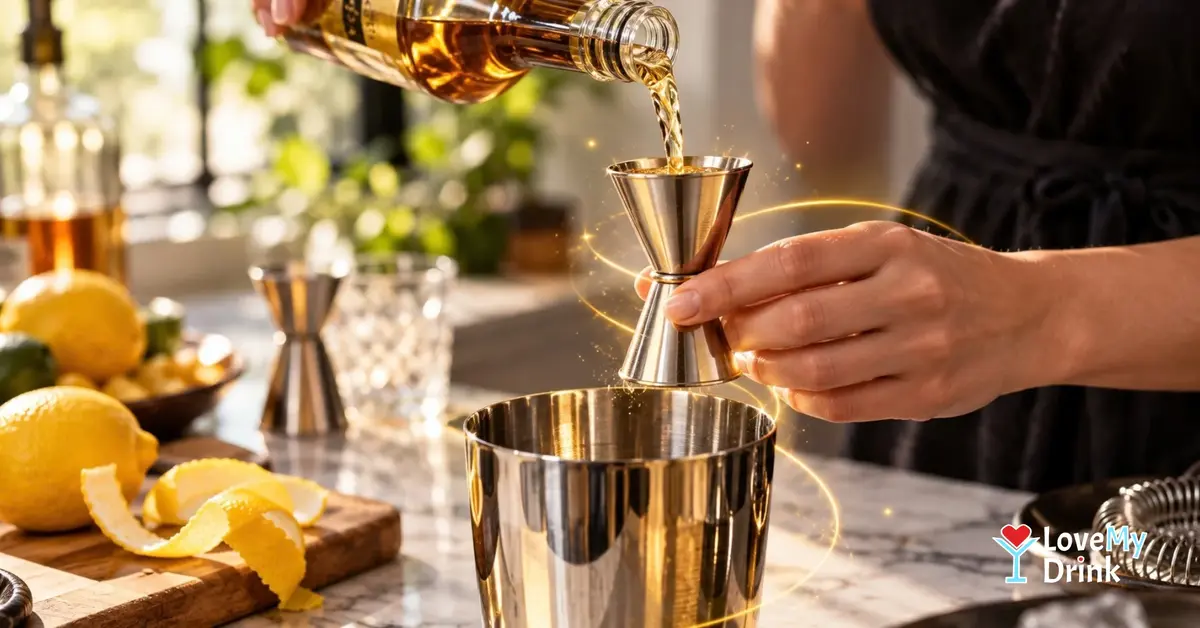
Build each drink the same way: add the spirit over ice, top with soda and stir once. If you use lemon, express an equal-size peel over each glass.
Now compare them again. The soda opens the aroma without adding tonic bitterness, sugar or citrus juice, so the difference between the base spirits stays easy to read.
Which one should you use?
Want crisp and botanical? Choose gin. Want rounder and maltier? Try genever.
- Choose gin when you want juniper, citrus or other botanicals to stay bright and clear.
- Try genever when you want more grain character, body and a slightly deeper savoury edge.
- Try both side by side in a simple Martini or Gimlet when you want to understand the difference for yourself.
If gin is your usual reference point, do not judge genever by how closely it copies it. The interesting part is exactly where it goes in another direction.
Genever vs gin FAQ
Is genever the same as gin?
No. They both use juniper, but their flavour structure is different. Gin is generally botanical-first, while genever often keeps more malt and grain character in the finished spirit.
Is genever the same as jenever?
Yes. Jenever is the Dutch spelling, while genever is a common English-language spelling. Both names refer to the same spirit category.
Does genever taste like whisky?
Not exactly. Some genevers can show malty, grainy or bready notes that may remind you of a light whisky, but genever also has its own juniper-and-botanical character.
Can I use genever in a Martini?
Yes. Keep your usual vermouth ratio and method, then replace only the gin. Expect a rounder, maltier drink rather than the sharper botanical profile of a classic gin Martini.
Are jonge and oude genever about age?
Not in the simple sense the names suggest. They describe regulated styles rather than merely telling you how long the spirit spent ageing. A bottle labelled oude is not automatically older than a bottle labelled jonge.
Same juniper, very different glass
The quickest way to understand gin and genever is to taste them, not memorise them. Try the two-glass test, then make a cocktail you already know with the spirit you know less well. One small swap will make the difference much easier to remember.