Fresh vs Bottled Lime Juice: Does It Matter in Cocktails?
Approx. 12 min read
Fresh vs bottled lime juice: the quick answer
Yes, you can use bottled lime juice in cocktails, especially if it is unsweetened. But whether it tastes as good depends on the drink. Fresh lime usually shines in a Margarita or Daiquiri, where citrus is a star ingredient. In a fruity punch or a ginger-heavy highball, a good bottled juice may be a perfectly sensible shortcut.
- Choose fresh: Margarita, Daiquiri, Mojito and other drinks where lime is a main flavour.
- Consider bottled: big-batch punches, strongly flavoured mixes and those evenings when you have everything except a lime.
- Watch out for cordial: sweetened lime cordial is a different ingredient, not simply bottled fresh juice.
My rule? If a cocktail has only three main flavours, give the lime a little attention. If it is playing a supporting role, do not let a missing fresh lime cancel cocktail night. The trick is knowing which situation you are in.
Why does bottled lime juice taste different, even when it is just as sour?
Think of the smell when you cut into a lime: sharp, green, almost instantly mouth-watering. Now think of a drink that makes your mouth pucker but barely smells of citrus. Both may be sour. Only one gives you that fresh-lime lift. Sourness and lime flavour are not the same thing.
Your nose notices what acidity cannot replace
Lime brings more than acid. It also has delicate aromatic notes, while a fresh wedge or twist of peel can add fragrant oils around the rim. Processing and storage can change those aromas in juice. That is why a bottled version may still taste properly tart but seem less lively in a simple cocktail.
There is no single "bottled lime" taste, either. Brands, processing and storage all matter. Some unsweetened juices taste cleaner than others. The useful question is not simply "fresh or bottled?" but "What does this particular bottle taste like in this particular drink?"
The mistake that makes a flat cocktail even flatter
When a drink tastes sour but a little lifeless, the instinct is to add more lime juice. If the juice itself is short on aroma, that can just make the drink sharper. You might be missing fragrance, not acidity.
A 20-second trick to taste what aroma does
If you have a fresh lime to hand, try this with a cocktail made using bottled juice. Cut a thin strip of green peel from a washed lime, avoiding the white pith. Hold it near the glass and smell the drink, then move it away and smell again. Does the lime suddenly seem brighter before you have even taken a sip? That is your nose doing part of the work. It is a fun way to understand the difference, not a claim that peel can make every bottled juice taste fresh.
Which cocktails really need fresh lime? A quick cheat sheet
Use the lime's job in the recipe as your guide. Here is where I would spend two minutes squeezing and where I would be more relaxed.
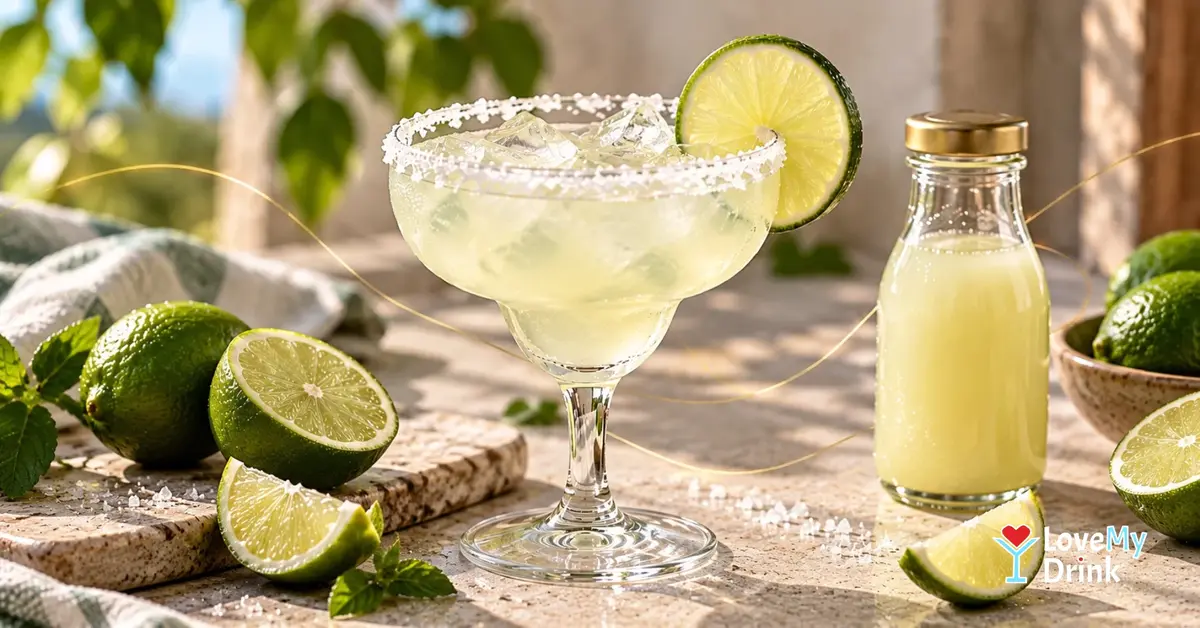
- Margarita — fresh strongly preferred. Tequila, orange liqueur and lime leave little room for a muted citrus note. Compare our Margarita ratios and you will see how much the lime contributes to the balance.
- Classic Daiquiri — fresh strongly preferred. Rum, lime and sugar are a three-person conversation; there is no pineapple or ginger to cover a weak contribution. The classic Daiquiri ratio makes a brilliant example.
- Mojito — fresh strongly preferred. Lime and mint work together through smell as much as taste. Bottled juice can provide acidity, but a simple fresh Mojito shows why the aroma matters.
- Gimlet — it depends on the version. A modern fresh-lime Gimlet is crisp and bright; a cordial-based Gimlet is deliberately sweeter and has a different lime character. Both have a place. Our Gimlet guide explains the difference.
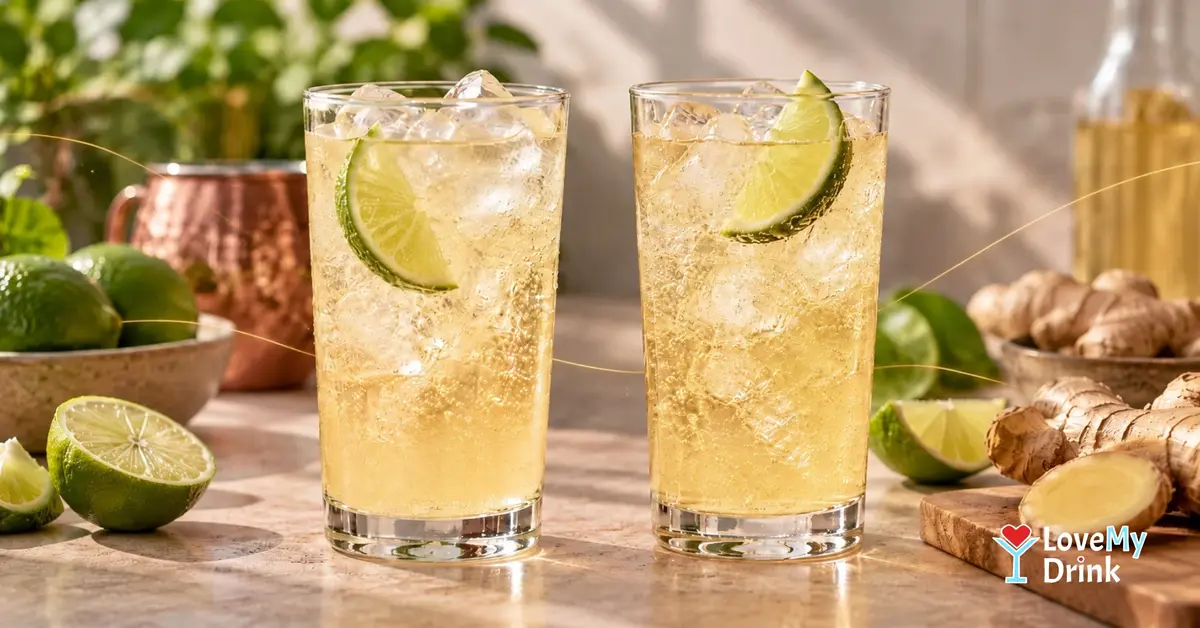
- Moscow Mule — fresh preferred, bottled can work. Ginger beer brings plenty of personality. If your unsweetened bottled juice tastes clean, the finished drink may be quite forgiving.
- Fruity punch and tropical mixes — bottled is often a reasonable option. Strong pineapple, berry or passion-fruit flavours may make the difference less noticeable. Just taste a single serving before making a whole jug.
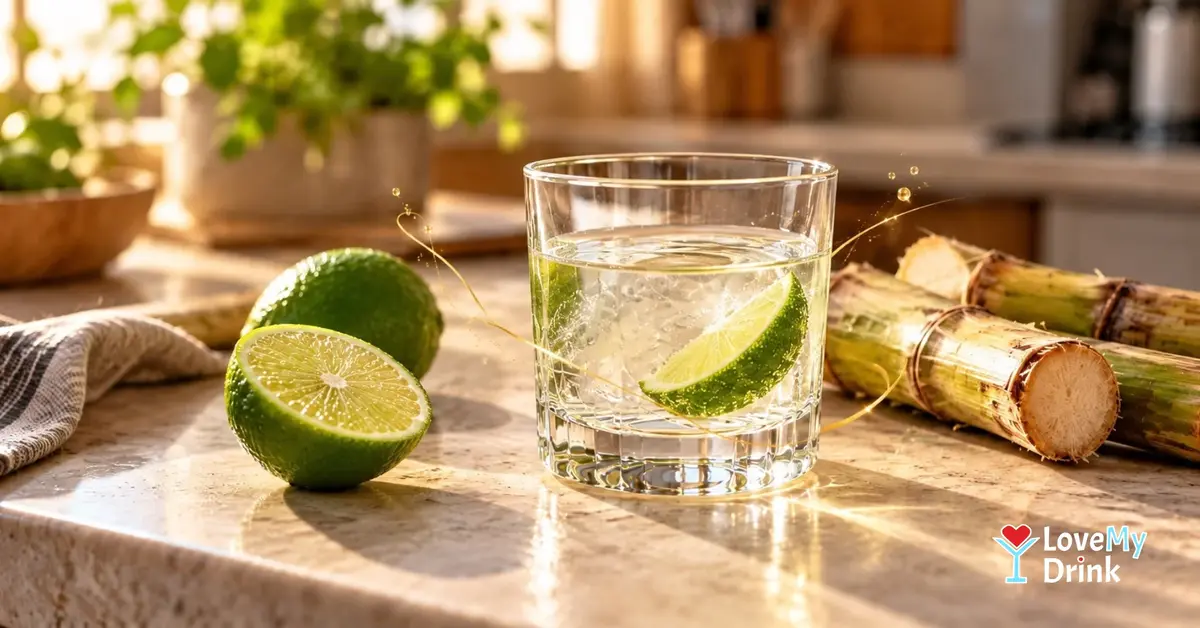
And this is not just about alcohol. A simple lime-and-soda mocktail can expose a flat juice just as quickly as a Daiquiri. It is how much the drink relies on lime, not whether it contains spirits, that makes the difference.
Before you buy: bottled lime juice is not the same as lime cordial
This is the small print that changes the whole drink. Four products can sit near each other and do four different jobs.
- Freshly squeezed lime juice: unsweetened juice from the fruit. Bright, variable and best measured rather than guessed from the size of the lime.
- Unsweetened bottled lime juice: the closest practical substitute. It may be made from concentrate, pasteurised or sold chilled. "100% juice" tells you about the juice content, not whether it tastes freshly squeezed.
- Lime cordial or sweetened lime juice: adds sweetness as well as lime flavour. Useful when a recipe is designed for it, especially a cordial-style Gimlet, but not a straight swap for plain juice.
- Sweet-and-sour or Margarita mix: may already include sugar, citrus flavour and other ingredients. Adding it instead of lime juice can double up the sweet ingredients in your recipe.
The label check: If you want to replace fresh juice, look for an unsweetened lime juice and read the ingredients. If sugar or sweeteners are included, you are changing the cocktail's sweetness as well as its acidity. Follow the bottle's refrigeration and use-after-opening instructions.
Can you substitute bottled lime juice for fresh? Here is how much
For unsweetened bottled lime juice, start with the same volume as fresh. If your Margarita asks for 25 ml (0.85 oz) fresh lime juice, try 25 ml (0.85 oz) bottled. Shake, taste it cold, then adjust in small steps. This is a starting point, not a promise that the two juices have identical acidity or flavour.
What if the recipe says "juice of one lime"? A medium lime is often estimated at about 30 ml (1 oz), but real yields vary; smaller or less juicy limes may give considerably less. That makes 30 ml a shopping estimate, not a reliable cocktail measurement. A jigger or measuring spoon will make the next drink much easier to repeat.
Do not use that 1:1 rule for cordial or a ready-made Margarita mix. Those products bring their own sweetness; choose a recipe written for them, or rebalance the whole drink rather than swapping only the citrus.
One more useful distinction: a bottle labelled "from concentrate" is not automatically unusable. Judge its ingredients and its flavour. The best substitute is the one that makes your particular drink taste good.
A clever third option: freeze fresh lime juice in measured portions
Only make cocktails now and then? Here is a small kitchen shortcut worth testing. When you have extra fresh limes, squeeze and freeze a few measured portions in a clean ice-cube mould: 15 ml (0.5 oz) or 25 ml (0.85 oz) per portion. Transfer the frozen portions to a sealed, labelled freezer bag.
Thaw one in the fridge and taste it before using it in a cocktail. Freezing can change lime aroma and texture, so the result may be less lively than fresh. Think of it as a waste-saving backup for an unplanned drink, not a way to keep fresh juice perfect forever. If you dislike the first thawed cube, do not freeze a whole tray.
Try this: two mini Margaritas, one surprisingly useful taste test

This is the bit I would actually try at home. Two small glasses, the same recipe and just one changed ingredient. In a few minutes, you can discover whether your bottled juice really makes a difference to your Margarita. No special kit required.
For each mini Margarita
- 25 ml blanco tequila (0.85 oz)
- 12.5 ml lime juice (0.4 oz): fresh for glass A, unsweetened bottled for glass B
- 10 ml orange liqueur (0.35 oz)
- Ice for shaking
Make the comparison fair
- Use two identical, chilled glasses. Measure the same ingredients for each drink; change only the lime juice.
- Shake the samples separately with similar ice and timing. Rinse the shaker between them so you do not carry fresh-lime flavour into the bottled sample.
- For the first sip, leave off the salt rim and lime garnish, even if you plan to serve the finished drinks with both. They can hide the difference you are trying to notice.
- Smell each glass before tasting. Then ask three questions: Which has the clearer lime aroma? Which tastes more balanced? Which has the nicer finish?
- If a friend can swap the glasses without telling you which is which, even better. Pick your favourite before the reveal.
Prefer a no-alcohol test? Make two mini limeades instead. For each, mix 15 ml lime juice (0.5 oz), 15 ml simple syrup (0.5 oz) and 60 ml cold water (2 oz). Use fresh juice in one and unsweetened bottled juice in the other, keeping everything else the same.
Maybe the fresh version wins by a mile. Maybe the bottle surprises you. Or maybe you like both and decide to save fresh limes for your favourite three-ingredient drinks. Any of those is a good result. This is a taste test, not an exam in being a proper cocktail person.
The surprising twist: juice squeezed a few hours ago can taste better
Here is a genuine plot twist. In a 2010 blind tasting described by Dave Arnold on Cooking Issues, a panel strongly preferred limeade made with hand-squeezed juice that was about four hours old over limeade made with just-squeezed juice. Arnold himself was surprised. The test compared limeades, not Margaritas, and he said more work was needed to explain the result.
It does not prove that older juice is always better, that four hours is a magic number or that juice should be left unrefrigerated. It is a reminder that flavour is more interesting than the slogan "freshest always wins".
The practical takeaway is much less dramatic: if friends are coming over, you can squeeze limes a few hours ahead instead of juggling fruit and a shaker while everyone is waiting. Keep the juice covered and chilled promptly, and use it the same day for the best cocktail flavour. The tasting is not a reason to leave fresh juice out at room temperature. For bigger gatherings, our make-ahead cocktail guide helps with ice, dilution and bubbles too.
Four easy fixes when your lime cocktail tastes wrong
- Sour but flat? Do not automatically add more juice. A fresh lime wedge or a small piece of peel, if available, can lift the aroma. Next time, try fresher juice rather than making the drink sharper.
- Too tart? In a full-sized sour cocktail, try 5 ml (0.17 oz) simple syrup, then taste again. A small adjustment should soften the edges without turning the drink into dessert.
- Too sweet? Check whether your "lime juice" is actually cordial or a sweet-and-sour mix before changing the recipe. Added sugar may be the problem, not too little lime.
- Strangely bitter or preserved-tasting? Taste the bottled juice on its own. If that character is coming from the bottle, extra sweetener may only hide it. Choose another juice next time.
The most useful habit is to change one thing at a time. Otherwise, you will never know which small adjustment made the drink better.
Fresh vs bottled lime juice: quick FAQ
Can you use bottled lime juice in a Margarita?
Yes. Choose an unsweetened bottled juice, start with the amount your recipe specifies and taste after shaking. Fresh lime is still the better default for a bright classic Margarita because the citrus is so prominent.
How much bottled lime juice equals one fresh lime?
A medium lime may give around 30 ml (1 oz) of juice, but yields vary. For accuracy, match the recipe's measured volume rather than assuming every lime is identical. The same-volume starting point applies only to unsweetened bottled juice, not cordial.
Is bottled lime juice the same as Rose's-style lime cordial?
Not necessarily. Lime cordial, sometimes sold as "sweetened lime juice", includes sweetness and has a distinct flavour. Plain unsweetened bottled lime juice is the closer substitute for freshly squeezed juice. Always check the label.
Can I squeeze lime juice ahead of a party?
Yes. Squeeze it a few hours ahead if that makes hosting easier, then cover and refrigerate it promptly. For the best flavour, use it on the same day where possible. A tasting that favoured older juice is not a food-safety recommendation to leave juice unrefrigerated.
Can you freeze fresh lime juice for cocktails?
Yes, as a backup. Freeze small measured portions promptly, thaw them in the fridge and taste before mixing. It is convenient, but the aroma may not be as lively as freshly squeezed juice.
The lime rule worth keeping
Go fresh when lime is the star. Keep a good unsweetened bottle as a sensible Plan B when stronger flavours are doing more of the work. Choose cordial when you actually want a cordial-style drink.
Then make the two tiny Margaritas. It is more fun than arguing about citrus, and you might discover a shortcut worth keeping. The best cocktail advice should make your next drink better, not make your kitchen feel like a test.