Rhum Agricole vs Regular Rum: Why Does It Taste So Different?
Approx. 7 min read
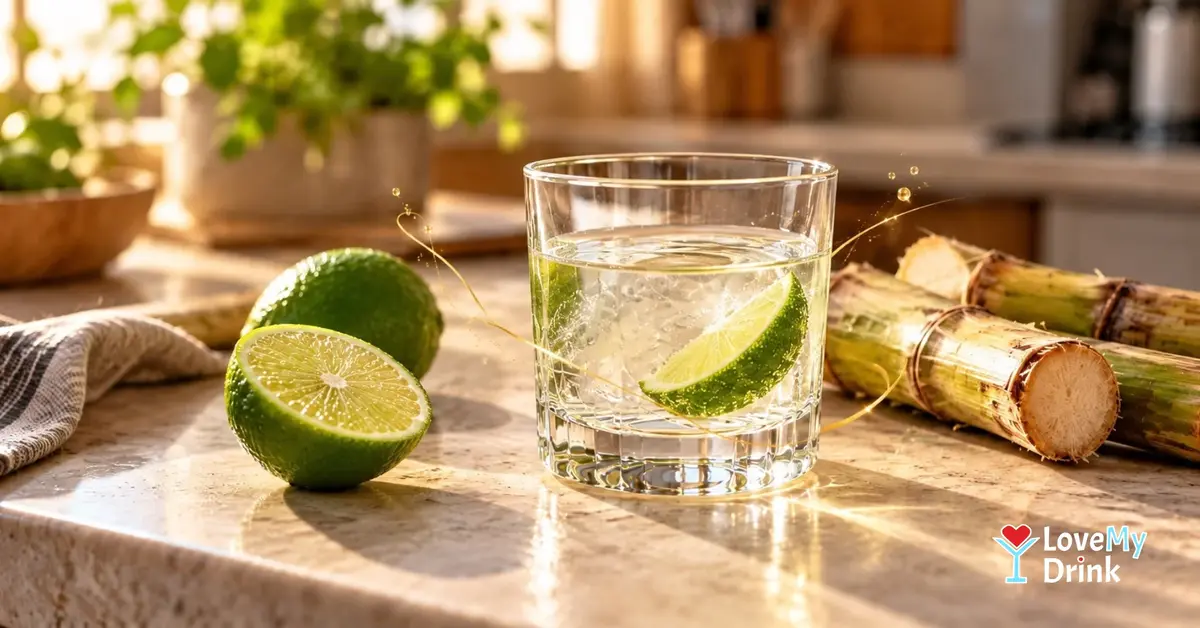
What is rhum agricole?
Rhum agricole is a style of rum made by fermenting and distilling fresh sugarcane juice. Many familiar rums begin with molasses, the thick by-product of sugar production. Both come from sugarcane, but they start with very different ingredients.
Rhum agricole is especially associated with Martinique and Guadeloupe in the French Caribbean. Martinique even has an AOC designation with specific production rules. Not every rum made from sugarcane juice is automatically labelled rhum agricole, and not all agricole bottles taste the same.
The short version: fresh cane juice is a different starting point, and you can often smell that difference before your first sip.
Why does rhum agricole taste so different?
Fresh cane juice brings its own aromatic character into fermentation. Rhum agricole can come across as grassy, herbal, floral, earthy or vividly fruity. Molasses-based rum can lean towards richer, rounder notes, but this is a tendency, not a rule: a white molasses rum may be light and dry, while an aged agricole can develop spice, oak and vanilla.
Fermentation, still type, distillation decisions, ageing and bottling strength also shape the final flavour. So the raw material is the starting point, not the whole story.
Rhum agricole vs molasses-based rum: at a glance
- Base ingredient: fresh sugarcane juice for agricole; molasses for many other rums.
- Typical young-spirit aromas: agricole can be grassy, herbal or floral; a molasses-based white rum may be more neutral, fruity or rounded.
- Sweetness: neither style is automatically sweet. Sweetness in the finished rum depends on how it is made, including any additions.
- Colour: both can be clear or barrel-aged. Colour does not reveal which base ingredient was used.
- Try it: compare two unaged examples at similar strengths, then make a Ti’ Punch with the agricole.

What does rhum agricole actually taste like?
A young white agricole, often labelled blanc, can smell surprisingly green: imagine cut grass, citrus peel, pepper or flowers. Some bottles feel brisk and savoury rather than soft and rounded. Your glass may reveal only one or two of those notes — that is perfectly normal.
An aged agricole — often labelled vieux — can bring oak, warm spice, dried fruit and a gentler texture into the picture. The cane character may still be there, but it shares the stage with the barrel.
One useful warning for first-timers: many agricoles are bottled at a higher strength than a typical 40% ABV rum. A sharper first impression may come partly from alcohol strength rather than flavour alone. Check the ABV on the label and start with a small measure.
Try this simple two-rum tasting at home
You do not need a tasting flight or specialist glassware. The point is to notice the difference, not to guess a list of fancy tasting notes.
- Choose an unaged white rhum agricole and an unaged molasses-based white rum. If possible, pick bottles at a similar ABV for a fairer comparison.
- Pour 10 ml (about 0.3 oz) of each into separate small glasses. Have water nearby.
- Smell the first glass gently, then the second. Look for fresh green or floral notes versus softer or rounder aromas.
- Take a tiny sip of each, with water between tastes. Notice texture, finish and aroma rather than trying to decide which is “better”.
- If either feels too strong, add a few drops of water and compare again. Keep the pours small and skip the tasting if you prefer not to drink alcohol.
The fun part is how personal this can be. Someone else may taste lime zest where you notice herbs. Neither of you needs to be wrong.
Make a simple Ti’ Punch
Ti’ Punch is a classic way to enjoy rhum agricole in Martinique and Guadeloupe. Its short ingredient list lets the rum speak: agricole, a little cane syrup and fresh lime. It is traditionally built in the serving glass, often without ice, and adjusted to taste.
Quick recipe details
- Prep time: 2 minutes
- Difficulty: Easy
- Serves: 1
- Glass: small rocks glass
- Taste: spirit-forward, fresh, citrusy and lightly sweet
- Tools: measuring cup or jigger and a spoon
Ingredients
- 45 ml white rhum agricole (1.5 oz)
- 5 ml cane sugar syrup (about 0.17 oz), or a little less to start
- 1 small lime coin (a thin round slice with peel and a little flesh)
- Optional: one small ice cube, for a colder, slightly softer first try
Method
- Place the lime coin in a small rocks glass and gently squeeze or press it to release a little juice and aromatic oil.
- Add the cane syrup and rhum agricole.
- Stir briefly to combine and taste carefully.
- Adjust with a touch more lime or syrup if needed. Add the optional ice cube if you prefer it chilled and a little diluted.
Luca’s quick tip
Start with less syrup than you think you need. Ti’ Punch is not meant to hide the agricole under sugar and lime. And remember that a higher-ABV bottle makes this a strong drink even in a small glass.
If you love the bright rum-lime combination, our Pandan Daiquiri is a playful next step. It is a different cocktail, but it shows how aromatic ingredients can change a familiar rum-and-lime base.
Which rhum agricole should a beginner choose?
For the clearest picture of fresh cane flavour, start with a bottle labelled blanc or blanc agricole. If you are looking specifically for Martinique rhum agricole, look for the Martinique AOC designation on the label. Compare ABV too: a lower-strength bottling may feel more approachable, while higher-proof bottles can be more intense. There is no need to choose the strongest one.
If you usually prefer barrel-aged rum, an agricole labelled vieux is another direction to explore. It can bring more oak and spice alongside the cane character, rather than the vivid green profile of a young blanc.
The best bottle is one you can taste thoughtfully, not necessarily the rarest or most expensive. A little goes a long way in a Ti’ Punch.
Rhum agricole FAQ
Is rhum agricole a type of rum?
Yes. It is rum made from fresh sugarcane juice, with the term tied to particular production traditions and geographic rules. It is not a separate category of spirit unrelated to rum.
Is rhum agricole sweeter than regular rum?
Not automatically. Fresh cane juice is sweet before fermentation, but that does not mean the finished distilled spirit is sweet. Some agricoles actually taste drier or more savoury than people expect.
Is all rhum agricole from Martinique?
No. Martinique is especially famous for its AOC rhum agricole, but agricole production also has traditions in other French overseas territories and designated regions. Martinique AOC is a specific protected designation, not another name for every agricole.
Can I substitute rhum agricole in a Daiquiri?
Yes, but expect a noticeably different drink. An agricole Daiquiri can taste greener, more aromatic and more assertive than one made with a mild white rum. Start with your usual balance and adjust lime or syrup in small amounts.
What should I mix with rhum agricole?
Lime and a touch of cane syrup make a great first combination. For broader everyday mixer inspiration, explore 15 easy things to mix with rum — then bear in mind that grassy agricole will not behave exactly like every other rum in the list.
Final sip
Your favourite rum can stay right where it is. Rhum agricole simply gives you another way to enjoy sugarcane — bright, green and full of surprises. Try it beside a familiar white rum, then give Ti’ Punch a go. You might discover a whole new favourite pour.