What to Mix With Gin: 15 Easy Mixers Beyond Tonic
Approx. 11 min read
Start with the flavor you want
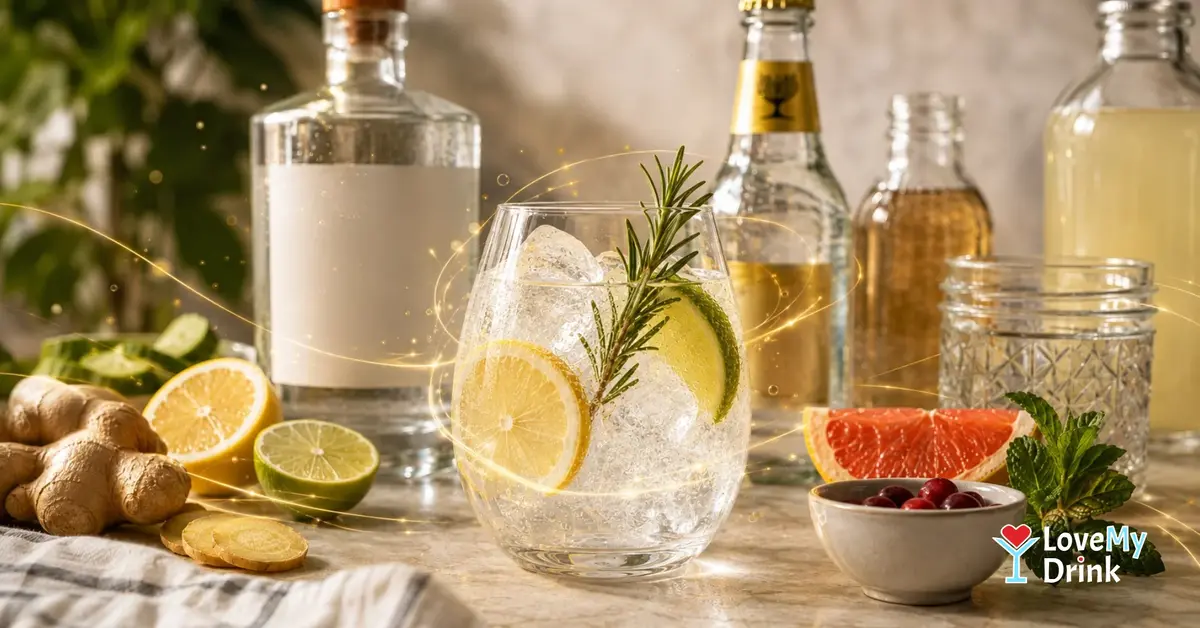
Gin can taste crisp, citrusy, floral, herbal or spicy depending on what you pour with it. The easiest way to choose a mixer is to decide what kind of drink you want before reaching for the bottle.
Choose soda water or grapefruit for something dry and refreshing. Lemonade, ginger ale and apple juice make gin softer. Ginger beer adds spice, while elderflower or chilled Earl Grey tea gives the drink a more aromatic edge.
Choose your mixer by taste
- Crisp and classic: tonic water
- Light and dry: soda water
- Bright and citrusy: lemonade, bitter lemon or grapefruit soda
- Spicy and fizzy: ginger beer
- Soft and easy: ginger ale or apple juice
- Fruity: cranberry, orange, pineapple or grapefruit juice
- Floral: elderflower tonic or elderflower soda
- Unexpected but good: cola or chilled Earl Grey tea
How much mixer should you add to gin?
Start with 50 ml / 1.7 oz gin and 100 ml / 3.4 oz mixer. That gives you a 1:2 ratio, so the gin still has character without tasting too strong.
For a lighter, longer drink, increase the mixer to 150 ml / 5 oz. With sweet juice or soda, begin with the smaller amount, taste, then add more only if the drink needs it.
- Fizzy mixers: 1 part gin to 2–3 parts mixer
- Fruit juice: 1 part gin to about 2 parts juice
- Very sweet mixers: start at 1:2, then add soda water or citrus if needed
- Tart citrus juice: use a smaller pour and balance it with sweetness or bubbles
Most of these drinks can be built directly in the glass. Fill it with ice, add the gin, pour in the mixer and stir gently. Add anything fizzy last so the drink keeps its bubbles.
Tonic is still the classic starting point
Tonic water works because its bitterness, sweetness and bubbles give gin enough structure without hiding its botanical flavor. Start with 50 ml / 1.7 oz gin and 100–150 ml / 3.4–5 oz chilled tonic water over plenty of ice.
For the full ratio, garnish options and the small details that make the drink taste colder and brighter, use our classic Gin and Tonic guide.
15 easy things to mix with gin beyond tonic
These are mixer ideas, not fifteen complicated cocktail recipes. Each one includes a reliable starting ratio and a simple way to adjust the flavor.
1. Soda water
Soda water is the best choice when you want gin to stay dry, crisp and not too sweet. It adds length and bubbles without covering the botanicals.
- Starting ratio: 50 ml gin to 100–150 ml soda water
- Best with: London Dry, citrus-forward or herbal gin
- Add: 10–15 ml fresh lime or lemon juice
For a complete drink with lemon and a little sweetness, try our Tom Collins recipe.
For a shorter shaken drink using gin, fresh lemon, a little sweetness and soda, try our classic Gin Fizz recipe. It also shows how to make the drink foamier if you want more texture.
2. Lemonade
Lemonade makes gin bright, easy and instantly more relaxed. It is a good option when tonic feels too bitter or you want a softer summer drink.
- Starting ratio: 50 ml gin to 100–150 ml lemonade
- Best with: classic dry or citrus-forward gin
- Add: lemon wheel, mint or a splash of soda water
If the lemonade is very sweet, replace part of it with soda water so the gin does not disappear.
3. Bitter lemon
Bitter lemon sits between tonic and lemonade. It is citrusy, fizzy and lightly bitter, making it an easy choice when you like a Gin and Tonic but want more lemon flavor.
- Starting ratio: 50 ml gin to 100–150 ml bitter lemon
- Best with: London Dry or juniper-forward gin
- Add: lemon peel rather than extra juice
Taste before adding citrus. Bitter lemon already brings acidity, sweetness and bitterness to the glass.
4. Ginger beer
Ginger beer gives gin a spicy, lively edge. It makes a simple mixed drink feel more complete, especially with fresh lime.
- Starting ratio: 50 ml gin to 100–120 ml ginger beer
- Best with: London Dry, citrus or spice-led gin
- Add: 10–15 ml fresh lime juice
Use a drier, hotter ginger beer for more bite. A softer ginger beer makes the drink sweeter and easier.
5. Ginger ale
Ginger ale is gentler and sweeter than ginger beer. It adds soft spice and bubbles without taking over the drink, which makes it very beginner-friendly.
- Starting ratio: 50 ml gin to 120–150 ml ginger ale
- Best with: dry, citrus or lightly floral gin
- Add: lemon wedge or thin apple slice
If it tastes too sweet, add lemon or replace some of the ginger ale with soda water.
6. Grapefruit juice
Grapefruit juice brings tartness, gentle bitterness and a fresher fruit flavor. It is a strong choice when you want something fruity without making the drink sugary.
- Starting ratio: 50 ml gin to 90–120 ml grapefruit juice
- Best with: London Dry or citrus-forward gin
- Add: 30–60 ml soda water for a lighter finish
Pink grapefruit is softer and fruitier. White grapefruit is sharper and may need a small amount of simple syrup.
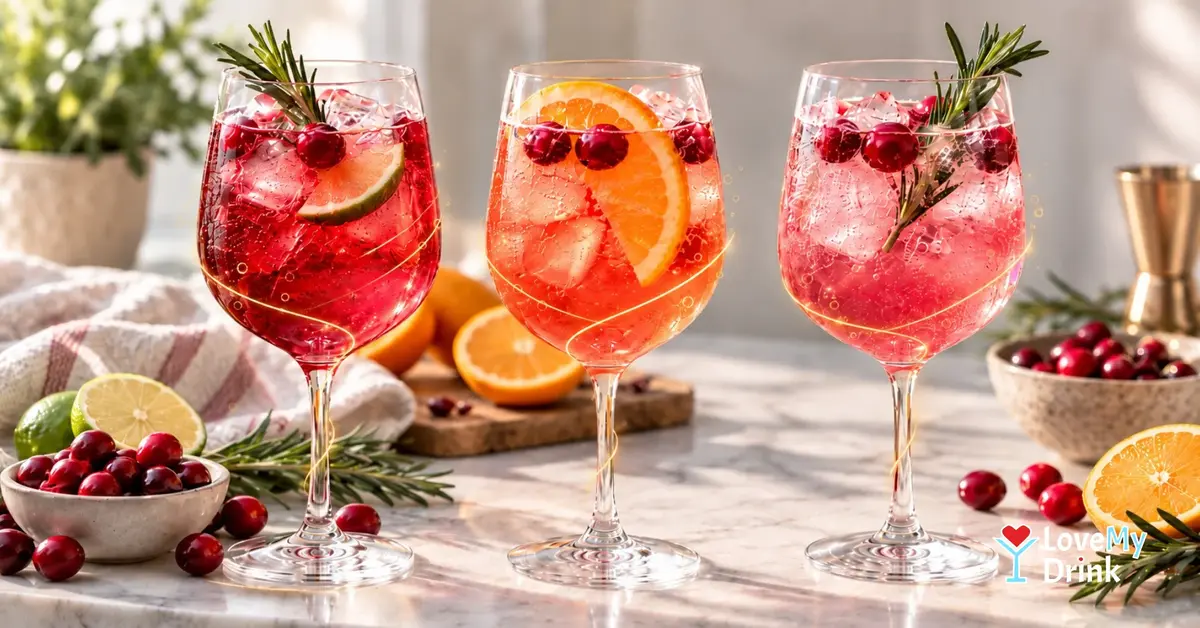
7. Cranberry juice
Cranberry juice gives gin color, tart fruit and an easy party-drink feeling. Fresh lime keeps the combination lively and stops it tasting like plain juice.
- Starting ratio: 50 ml gin to 100–120 ml cranberry juice
- Best with: citrus or classic dry gin
- Add: 10 ml fresh lime juice
Unsweetened cranberry juice is much sharper than cranberry juice cocktail. Use less of it, add soda water and sweeten only if needed.
8. Orange juice
Orange juice makes gin soft, sunny and easy to drink. It works best when the juice tastes fresh and the gin has clear citrus notes of its own.
- Starting ratio: 50 ml gin to 100–120 ml orange juice
- Best with: citrus-forward or gently floral gin
- Add: a squeeze of lemon to sharpen the finish
Orange juice can be quite sweet, so plenty of ice and a little lemon help the drink feel brighter.
9. Pineapple juice
Pineapple juice gives gin a tropical turn very quickly. Its sweetness and acidity work well with botanical flavors, especially when lime is added for balance.
- Starting ratio: 50 ml gin to 100–120 ml pineapple juice
- Best with: citrus or floral gin
- Add: 10–15 ml lime juice or a splash of soda water
Start with less pineapple juice than you think. Its strong flavor can hide a delicate gin.
10. Apple juice
Apple juice gives gin a softer, rounder flavor. It is especially good with bottles that lean herbal, spicy or citrusy.
- Starting ratio: 50 ml gin to 100–120 ml apple juice
- Best with: herbal, spiced or classic dry gin
- Add: lemon juice, soda water or a thin apple slice
Cloudy apple juice feels richer. Clear apple juice keeps the drink lighter. Both benefit from fresh lemon.
For complete drinks rather than simple mixer formulas, our guide to simple gin cocktails for beginners gives you seven approachable recipes with citrus, soda, cucumber, mint and elderflower.
11. Grapefruit soda
Grapefruit soda is one of the fastest ways to make gin taste bright, fizzy and slightly bittersweet. It does most of the work, so the drink needs little more than ice and citrus.
- Starting ratio: 50 ml gin to 120–150 ml grapefruit soda
- Best with: London Dry or citrus-forward gin
- Add: lime wedge or grapefruit slice
Because grapefruit sodas vary in sweetness, start with 120 ml and taste before topping up the glass.
12. Elderflower tonic or elderflower soda
Elderflower makes gin feel softer, floral and a little more elegant. It is an easy choice for brunch, garden drinks or a quiet evening that deserves a prettier glass.
- Starting ratio: 50 ml gin to 120–150 ml elderflower tonic or soda
- Best with: floral, cucumber or citrus-led gin
- Add: cucumber ribbon or lemon slice
Elderflower tonic keeps some bitterness. Elderflower soda is usually sweeter and softer.
13. Lemon-lime soda
Lemon-lime soda makes a sweet, fizzy gin drink in less than a minute. It is not the driest option, but it works when you want something casual and familiar.
- Starting ratio: 50 ml gin to 120–150 ml lemon-lime soda
- Best with: London Dry or citrus-forward gin
- Add: fresh lime and plenty of ice
For a lighter version, use half lemon-lime soda and half soda water.
14. Cola
Gin and cola is less obvious than rum and cola, but it can work. Cola brings spice, caramel and citrus, while a dry gin adds juniper and herbs in the background.
- Starting ratio: 50 ml gin to 120–150 ml cola
- Best with: classic London Dry or barrel-aged gin
- Add: lemon wedge rather than lime
Keep the gin straightforward. Very delicate floral bottles can disappear under cola.
15. Chilled Earl Grey tea
Cold Earl Grey tea makes gin aromatic without adding another sweet mixer. Its bergamot note works naturally with citrus and many botanical gins.
- Starting ratio: 50 ml gin to 100–120 ml chilled Earl Grey tea
- Best with: citrus, floral or classic dry gin
- Add: 10–15 ml lemon juice and optional simple syrup
Brew the tea slightly stronger than usual, then chill it fully before building the drink over ice.
How to make any gin and mixer taste better
- Use plenty of ice. A full glass stays colder and usually becomes watery more slowly than a glass with only a few cubes.
- Chill fizzy mixers first. Cold tonic, soda and ginger beer keep more of their lift in the glass.
- Add bubbles last. Pour carbonated mixers gently and stir only once or twice.
- Use citrus as a correction. Lemon or lime can make a sweet or flat drink taste brighter.
- Start with less mixer. Taste first, then add more if you want a lighter drink.
- Protect delicate gin. Floral bottles can disappear under cola, pineapple juice or very sweet soda. Use a lighter mixer when the gin is subtle.
Most of these combinations are made straight in the glass. For more low-effort ideas and the right method for fizzy ingredients, see our guide to cocktails you can make without a shaker.
How to fix a gin mixer that tastes wrong
- Too strong: add more mixer, fresh ice or soda water.
- Too sweet: add lemon, lime or unsweetened soda water.
- Too bitter: use less tonic or grapefruit and add a softer mixer.
- Too flat: add fresh citrus or colder bubbles.
- Too watery: use colder ingredients, more ice and a smaller initial pour of mixer next time.
Do not try to fix every problem with more gin. Balance usually comes from temperature, citrus and the amount of mixer in the glass.
What you need for easy gin drinks
You do not need a shaker for most gin-and-mixer combinations. A tall glass, plenty of ice, something to measure with and one fresh garnish are usually enough.
- Gin
- One or two chilled mixers
- Fresh ice
- Lemon, lime, cucumber or another simple garnish
- Jigger or small measuring cup
- Bar spoon or regular spoon
If you are building a small setup from the beginning, our home bar essentials guide explains what is useful and what you can skip.
FAQ about mixing gin
What can I mix with gin besides tonic?
Soda water, lemonade, ginger beer, ginger ale, grapefruit soda, elderflower soda and fruit juices all work well with gin. Start with a flavor you already enjoy, then add citrus if the drink needs more freshness.
What juice goes best with gin?
Grapefruit, cranberry, orange and pineapple juice are easy choices. Grapefruit is crisp and slightly bitter, cranberry is tart, orange is softer and pineapple is sweeter and more tropical.
What soda mixes well with gin?
Soda water, grapefruit soda, lemon-lime soda, ginger ale and elderflower soda all mix well with gin. Soda water is the driest option, while ginger ale and lemon-lime soda make a sweeter drink.
What is the best gin-to-mixer ratio?
Start with 1 part gin to 2 parts mixer. For a lighter drink, use 1 part gin to 3 parts mixer. With sweet juice or soda, begin with less and add more only after tasting.
Can I mix gin and juice without a shaker?
Yes. Fill a glass with ice, add gin and juice, then stir until cold. A shaker can help with some citrus-heavy recipes, but it is not required for a simple gin and juice drink.
Final sip
Tonic may be the classic, but it is only one direction gin can take. Choose soda for something crisp, juice for fruit, ginger for spice or elderflower for a softer, more floral drink.
Pick one mixer, fill the glass with ice and taste before changing anything. A good gin drink does not need a complicated recipe. It just needs the right pour for the mood you are in.