How to Set Up a Mocktail Bar Everyone Will Actually Use
Approx. 9 min read
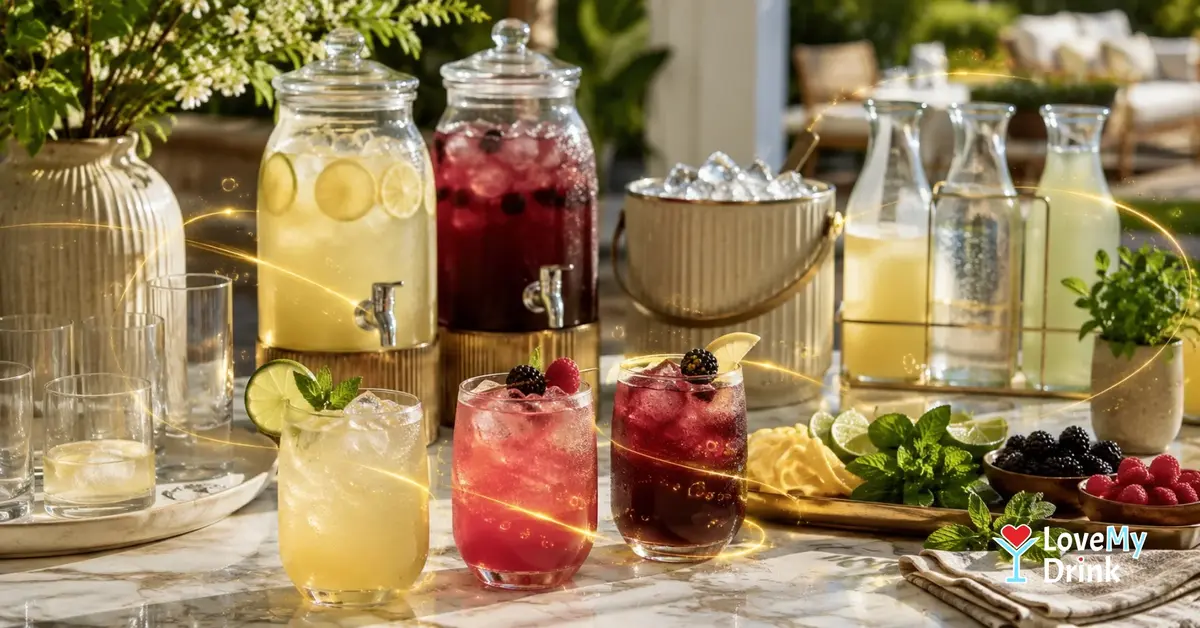
Use the 2-2-3 mocktail bar setup
The easiest self-serve mocktail bar starts with one simple rule: 2 flavor bases, 2 fizzy toppers and 3 garnishes.
That gives guests enough choice to make the station feel fun without covering the table in half-used bottles. It is easier to shop for, easier to keep cold and much easier to understand at a glance.

Choose 2 flavor bases
Pick one familiar option and one with a little more character. Chilled lemonade and cranberry or mixed berry juice make an easy starting pair because the flavors are recognizable and work with both sparkling water and ginger beer.
- Base 1: chilled lemonade or another bright citrus base
- Base 2: cranberry or berry juice with enough tartness to stay refreshing
You can change the pair with the season. Pineapple juice, peach iced tea, watermelon juice or a cucumber-lime base can all work. Keep the number of bases small even when you change the flavors.
Add 2 fizzy toppers
Use one neutral topper and one with more flavor. That gives guests two very different finishes without adding another row of mixers.
- Sparkling water: makes the drink lighter, drier and more refreshing
- Non-alcoholic ginger beer: adds sweetness, spice and a stronger cocktail-style finish
Keep both well chilled and open them in smaller batches. Fresh bubbles make even a very simple alcohol-free drink feel more finished.
Finish with 3 garnishes
Choose garnishes that work across all three drinks instead of giving every recipe its own decoration.
- Lime wheels or wedges
- Fresh mint
- Fresh berries
Three is enough. The station should look fresh and generous, not like a produce display nobody knows how to use.
Set the mocktail bar up in this order

A self-serve station works best when the table follows the same order as the drink. Guests should be able to move from one end to the other without doubling back or asking where something is.
- Recipe cards. Put the three drink builds first so guests can choose before they start pouring.
- Glasses. One main glass style keeps the station simple. Highballs or everyday tumblers work well.
- Ice. Keep clean serving ice covered and place a scoop beside it.
- Flavor bases. Use clearly labelled bottles, carafes or dispensers.
- Fizzy toppers. Place sparkling water and ginger beer after the bases so guests naturally add bubbles last.
- Garnishes. Finish the line with lime, mint and berries.
Add napkins and a small waste bowl or bin nearby. It is a tiny detail, but it stops wet lime wedges, empty bottles and drips from taking over the pretty part of the bar.
Give guests 3 drink cards they can follow without guessing
Recipe cards are what turn a table of ingredients into a mocktail bar. Keep every build short enough to understand while someone is standing there with a glass in one hand.
Citrus Ginger Fizz
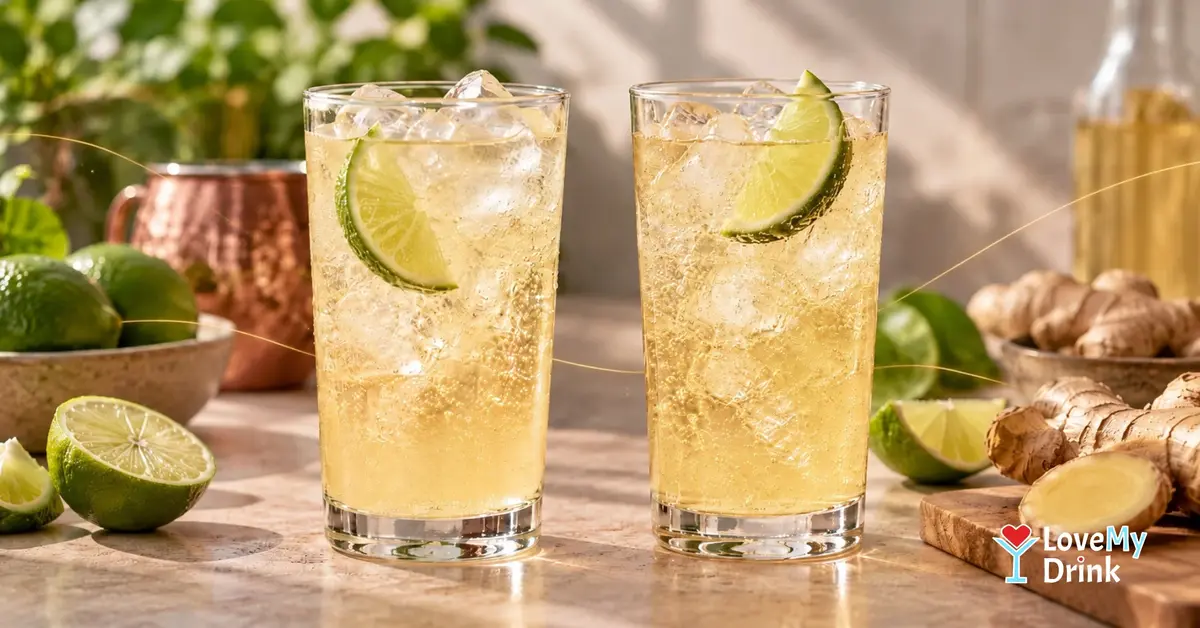
Fill a glass with ice. Add 90 ml / 3 oz lemonade, then top with 90 ml / 3 oz non-alcoholic ginger beer. Garnish with lime.
Bright, fizzy and lightly spicy, this is the easiest option for anyone who wants something familiar but more interesting than soda.
Berry Lime Spritz
Fill a glass with ice. Add 90 ml / 3 oz cranberry or berry juice, then top with 90 ml / 3 oz sparkling water. Squeeze in a lime wedge and finish with mint.
This is the lighter option: fruity, tart and refreshing without becoming overly sweet.
Berry Ginger Cooler
Fill a glass with ice. Add 60 ml / 2 oz berry juice, 30 ml / 1 oz lemonade and 90 ml / 3 oz non-alcoholic ginger beer. Finish with berries or lime.
The ginger beer gives this one the strongest cocktail-style character while the small amount of lemonade keeps the berry flavor bright.
What you actually need on the table
The best mocktail-bar tools solve practical problems: keeping drinks covered, keeping ice cold and stopping garnishes from becoming messy. You do not need a full bartender setup.
- A clear beverage dispenser or lidded carafe or pitcher — useful for keeping a prepared base visible, covered and easy to pour. Check the capacity before ordering so it matches the amount you plan to serve.
- An insulated ice bucket with scoop — keeps clean serving ice close to the drinks instead of leaving guests to reach into a melting bag.
- A divided garnish tray with lids — keeps lime, berries and herbs separate and makes the station much easier to refill and tidy.
Buy the tool that solves the biggest problem in your setup. If you already have a good pitcher, an ice bucket may be far more useful than buying another container just because it looks nice.
How much should you prepare for 10 or 20 guests?
For a typical four-hour party, Love My Drink uses about 4 planned drink servings per guest as a practical starting point. Use fewer for a short or meal-focused gathering and more for a longer, livelier event.
If this mocktail bar is the main drinks station apart from water, each of the three builds above uses about 180 ml / 6 oz per serving: roughly 90 ml of base and 90 ml of fizzy topper.
For 10 guests
A typical four-hour plan gives you about 40 servings, or roughly 7.2 litres / 244 oz of finished mocktails.
- About 3.6 litres / 122 oz total flavor bases
- About 3.6 litres / 122 oz total fizzy toppers
If all three recipe cards are roughly equally popular, a useful starting mix is about 1.6 litres lemonade, 2 litres berry juice, 2.4 litres non-alcoholic ginger beer and 1.2 litres sparkling water. Round up to convenient package sizes rather than trying to buy the exact millilitre.
For 20 guests
Double the typical plan to about 80 servings, or roughly 14.4 litres / 487 oz of finished mocktails.
- About 7.2 litres / 244 oz total flavor bases
- About 7.2 litres / 244 oz total fizzy toppers
Using the same rough drink split, start around 3.2 litres lemonade, 4 litres berry juice, 4.8 litres non-alcoholic ginger beer and 2.4 litres sparkling water. Keep part of the supply chilled and unopened until the station needs a refill.
These are planning estimates, not a rule about how much anyone should drink. If cocktails, wine, beer or other soft drinks are also available, reduce the mocktail quantities to match the guests who are likely to use the station.
For a complete calculation across different party lengths and drink types, use our party drinks guide for 10, 20, 30 or 50 guests.
Ice needs its own plan. Our party ice guide explains how much to buy and why serving ice should stay separate from ice used for chilling bottles and cans.
Prep ahead without killing the bubbles
Most of the station can be ready before anyone arrives. The trick is preparing the stable parts early and saving ice, bubbles and delicate garnishes for later.
- Chill the bases early. Cold juice means less melting and a fresher first drink.
- Prep sturdy garnishes ahead. Slice limes, wash berries and keep them covered in the refrigerator.
- Keep mint fresh. Wash and dry it gently, then add it to the bar close to serving time.
- Write the recipe cards before the party. A self-serve bar stops being self-serve if you have to explain every drink.
- Keep fizzy toppers sealed. Open sparkling water and ginger beer only as the station needs them.
- Keep ice out of the bases. Add fresh ice to each glass instead of slowly watering down a whole dispenser or pitcher.
Want more alcohol-free options for a warm-weather gathering? These non-alcoholic summer party drinks give you more fruity, fizzy and pitcher-friendly ideas.
For drinks with a slightly more grown-up cocktail feel, try these mocktails that actually taste like cocktails.
Mocktail bar mistakes that make guests ignore it
- Too many ingredients. A dozen bottles may look generous, but they make guests work too hard for one drink.
- No recipe cards. If people have to ask what goes together, the station is not really self-serve.
- Everything is sweet. Sparkling water, citrus and tart fruit give guests a lighter option.
- Warm mixers. Cold ingredients matter more than complicated decorations.
- Bubbles added too early. Keep sparkling ingredients separate until the drink is being built.
- Too many garnishes. Three useful finishes are better than a large tray of decorative extras nobody touches.
- No obvious ice setup. Give guests a clean scoop and covered serving ice instead of asking them to improvise.
- Confusing labels. Simple names such as Lemonade, Berry, Sparkling Water and Ginger Beer are easier to understand from a step away.
Mocktail bar FAQ
What should you put on a mocktail bar?
Start with two flavor bases, two fizzy toppers, three simple garnishes, plenty of clean serving ice, glasses and three recipe cards. That is enough choice for a useful self-serve station without making it confusing.
How many mocktails should you offer at a party?
Three clear drink builds are usually enough for a self-serve mocktail bar. Let them share the same ingredients so guests get variety without giving you three completely separate shopping lists.
Do you need non-alcoholic spirits for a mocktail bar?
No. Juice, lemonade, citrus, sparkling water, non-alcoholic ginger beer, herbs and fruit can make a balanced mocktail station without specialist zero-proof spirits. Add one only if you already enjoy it and it fits the drinks you want to serve.
Can you set up a mocktail bar the night before?
You can chill the bases, prepare recipe cards, wash fruit and slice sturdy citrus the day before. Keep fizzy drinks sealed, ice frozen and delicate herbs separate until close to serving.
How do you keep a mocktail bar cold?
Chill every base and mixer before the party, keep reserve bottles in the refrigerator or a cooler and refill the station in smaller batches. Use an insulated bucket for clean serving ice instead of putting every bag out at once.
Final sip
A mocktail bar does not need more choice. It needs clearer choice.
Start with two bases, two bubbly toppers and three garnishes. Add three easy recipe cards, keep everything properly cold and let guests make something that feels fun without turning you into the bartender all night.
Disclosure: This article contains affiliate links. If you buy through one of these links, Love My Drink may earn a commission at no extra cost to you. As an Amazon Associate, we earn from qualifying purchases.